


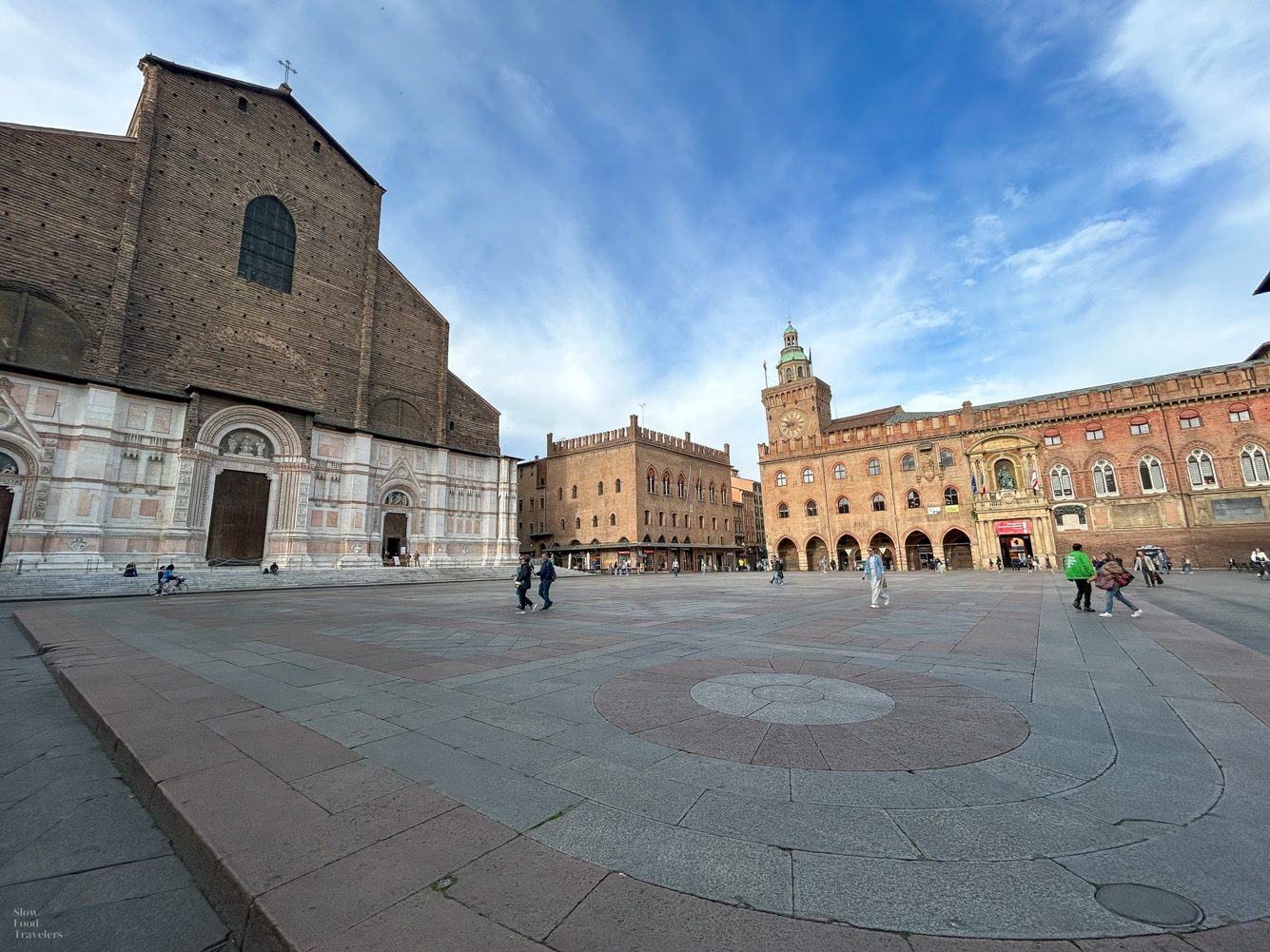
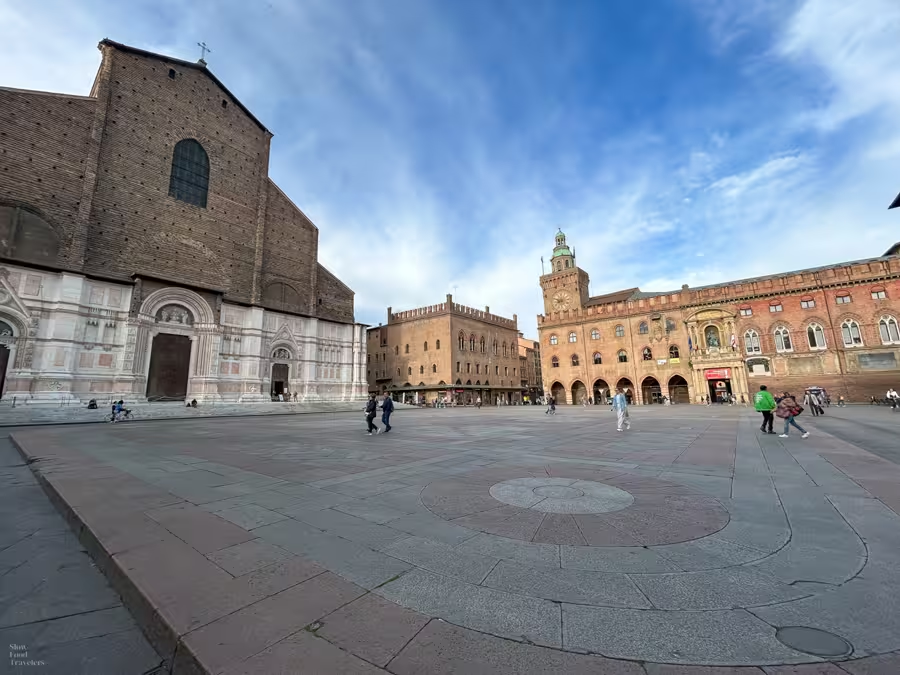
Bologna is the capital and largest city of Emilia-Romagna, the region known as Italy's breadbasket. With a population of 400,000 (including 80,000 university students), it's a vibrant, youthful city despite its ancient roots. The city is known by three evocative nicknames: la dotta (the learned one, home to the world's oldest university founded in 1088), la rossa (the red one, for both its terracotta buildings and historical leftist politics), and la grassa (the fat one, for its legendary food culture).
Bologna's identity is deeply, irrevocably tied to food. This is where mortadella, tortellini, and tagliatelle al ragù were born, and the city guards these traditions fiercely. The Quadrilatero, Bologna's ancient food market district, still buzzes with vendors selling fresh pasta, aged Parmigiano-Reggiano, and cuts of meat that would make any butcher jealous. The city's UNESCO-listed porticoes (over 38 kilometers of covered walkways) make strolling through Bologna magical in any weather, connecting you from one culinary discovery to the next. Centrally located with fast train connections to Florence, Venice, Milan, and nearby food cities like Modena and Parma, Bologna serves as an ideal base for exploring northern Italy.
Come to Bologna to understand why it's called la grassa. This is not a place for diet consciousness; this is a place to surrender to the pleasures of properly made pasta, and to understand that ragù Bolognese bears no resemblance to what the rest of the world calls Bolognese sauce. Explore the Quadrilatero's twisting lanes where the same families have been selling tortellini for generations. Climb the medieval towers for sweeping views. Linger in the piazzas watching students debate over espresso. Bologna rewards those who stay beyond the quick lunch stop most tourists make between Venice and Florence. Give it the time it deserves.
Gourmet Food Experience
Experience the culinary traditions of the region with visits to a Parmigiano Reggiano dairy farm, a prosciutto producer, and a traditional balsamic vinegar acetaia.

.svg)
Pasta Cooking Class
Learn the art of handmade Italian pasta from local experts and discover the authentic flavors of Bologna’s celebrated cuisine.
Gelato Crawl Tour
Taste your way through Bologna’s best gelaterias while learning about the craftsmanship behind Italy’s most iconic frozen dessert.
Bologna Food Tour
Explore Bologna’s rich culinary culture through traditional markets, hidden local spots, and regional specialties loved by locals.

Best Airport
Bologna (BLQ)
Looking for Airfare?
→ Compare Airlines and Flight Prices.
Estimated Time (Airport → City)
BLQ → Bologna: ~20–35 min (car/taxi) / ~20–35 min (airport transfer)
BLQ → Bologna Centrale via Marconi Express ~7–8 minutes (direct monorail)
Looking to rent a car?
→ Compare rates and reserve one here.
Main Train Station
Bologna Centrale
Train Schedules & Fares
→ Compare prices and secure tickets here.
Need transportation to/from the airport or train station?
→ Schedule a Private Transfer.
Quick Tip
Bologna Centrale is one of Italy’s best rail hubs for fast city-to-city travel.

Jump to:
Centro Storico
We have stayed in different areas of Bologna and loved them all. If you are short on time and enjoy the convenience of being close to all of the main attractions, we recommend staying somewhere in the city center (centro storico). Based on these property locations, here are some of our recommendations that you can't go wrong with: Art Hotel Commercianti, Art Hotel Orologio, or the 4-star Hotel Corona d'Oro. If you're looking for a 5-star hotel, be sure to check out the Grand Hotel Majestic gia' Baglioni.

All’Osteria Bottega
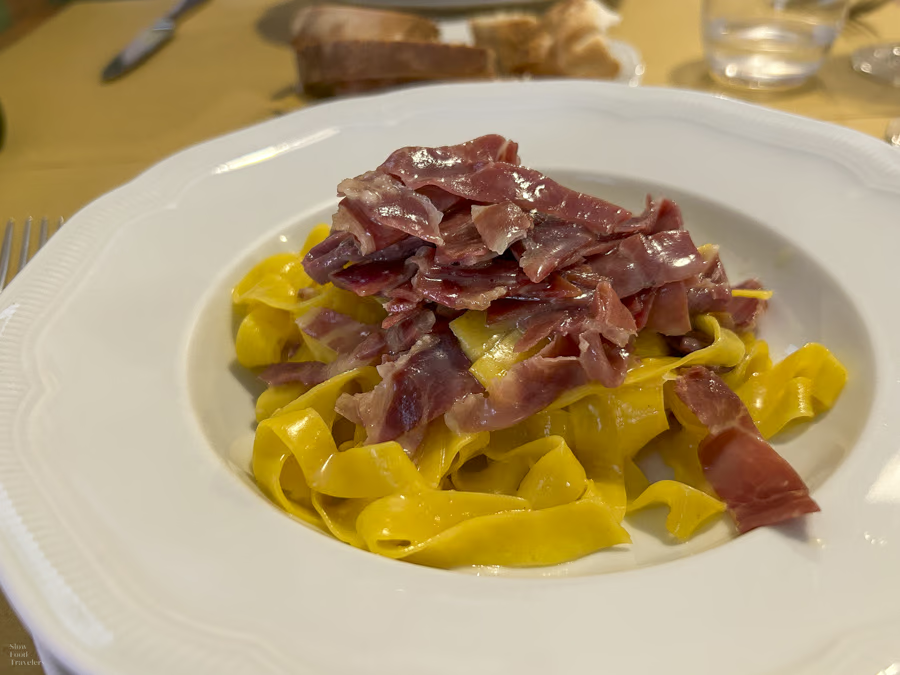
This gem of a restaurant could not be better, even if it tried. The quality of the food is unmatched - the salumi, the pasta, the desserts, oh my! The lively and welcoming atmosphere, the great service paired with incredible food, made this one of our favorite restaurants ever. We dined here 3 times in one week so we could try as many dishes as we could - and they were all great (and consistent)! Make sure you call ahead to make a reservation because they book up quickly.


Antica Osteria Le Mura
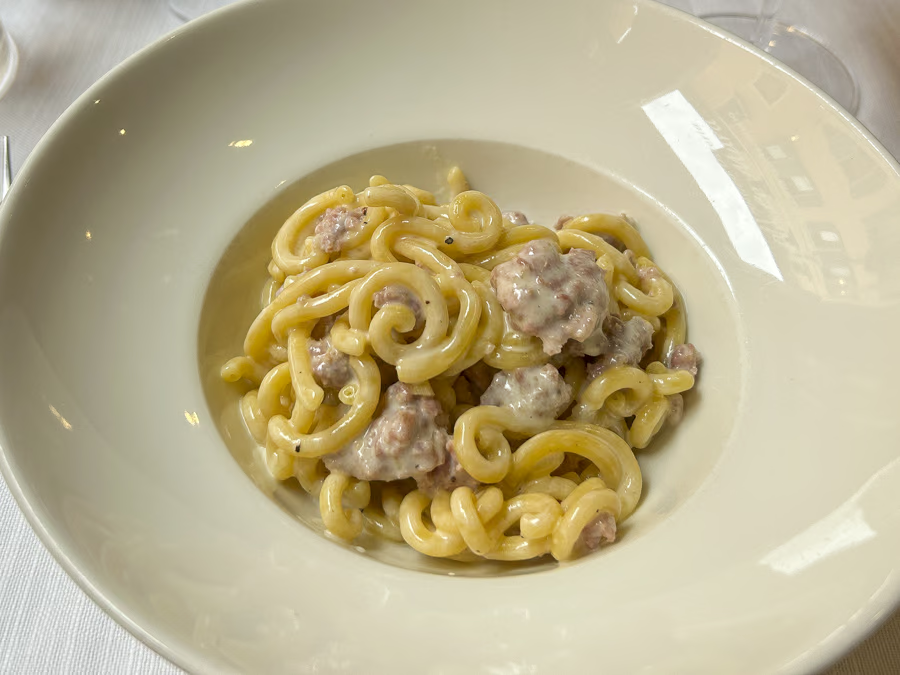
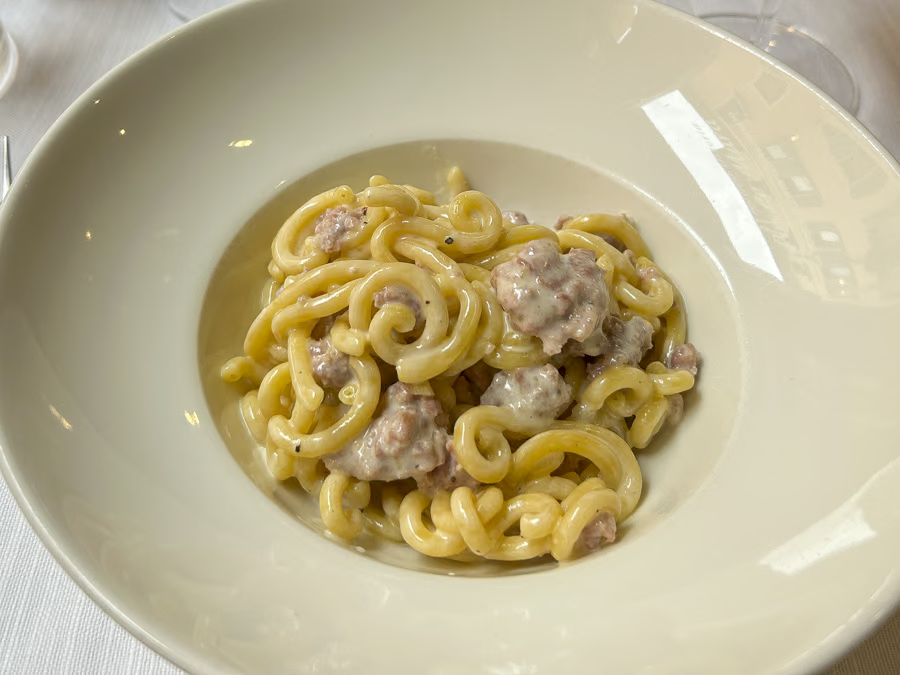
A table for two by the window, please! We were introduced to salsiccia e gramigna in a crema di parmigiano reggiano (aged 24 months) here. It was to die for. We came back for a second time just so that we could both order this dish and not share! The menu offers a traditional menu and a creative menu (traditional dishes with a twist) along with an extensive wine selection. The selezione di salumi emiliani con crescentine was a stellar starter (prepared for a minimum of 2 people). And if you are a dessert person, opt for the crema catalana alla nocciola - hazelnut creme brulee. The tiramisù and zuppa inglese are also delicious! The staff is welcoming, helpful, and were patient with us while practicing our Italian! A highly recommended stop in Bologna.
Scacco Matto agli Orti
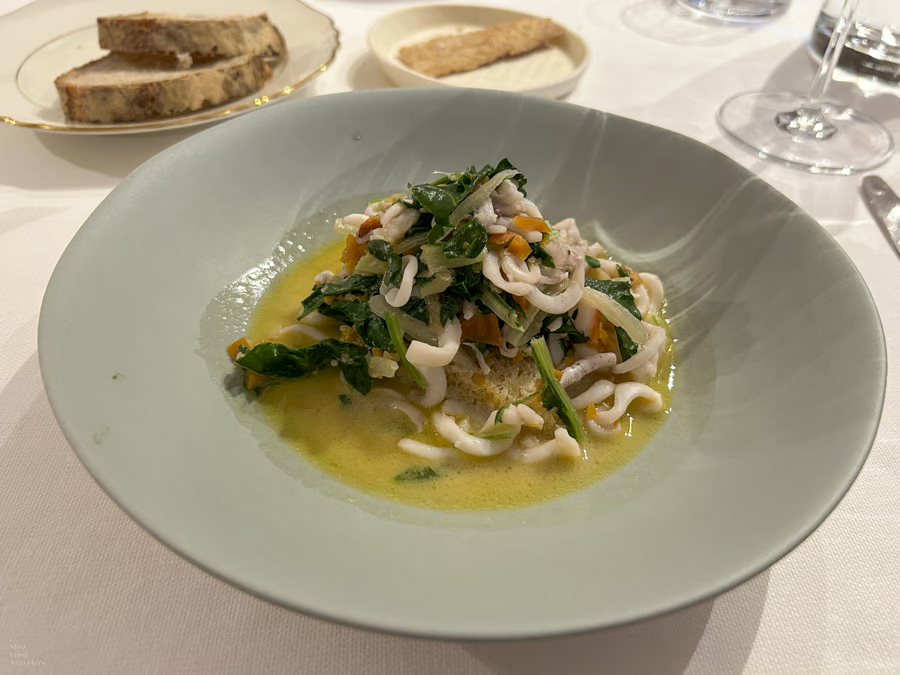
You’ll try dishes here that you won’t find anywhere else. This well-designed, inventive restaurant has a highly-attentive and knowledgeable staff that made our dining experience superb! Our favorites included: The gamberi (shrimp) antipasto - served on a bed of asparagus cream with ‘nduja oil. The flavors blended together with just a hint of spice. The calamari “in zimino” - which means braised with chard - antipasto. It has a tiger milk that resembles a Thai curry. The spoja lorda primi - a square, stuffed pasta that had a ton of flavors with small bites of frutti di mare (assorted shellfish). While we ordered a la carte, they also had tasting menus that looked amazing too!
Caminetto D’Oro
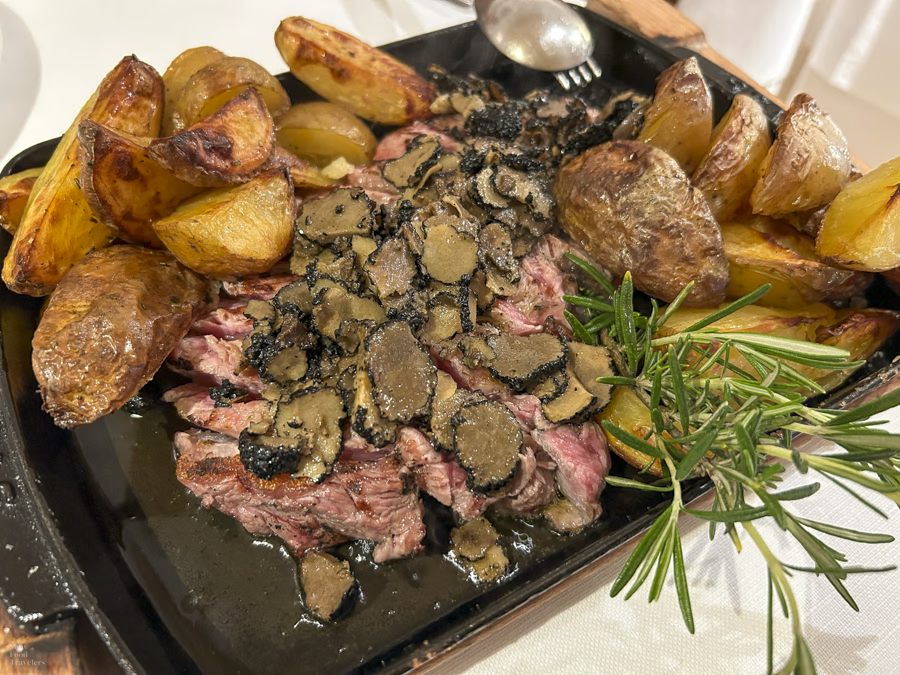
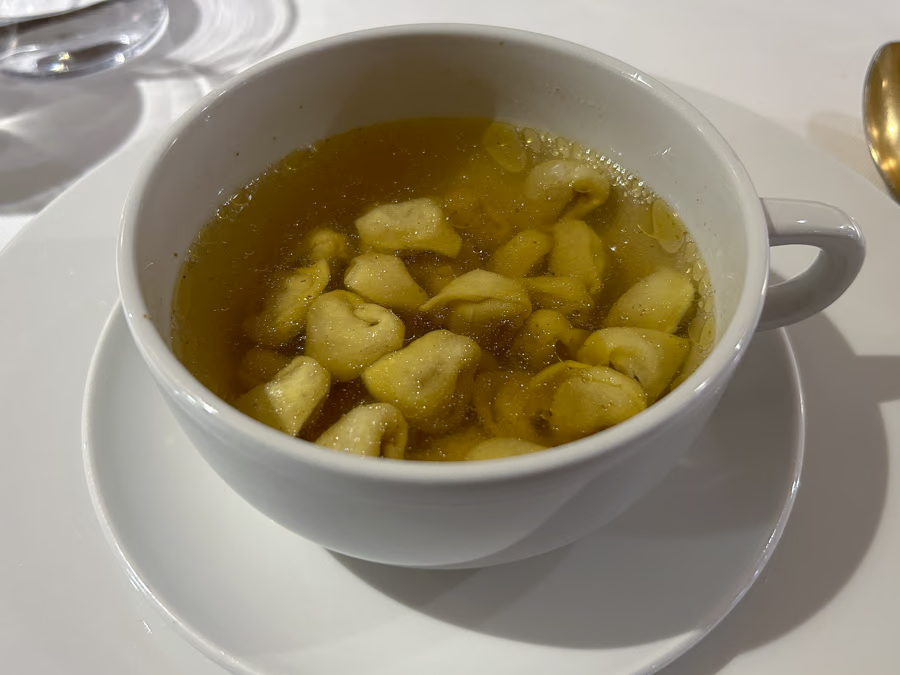
It’s hard to go wrong here - their pastas? Some of the most picturesque in town, with accompanying tastes you won’t find elsewhere. Their capon broth they use for their tortellini in brodo is divine. Our favorite, though, is their steaks. Often covered with truffle and high end olive oil, and delivered on a searing cast iron plank, you’re going to want to bottle up the leftover oil and take it home. It's so delicious! Save your appetite for this one, as there’s a ton to order and you’ll leave full and satisfied.
Ristorante Cesarina
Located at Piazza Santo Stefano, this is a restaurant that has something for everyone. First, choosing where to sit: if it’s nice weather, why not sit out on the piazza with the ambiance of the beautiful basilica next door and enjoy an alfresco meal? Not a fan of eating outside? The inside is beautifully decorated - trattoria charm, but make it upscale. Next: the menu. It has a ton of choices, but not in an overwhelming way. The antipasti, primi, and secondi sections all have options from a traditional, modern, or seafood option. You could definitely come here a few times and never eat the same thing! We opted for traditional dishes.
Sfoglia Rina
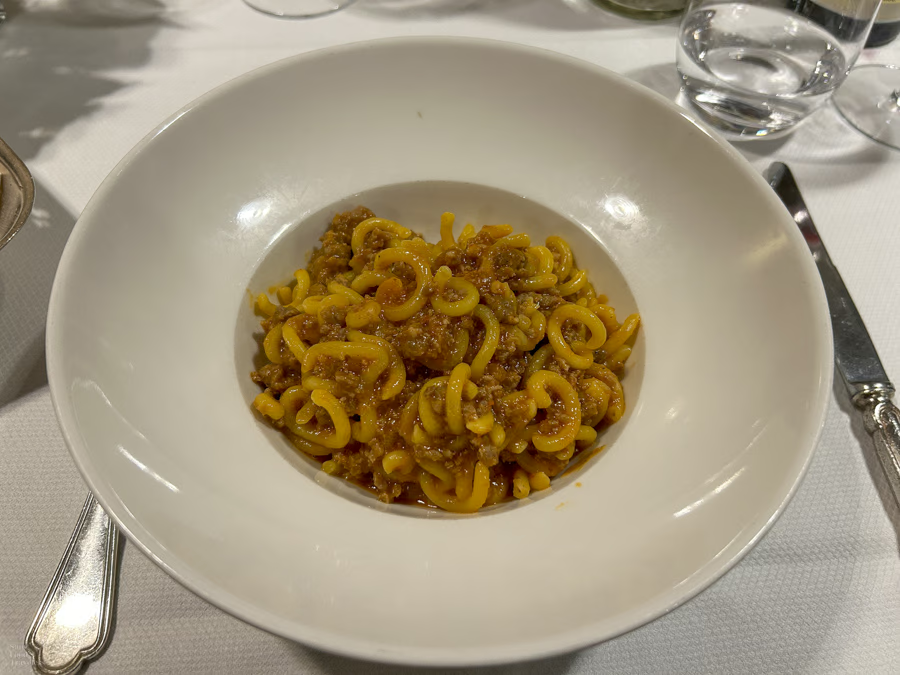
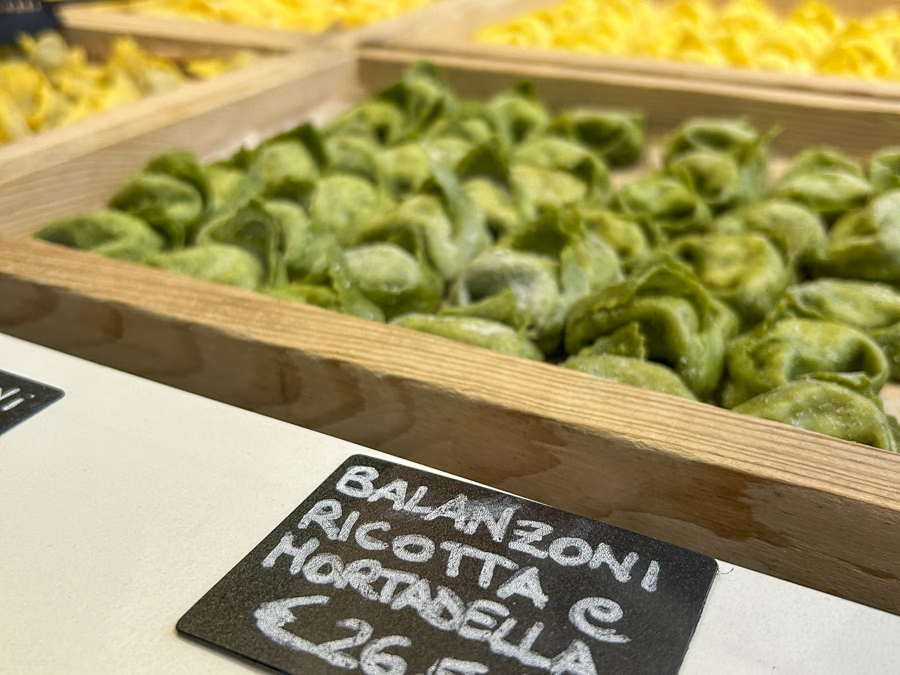
What a unique place! Sfoglia Rina is a first come, first served establishment where the lines can get extremely long. The lines remind us of trying to get BBQ in our hometown of Austin, Texas - the lesson is get there early or be prepared to wait. Is it worth the wait? We absolutely think so! Once you get to the front of the line, you'll get escorted to your table where you can look at the chalkboard for the dishes of the day. You can also choose from their other menu offerings. This place is all about their fresh handmade pasta, and you can't go wrong no matter which dish you choose. We recommend saving room for dessert and coffee (they have a moka pot option) as they are delicious and affordable. If you don't want to wait in line, they have a takeaway option as well.
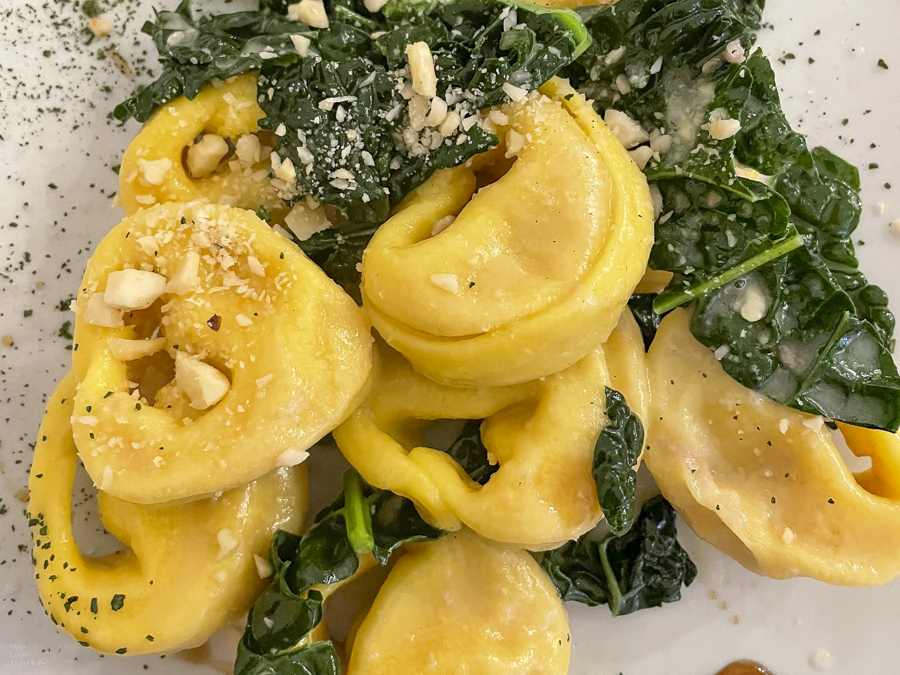
L’Emporio
L’Emporio uses the highest ingredients for its meat, cheeses, and breads, mostly procured from producers of the region and/or local to Italy. We recommend ordering the tagliere - a large selection of artisanal meats and cheeses. While it comes with bread, don't forget to add some tigelle (a typical round bread of the region), as they are absolutely delicious - the best we've tried. Pair this with a couple drinks of your choice and you’ve got the perfect aperitivo, lunch, or light dinner! They also have a large selection of wine and sandwiches which look equally as amazing.
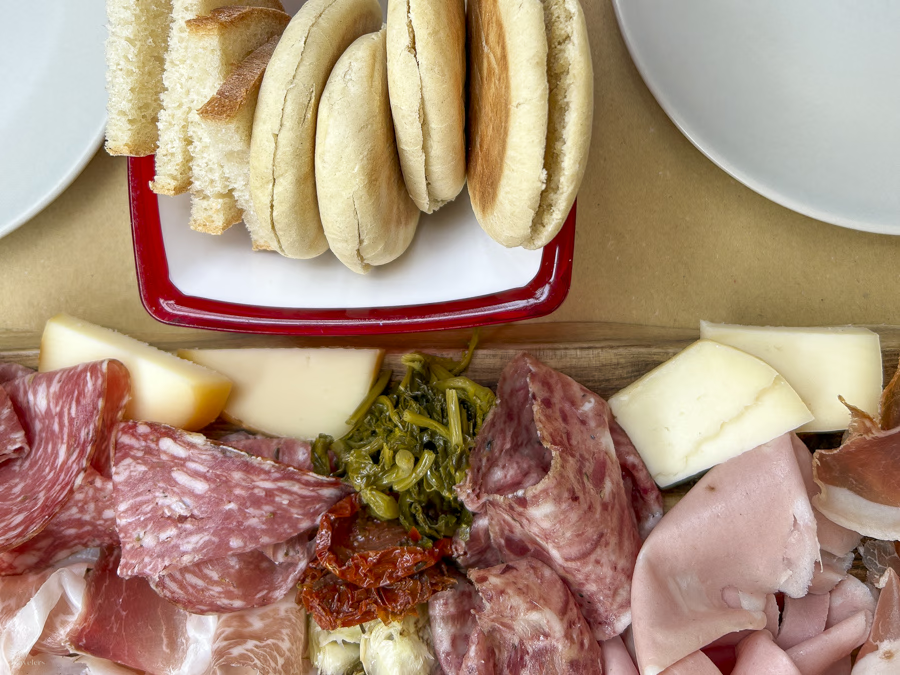
Polpette e Crescentine
This is one of our favorites! We ordered the Piatto Aperitivo (with a half order of the crescentine fritte) and were stunned when out came a 3-tiered stand full of incredible bites. The crescentine fritte pairs perfectly with the cured meats, and the prices can’t be beat. The University District has a ton of restaurants that operate out of little sheds along the main street, with either alfresco seating or takeaway options. Come and mingle with the younger crowd, and enjoy a scene that fewer tourists venture to. There are 2 locations - the full-servicerestaurant is north of town in Bologanina, which might not be convenient if you’re staying in centro. The other is a more casual option, which is hard to find on Google Maps in the University District. We recommend going to their website and getting the exact address to plug in to go to this location.
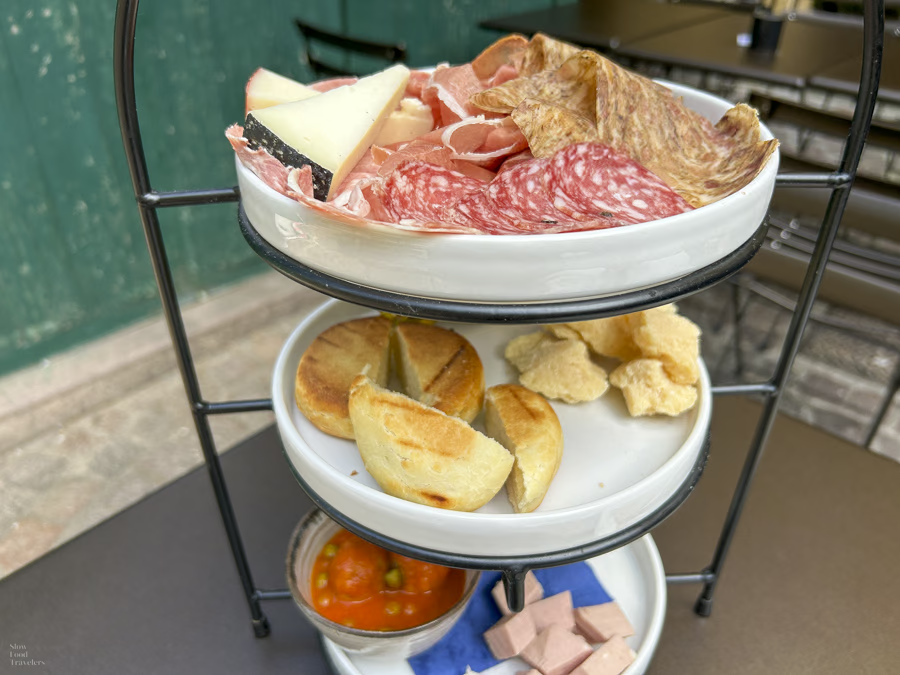
Forno Brisa
We made many a trip to Forno Brisa during our time in Bologna! While we've always known that not all cornetti (croissants) are created equal, this place solidified that. You can always tell the quality of the pastry somewhere by simply ordering a plain croissant (cornetto vuoto). These were fresh, moist, and flaky (the right amount). Not a croissant for breakfast person? No problem. They also have a ton of other pastries available, as well as focaccia, and great coffee. Multiple locations across town.
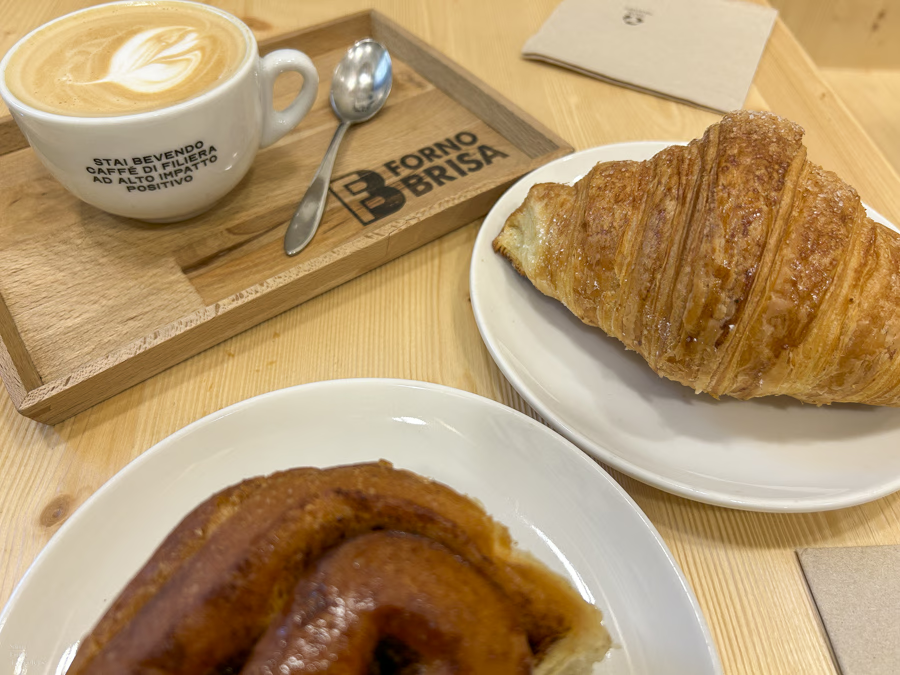
Cremeria Santo Stefano
Cremeria is widely known and talked about, and for good reason. It is definitely one of our favorites in town, but will be for lots of other folks in Bologna as well; make sure to either go during an off time or expect a wait! Located about a 15 minute walk southwest of Piazza Maggiore, it’s a fun diversion that you can walk under a portico almost the entire trip. Cremeria Santo Stefano also has a wide variety of other treats (a great selection of chocolates), if someone in your group somehow doesn’t like gelato!
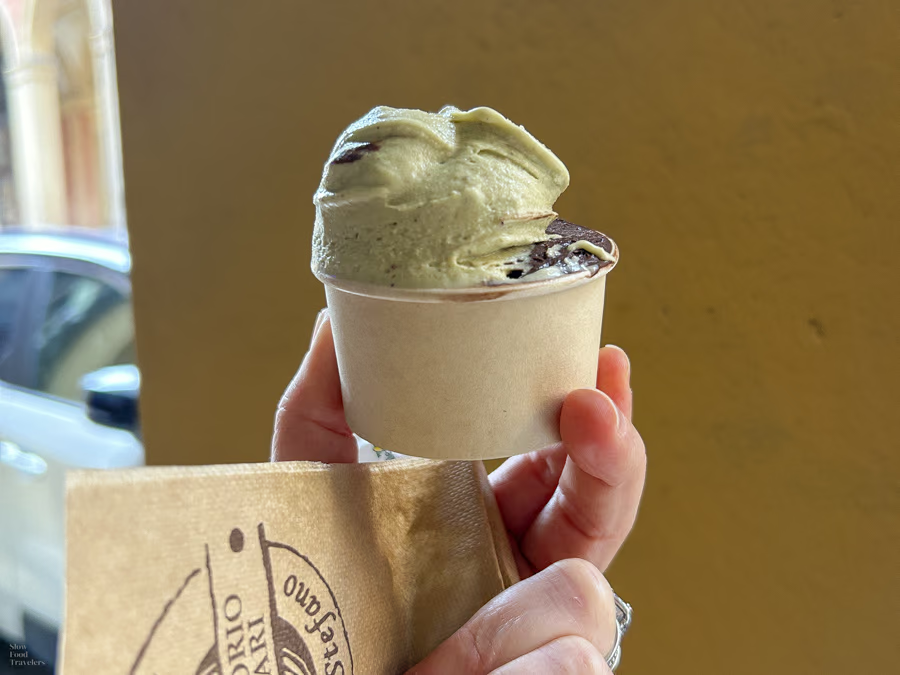
Cremeria Cavour
Cremeria Cavour is closer to Centro (under a 10 minutes walk from Piazza Maggiore), in a beautiful piazza (aptly named.. Piazza Cavour) where you savor your gelato, has premium gelato flavors, (both classic and inventive, seasonal options), and yet.. we’ve been fortunate enough to never have waited too long to enjoy. Definitely a visit you should make on your gelato tour!
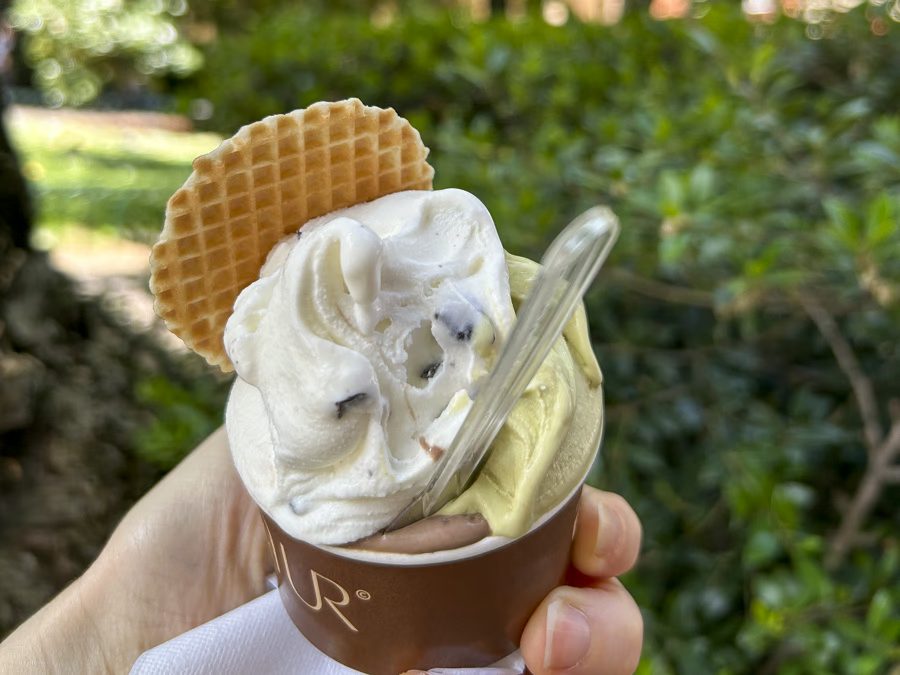
La Sorbetteria Castiglione
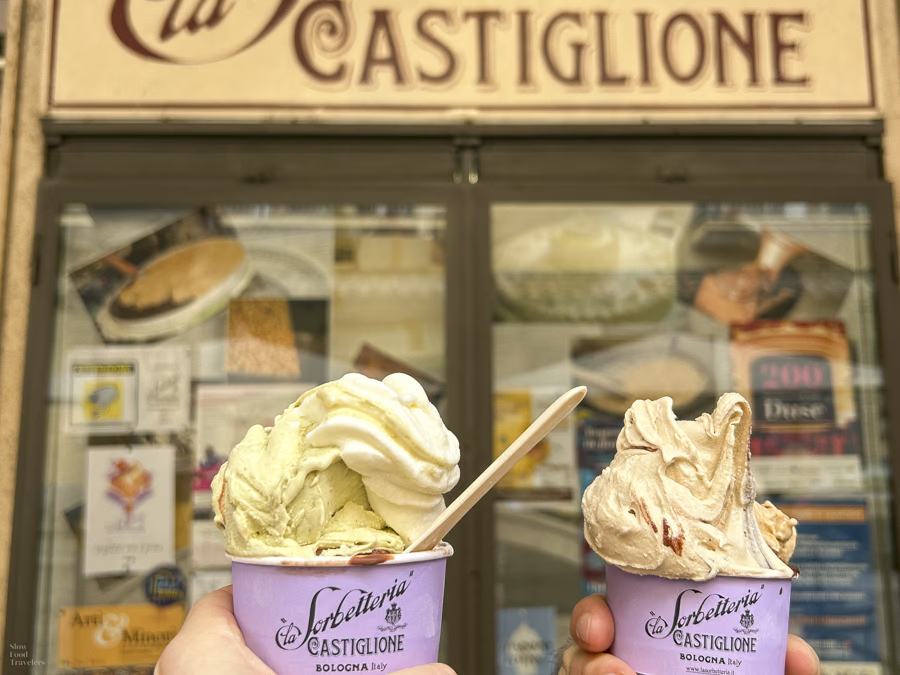
Another great option southwest of the city - Bologna is just full of amazing gelato - it’s a 15 minute walk southwest of Piazza Maggiore under beautiful portici the entire way (sound familiar?). We like La Sorbetteria Castiglione for its inventive flavor combinations. As their name suggests, they also have a wide variety of fruit-based, non-dairy options.
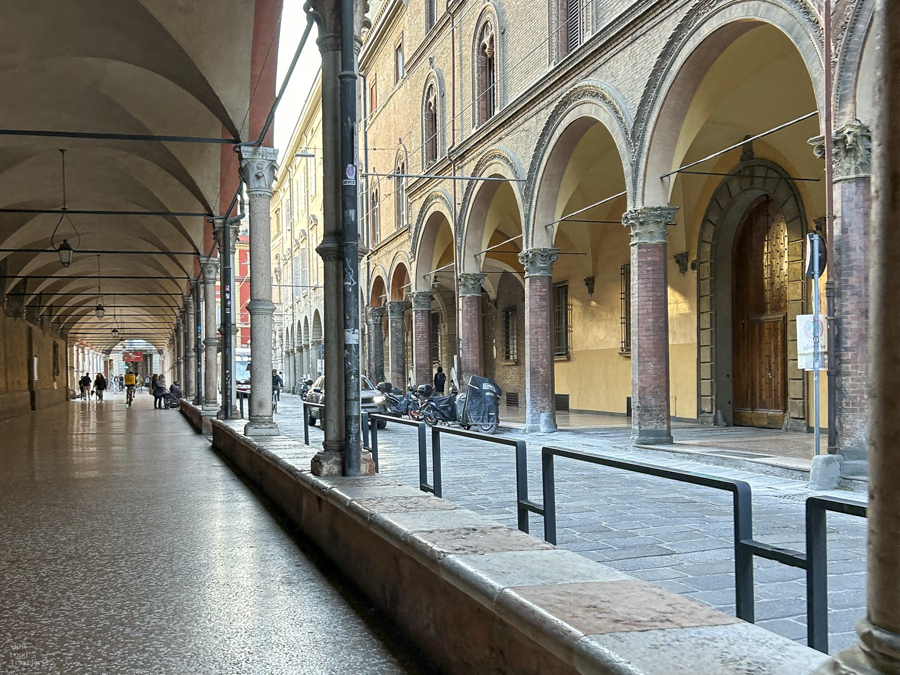
If you are pressed for time in Bologna, map out some of the beautiful piazzas, including Piazza Cavour, Piazza Mignhetti, and Piazza San Stefano. They offer a glimpse of the magic that Bologna encompasses. And of course, don’t forget to check out the more well known spots be around the heart of Bologna at Piazza Maggiore, the old shops and markets down the narrow alleyways of the Quadrilateral (Quadrilatero in Italian), and the cities most famous two towers (Torre Asinelli and Torre Garisenda). While there are many things to see in the city center, there’s also an abundance of beauty just outside it.
Giardini Margherita
Bologna’s largest and most beautiful public park sits just outside of the main city center. If you are someone who loves green spaces, looking for a relaxing spot to hang out, or go for a run, this park is for you. We found ourselves walking through the park every morning to soak up the sunshine beneath huge trees, beautiful ponds, and open fields of people having picnics and reading books, or having coffee with friends. Speaking of coffee, there’s a couple of spots in the park to grab a bite or a drink. The park is open early and stays open late, which also makes it a pretty “thru street” if you happen to be staying outside of the city center like we have.

Walk the Portici
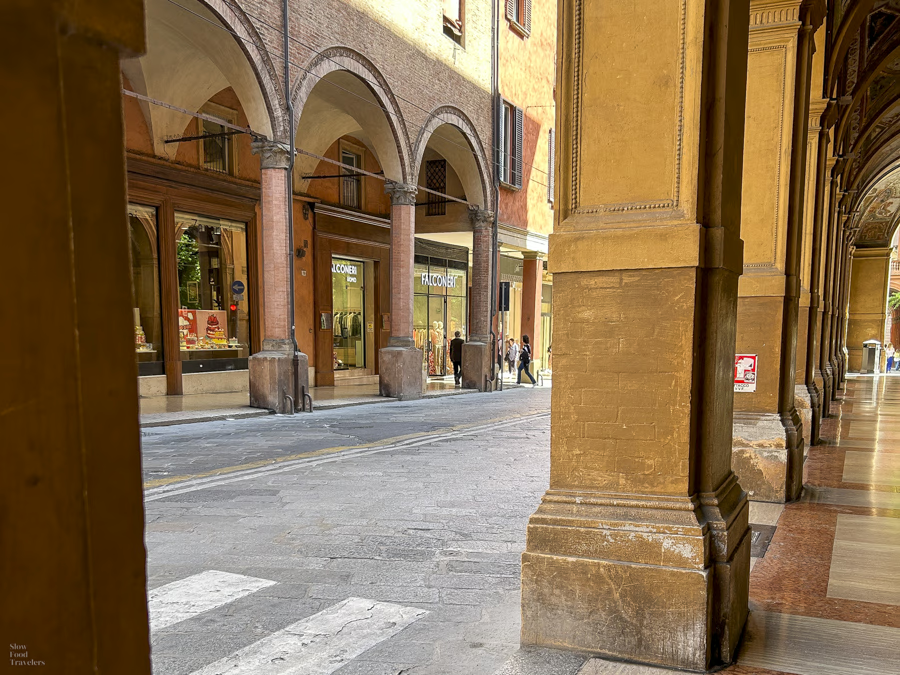
With over 38 miles (62km) of covered walkways (the most extensive in the world), Bologna’s famous porticoes (portici in Italian) are something you literally can’t miss. Designated as a UNESCO World Heritage site, they are one of Bologna’s most distinct features. Be sure to look up, as many of the ceilings are adorned with beautiful paintings and unique patterns, making them some of the most striking covered walkways that we’ve seen. Despite inclement weather, you can walk almost anywhere you need to in the main city center without the use of an umbrella! With residential and commercial spaces lining these walkways, it’s very convenient to get around town.
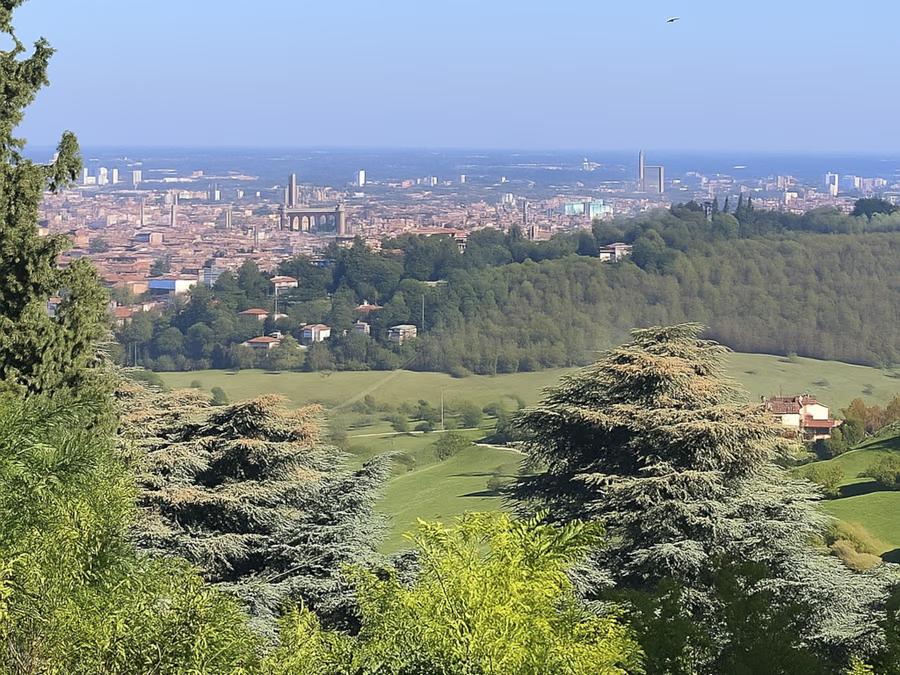
Santuario della Madonna di San Luca
Perched outside of the city, this hilltop Sanctuary offers stunning views of Bologna. From the path’s starting point at Porta Saragozza until you reach the top, the walkway is covered entirely by the world’s longest continuous portico. It’s amazing and like nothing we’ve ever seen before! If you decide to walk, it is a beautiful, but very long journey to the top. From our own experience, we were unprepared for the amount of steps and stairs it would take to reach the end destination. We made it, but we weren’t happy about it! I would gladly go again, but next time I will be taking public transportation or the tourist train that drives you up and brings you back down!
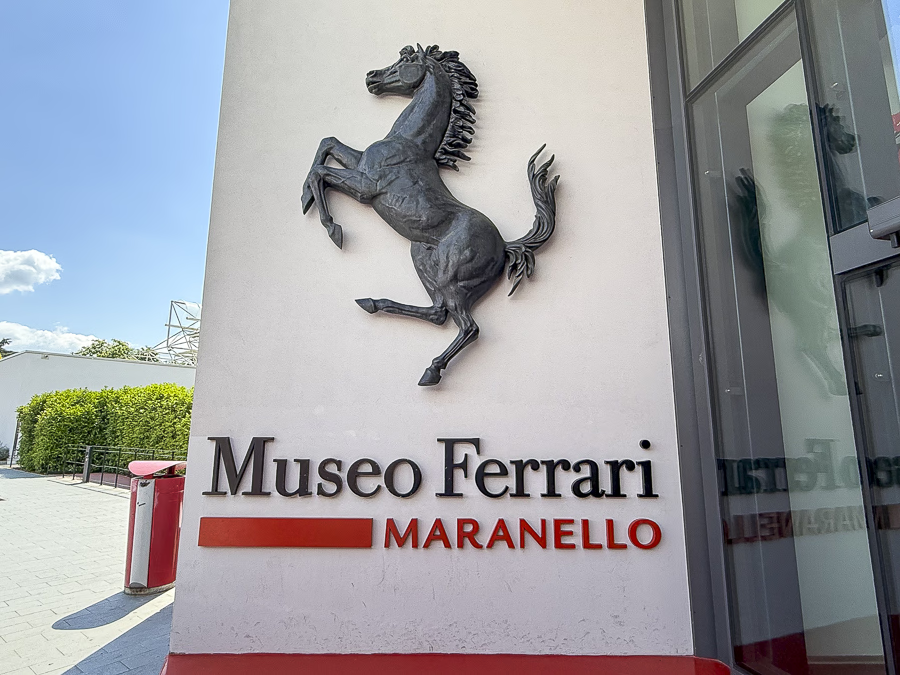
Museo Ferrari Maranello
The Ferrari Museum in Maranello is the Mecca for Ferrari fans. Maranello is about a half hour drive south of Modena and an hour drive west of Bologna, but that doesn’t stop the hordes of car aficionados from making the pilgrimage to Museo Ferrari. The museum walks through the history of Ferrari, including an impressive Formula 1 room and a dedication to the many racing trophies they’ve won over the years. You can buy tickets here ahead and skip the queue of people buying on site - highly recommend doing this to make your visit go smoothly. If you also plan on going to Museo Casa Enzo Ferrari in Modena, make sure you purchase the combo ticket for admission to both museums (secure combo tickets here or here).
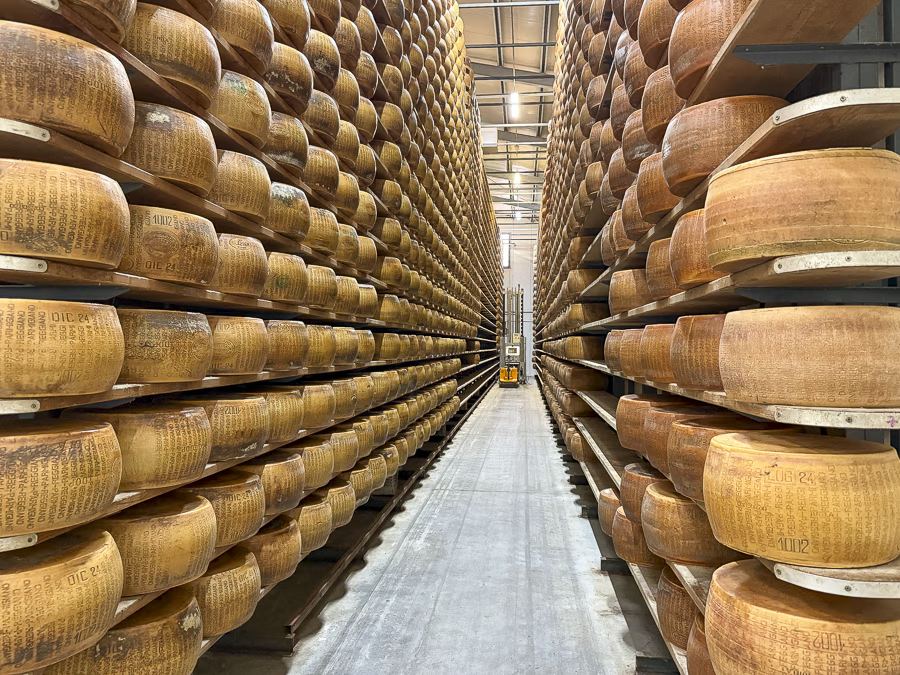
Tour a Parmigiano Reggiano Factory
Emilia-Romagna is the only place in the world where Parmigiano Reggiano can be made, and seeing the process first hand is a worthwhile experience. You’ll get to see and experience every step along the way - from the way the cows are milked, to how the cheese is formed, and witness the wheels’ resting place. Entering the warehouse where all the cheese is aged is breathtaking! After touring the facilities comes the best part: you get to taste the final product! We highly recommend this particular producer. The tour was extremely educational and the experience was great! It fills up quickly, so be sure to book tickets in advance if you have a specific date in mind. You can purchase tickets here.
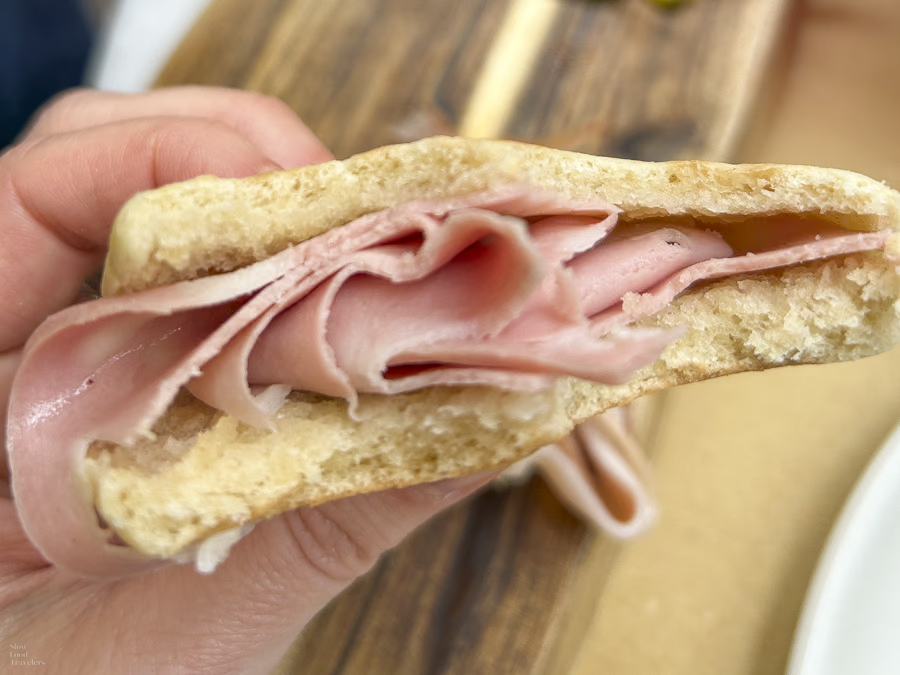
Mortadella
This region has an abundance of incredible cured meats. Like wine, these meats are aged from months to years, depending on the type and desired outcome. You may be familiar with prosciutto, but have you ever tried mortadella? Known in the United States as something out of an Oscar Mayer package, the original hails in comparison. Order a tagliere di salumi (charcuterie board), add some local cheeses (formaggi) and a side of tigelle (thin, round bread), and savor all of the wonderful flavors.
Parmigiano Reggiano
Parmigiano Reggiano, also known as Parmesan cheese, is a high-quality Italian cheese that originates from the regions of Parma, Reggio Emilia, Modena, Bologna, and Mantua. It is made from cow's milk and is renowned for its distinctive flavor and granular texture. Parmigiano Reggiano is aged for a minimum of 12 months, but some varieties are aged for even longer, resulting in a more intense flavor. It is commonly grated and used as a topping for pasta, risotto, soups, and salads, or enjoyed on its own as a delicious, savory snack.

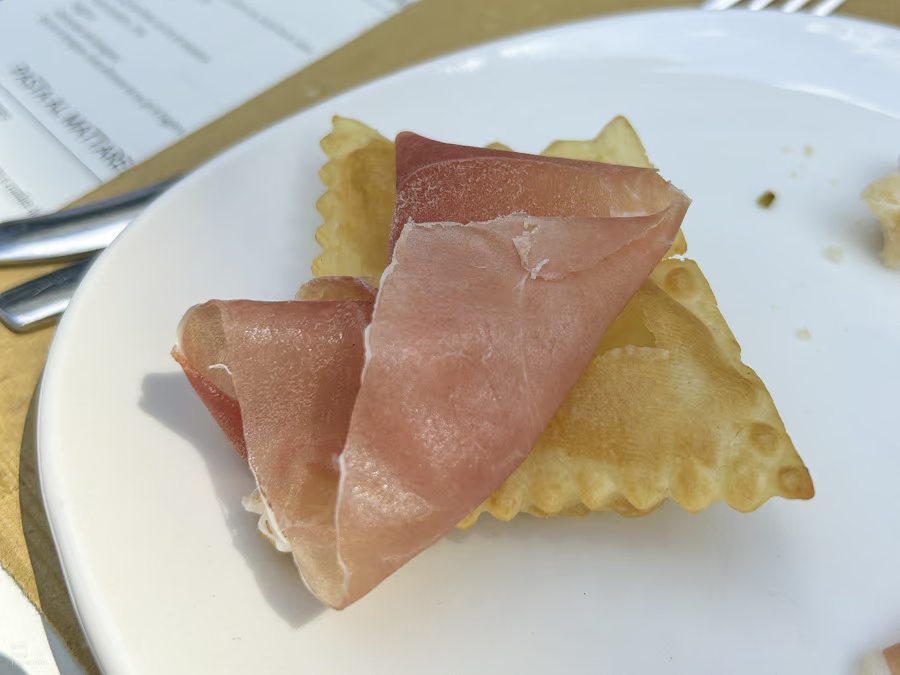
Crescentine Fritte con Affettati Misti
Crescentine fritte are small squares or diamonds of fried dough. Typically served hot and accompanied by cured meats (affettati misti), such as prosciutto or salami. Although filling, crescentine fritte makes for a great starter and is one of our favorite things to eat in the region.
Gramigna alla Salsiccia
This is one of our favorite pasta dishes, hands down. It is super simple; sausage, onion, white wine, cream, olive oil, salt, pepper and, of course, some Parmigiano-Reggiano with the gramigna pasta. Gramigna translates to “Bermuda grass”, which is representative of what a bowl of gramigna pasta looks like, and is a small tubular pasta with a bit of a twirl kicked in. The sauce and sausage complement the pasta perfectly, and it’s impossible to stop eating!
Tortellini in Brodo
Tortellini in brodo consists of small, stuffed pasta rings (tortellini) served in a flavorful broth (brodo). Tortellini is typically filled with a mixture of meats, cheese, or vegetables. The broth is a light and savory soup, usually made from chicken/capon, beef, or vegetable stock. I'll admit - before trying this, I thought to myself, "what's so special about putting pasta in a broth?" I'm glad I got past my doubts and tried it.. because now I know of another way to have pasta that I adore. The broth brings a different dimension to a dish that I thought was tried and true. It's very comforting and surprisingly addicting. You won't be able to stop eating it!
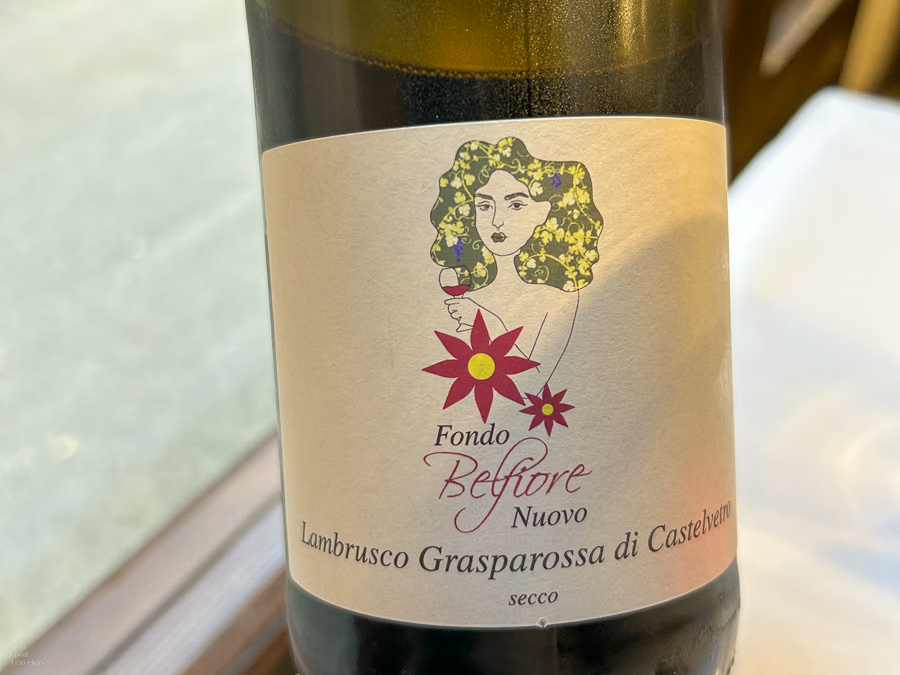
Lambrusco
Have you ever drank sparkling red wine? If not, lambrusco is a great one to start with! Made with the grape of the same name, this is a refreshing wine that goes well with all the local specialties - gnocco fritto/torta fritta, cured meats, aged cheeses - or even just by itself! Locals drink lambrusco (and often!) to cleanse their palette and often joke that they consume as much lambrusco as they do water! Primarily grown in the Emilia-Romagna region including Modena, Parma, and Reggio Emilia, there are 11 different styles of lambrusco in this region alone. Be prepared to try different ones to find your favorite! We prefer lambrusco that is scuro (dark) and secco (dry) as opposed to the sweeter ones that are lighter in color.


Where will your next journey in Italia take you?