


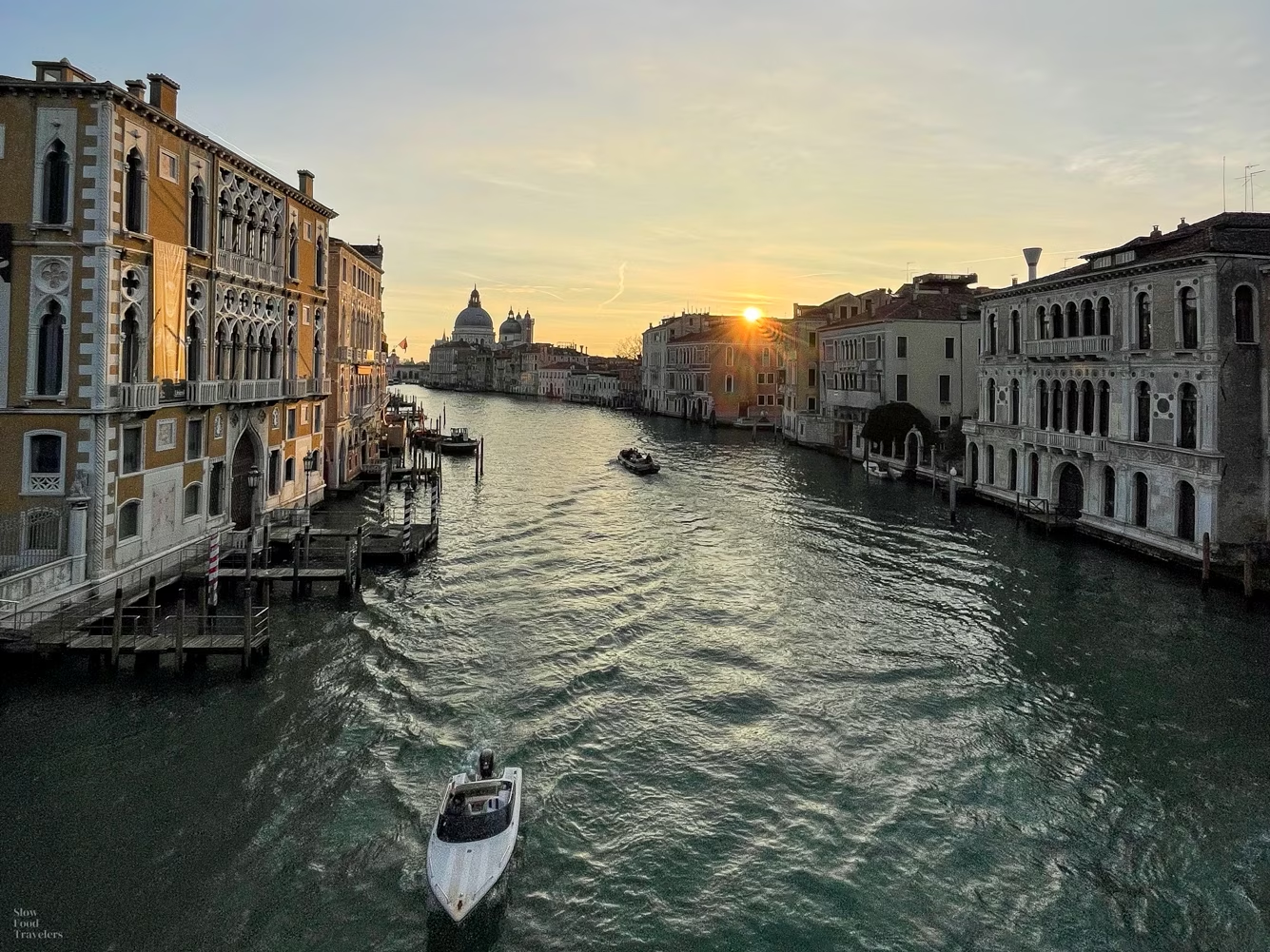
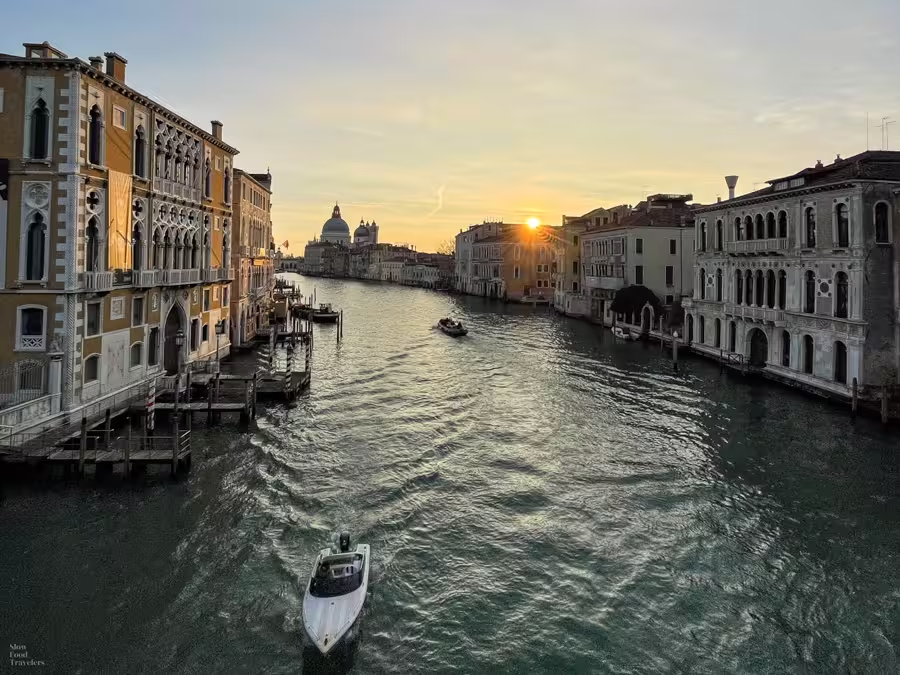
Venice, the capital of Veneto, is built on over 100 small islands in a lagoon in the Adriatic Sea, connected by over 400 bridges and separated by 150 canals. No cars are allowed in the historic center; transportation is entirely by boat or on foot, making it one of Europe's most physically unique cities. With around 260,000 residents in the municipality but only about 50,000 remaining in the historic center (the population has been declining for decades), Venice faces existential challenges from over-tourism, rising water levels, and the exodus of locals priced out by the tourism economy.
Venice's identity is utterly inseparable from water. Every aspect of the city's architecture, economy, culture, and daily life developed around its lagoon setting. Venetian cuisine reflects this maritime heritage: fresh seafood from the Adriatic, unique dishes like sarde in saor (sweet and sour sardines) and risotto al nero di seppia (squid ink risotto), and the distinctive bacari (wine bars) culture serving cicchetti (small plates) alongside local wines. Beyond the food, Venice's art, architecture, and history as a maritime republic that once controlled Mediterranean trade routes make it genuinely unlike anywhere else on earth. The problem is that this uniqueness attracts millions of visitors annually, creating crowds that can overwhelm the experience, especially around San Marco and the Rialto.
Come to Venice knowing it will be crowded, especially near the main attractions. Accept that reality and plan accordingly: visit in shoulder seasons (November through March, excluding Carnevale), explore neighborhoods beyond the tourist routes (Dorsoduro, Cannaregio, Castello), wake early to see the city before cruise ship passengers arrive, and embrace the bacari culture in local spots where Venetians still gather. Book a restaurant table at least a week ahead for anywhere decent. Consider staying on less-visited islands like Giudecca. Venice rewards those who look beyond the postcard views to find the lived-in city still existing beneath the tourist surface: artisan workshops where Murano glass is still made by hand, small campi (squares) where locals shop at morning markets, quiet canals where the only sound is water lapping against ancient stone.
Pasta & Tiramisu Cooking Class
Learn to prepare fresh Italian pasta and classic tiramisu in a hands-on cooking class inspired by the culinary traditions of Venice.

.svg)
Cicchetti & Wine Tour
Discover Venice’s vibrant food scene while sampling traditional cicchetti and regional wines at beloved local wine bars and eateries.
Venetian Culinary Experience
Explore Venice’s culinary scene through a guided tasting experience featuring local wines and traditional Venetian specialties.
Venice by Night Catamaran Cruise
Experience the magic of Venice after dark as you sail across the lagoon on a catamaran cruise, taking in illuminated landmarks and waterfront views.

Best Airport(s)
Venice Marco Polo (VCE), Treviso (TSF)
Looking for Airfare?
→ Compare Airlines and Flight Prices.
Estimated Time (Airport → City)
VCE → Venice: ~20–35 min (car/taxi) / ~25–60 min (bus/water taxi options)
TSF → Venice: ~45–70 min (car) / ~60–90 min (bus/train)
Main Train Station(s)
Venezia Santa Lucia, Venezia Mestre
Train Schedules & Fares
→ Compare prices and secure tickets here.
Need transportation to/from the airport or train station?
→ Schedule a Private Transfer.
Quick Tip
Venezia Santa Lucia is best for arrival on the island (steps from the canals).

Jump to:
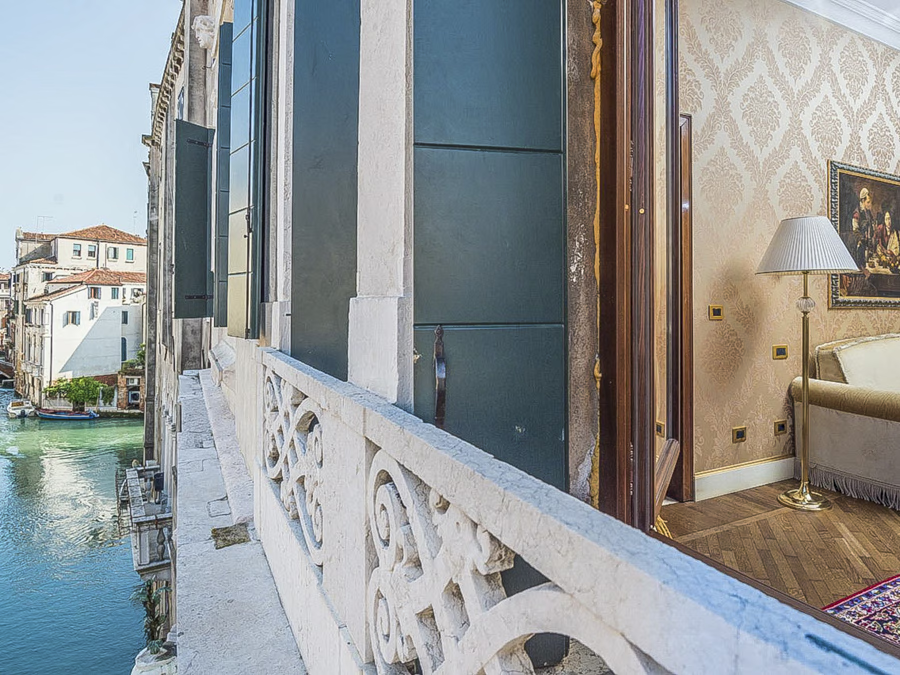
Hotel Ai Cavalieri
On our first trip to Venice, we stayed at this beautiful hotel. It was close to all of the biggest attractions, but not overflowing with foot traffic. It was quiet, the breakfast was fantastic, and the dock that overlooks the canals was so peaceful and pretty.
Photo source: Hotel Ai Cavalieri

Osteria alle Testiere
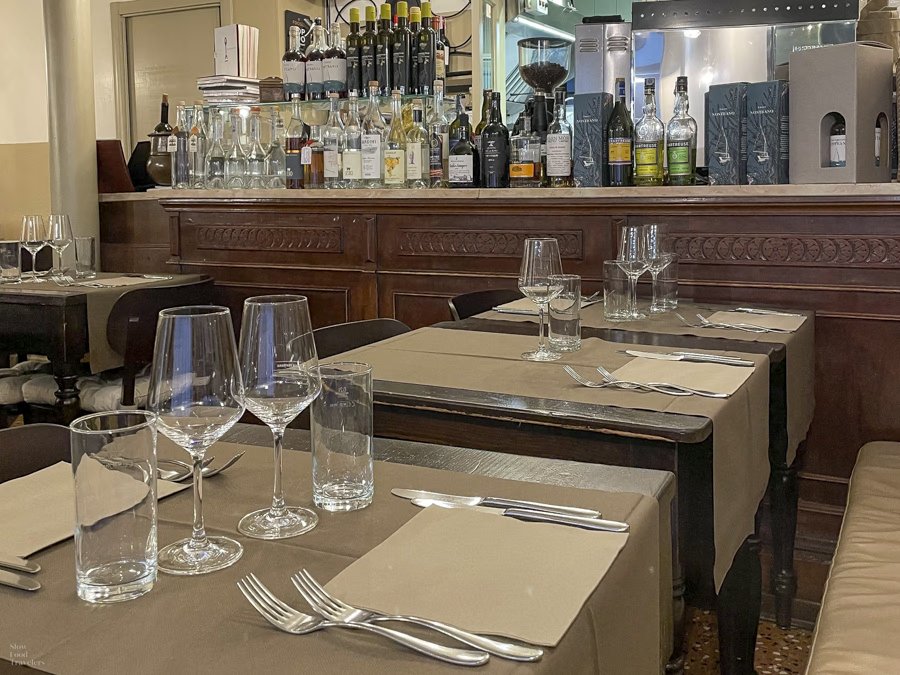
From the moment you walk into this cozy place, you'll feel like you're being served out of a close family friend's kitchen - it's that intimate! The menu is seafood driven, by what's available at the market that day. Everything is super fresh and expertly prepared, without a lot of pomp and circumstance. The seafood dishes are the star but everything is excellent - well-prepared beverages, freshly made bread, and incredible desserts. We recommend going for the grigliata mista di pesce e crostacei (mixed grilled fish and crustaceans). It's really a treat. This is a meal you'll remember years after. Reservations ahead of time are a must.


St. Mark's Square
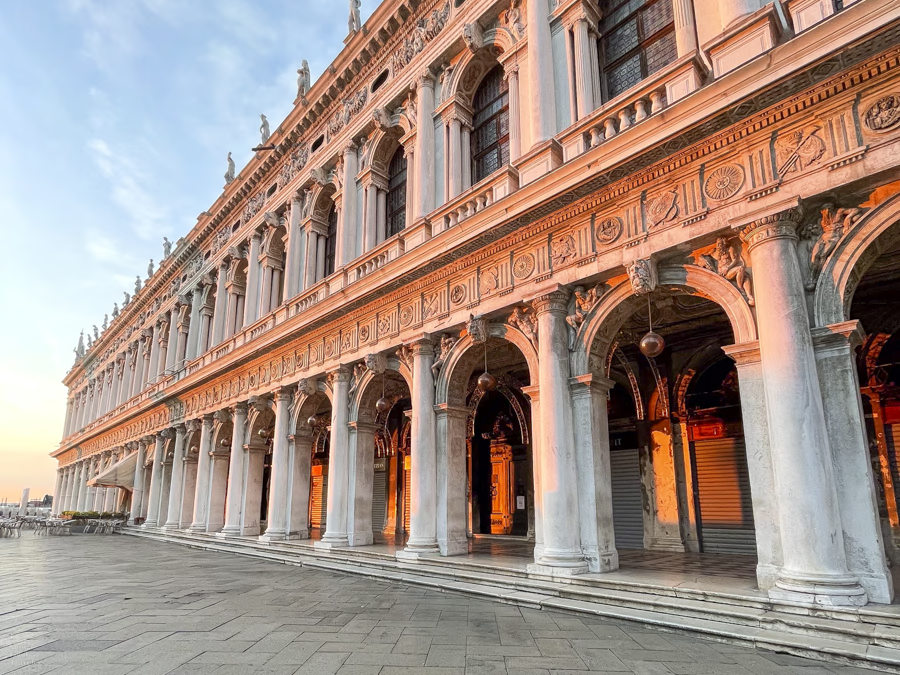
Being in St. Mark’s Square at sunrise is magical. There’s the lack of crowds plus the sun hitting just the right angles; you’ll be surprised at the peacefulness and calm you feel standing in the square. Coming early allows you to appreciate the views and to take the time to study and appreciate the architecture, without the worry of getting in someone’s TikTok or trying to side step that big tour group coming through.
Rialto Bridge
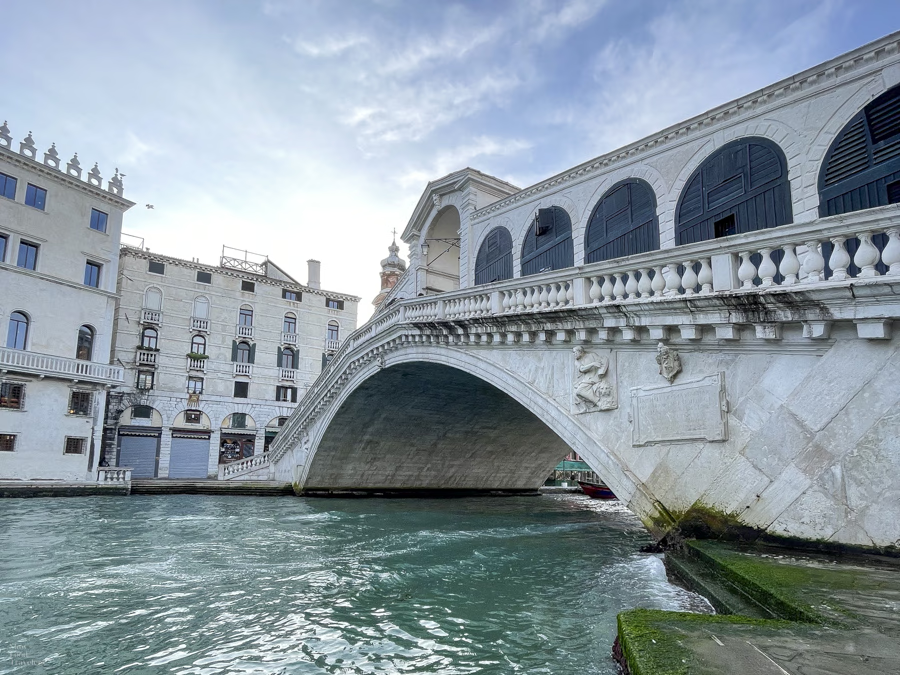
Yes, this is one that you’re going to see recommended everywhere. The Rialto bridge is world famous, and rightfully so. It’s beautiful, and captures the essence of Venice; the city is built for boats and walking bridges are needed to connect the over the canals. Rialto Bridge is one of the most stunning, as well as one of the most popular. We recommend you get here early in the morning or later in the evening to avoid the crowds and see the bridge in its magnificence.
Cicchetti
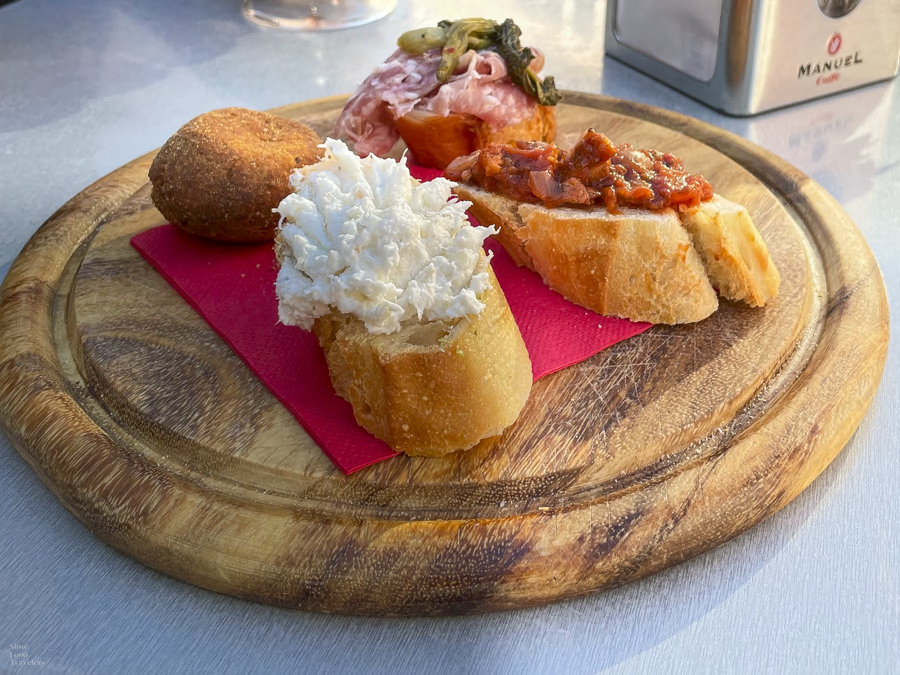
Like tapas, Venetian cicchetti are small, shareable plates. Found in bàcari (bars), cicchetti typically have a bread or polenta based, and are topped with fresh seafood, marinated vegetables, fried delicacies, and cured meats. With the option to order them per piece, you can explore a ton of different offerings and see which one suits your palate best!


Where will your next journey in Italia take you?