


Rome is Italy's capital, located centrally on the west coast with easy access throughout the country. As a major travel hub both within Italy and internationally, it's exceptionally accessible by train or plane from anywhere. The key to Rome is booking transportation and accommodations well in advance for better prices and availability, especially during peak seasons (April through October).
Rome is the first city travelers think of when planning an Italy trip, ourselves included. It's where we started our honeymoon and our love affair with Italy began. Rome's identity is inseparable from history; almost anywhere you turn, there's something historic, famous, and profoundly significant to human civilization. The Colosseum, the Roman Forum, the Pantheon, the Vatican, the Trevi Fountain, the Spanish Steps—the list of iconic sites seems endless. But here's what makes Rome special despite the crowds: with so much history, you can find intriguing places that are personally meaningful but overlooked by most tourists.
Rome is Italy's most populated and most visited city, which creates both challenges and opportunities. There's no shortage of information available about Rome, so we'll offer our unique perspective on The Eternal City, show you hidden gems outside the tourist bustle, and when we do venture into familiar classics, we'll explain how to maximize the experience while preparing you for the realities of crowds. Plan as much as you can (seriously, book Colosseum and Vatican tickets months ahead), but also accept that you can never plan enough for your first visit to a foreign city of this magnitude.
Vatican, Sistine Chapel & St. Peter’s Basilica Tour
Discover the Vatican Museums, Michelangelo’s Sistine Chapel, and the grandeur of St. Peter’s Basilica with an expert guide.

.svg)
Pasta and Gelato Cooking Class
Learn how to prepare fresh Italian pasta and authentic gelato in a hands-on Roman cooking experience.
Golf Cart Small Group Guided Tour
Explore Rome’s iconic landmarks and hidden corners in comfort on a guided golf cart tour through the Eternal City.
Trastevere Group Food Tour
Experience the flavors of Rome while exploring the charming streets, local trattorias, and vibrant atmosphere of Trastevere.

Best Airport(s):
Rome Fiumicino (FCO), Rome Ciampino (CIA)
Looking for Airfare?
→ Compare Airlines and Flight Prices.
Estimated Time (Airport → City)
FCO → Rome: ~35–60 min (car) / ~30–32 min via Leonardo Express train
CIA → Rome: ~25–50 min (car) / ~45–75 min (bus/train combo)
Looking to rent a car?
→ Compare rates and reserve one here.
Main Train Station(s)
Roma Termini, Roma Tiburtina
Train Schedules & Fares
→ Compare prices and secure tickets here.
Need transportation to/from the airport or train station?
→ Schedule a Private Transfer.
Quick Tip
Termini is the most central hub; Tiburtina is great for modern connections.

Jump to:
Sofitel Rome Villa Borghese
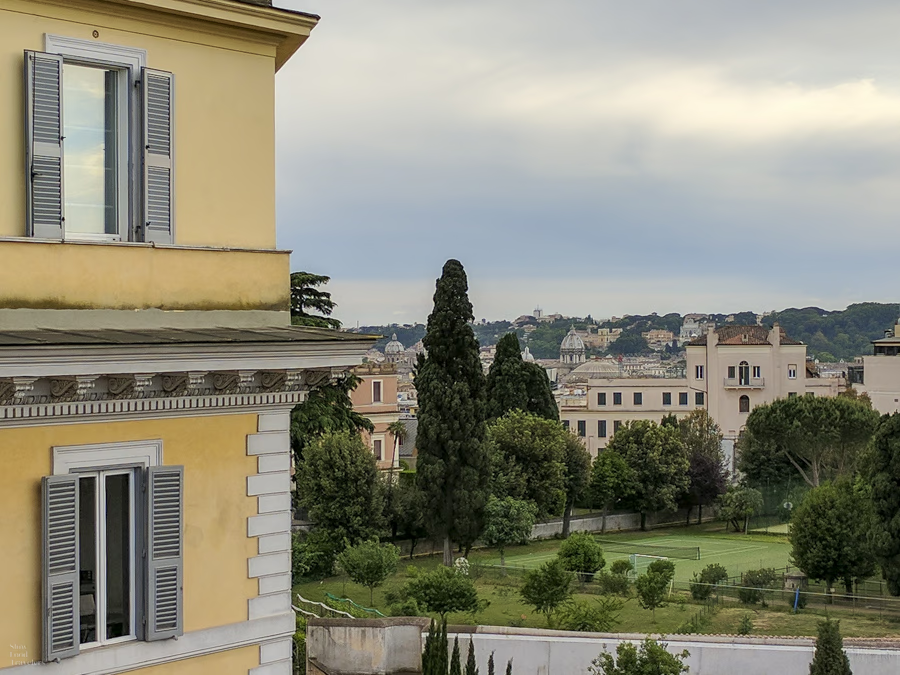
Sitting just outside the walls of Villa Borghese, this 5-star hotel is in a great area to explore the city. Located near major sights including the Spanish Steps, Galleria Borghese, Trevi Fountain, and endless shopping, this hotel still feels nestled away from the crowds. With a beautiful rooftop bar overlooking Rome, you can enjoy lunch or aperitivo, admiring views of St. Peter’s Basilica. We stayed here on the final night of our honeymoon and were welcomed with a bottle of Brunello di Montalcino and chocolate-covered strawberries—a thoughtful touch that made our stay unforgettable. It was the perfect way to end our trip, and we highly recommend this hotel if you’re looking for a luxurious Roman escape.

Le Méridien Visconti Rome
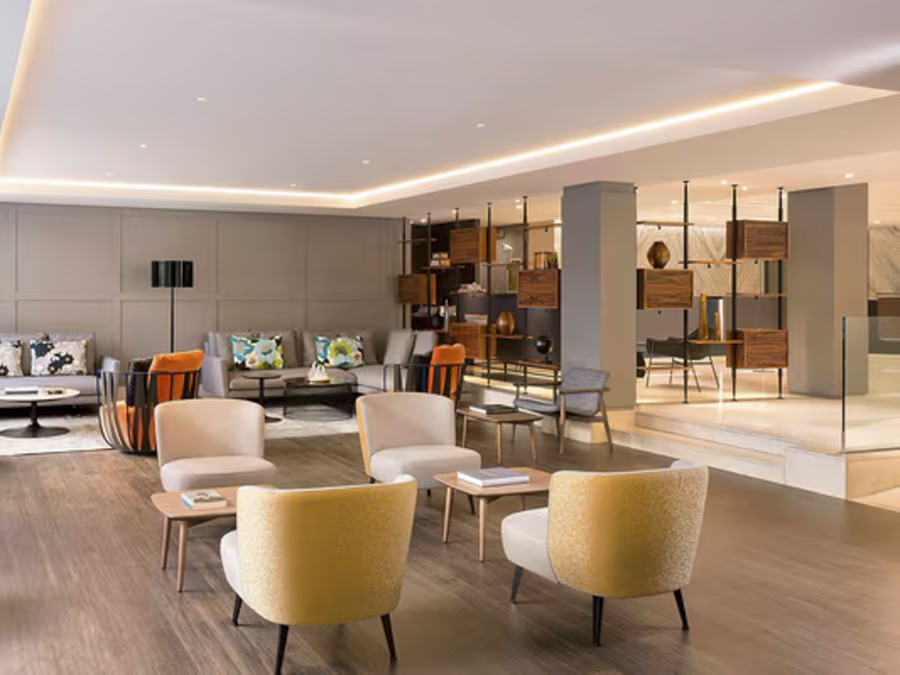
Located in the Prati neighborhood, this hotel offers an excellent base for sightseeing. It’s within walking distance of Vatican City, Castel Sant’Angelo, the Pantheon, and some of Rome’s best museums and shopping. We stayed here on one of our trips and loved the spacious, modern rooms, as well as the convenience of being able to walk everywhere we wanted to go. If your goal is to see and do as much as possible during your visit, this hotel is a fantastic choice!
Photo source: Le Méridien Visconti Rome
With over 25 million visitors per year, there’s no shortage of places to eat. A lot of folks probably don’t have food as high on the priority list as we do, and thus are looking to fit something in between a visit between their packed agenda of historic locations throughout the city. Sometimes this convenience can result in ‘tourist traps’, and there’s a few rules of thumb you can follow to avoid them. These apply throughout Italy, but are even more so important in Rome. Avoid places with picture menus displayed outside the restaurant; the places that are good don’t need a person trying to convince you to come and eat; and if it’s in a famous and popular piazza, you’re probably paying for the view and the people watching, not the food. With a bit of foresight and planning, Rome’s food scene is absolutely tremendous. There’s a mixture of classic dishes that have been exported throughout the world - they don’t taste better anywhere else. However, we urge you to also go beyond the classics and be an adventurous eater and try the traditional cucina romana, which includes offal portions. Eating quinto quarto are some of the most memorable and delicious meals we’ve had!
L’Osteria della Trippa
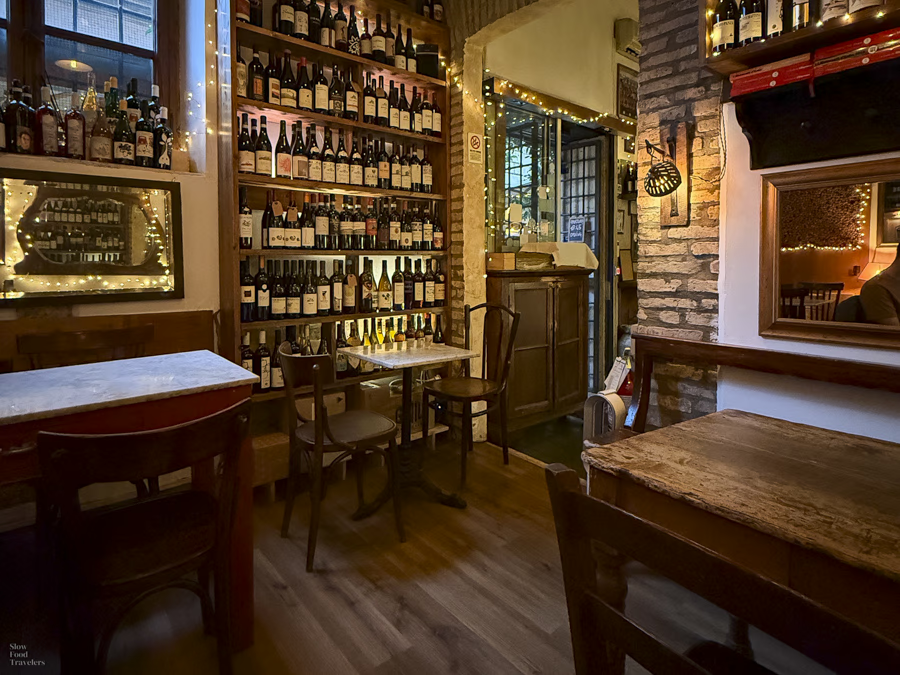
This is a delightful osteria located a bit south of the main pedestrian area in Trastevere. While you can order the classic Roman pasta dishes here, which we love, we also encourage you to branch out and try their namesake or any of the other offal they have on the menu that day. If you are lucky, you’ll be greeted by the restaurant owner and chef, Alessandra Ruggeri. She made our dining experience memorable and has the best recommendations. Highlights include anything from their trippa (tripe) section, specials like cervello (brain), pajata (often served with rigatoni), and if in season, and Jerusalem artichokes. The shelves are packed with wine bottles, including a large selection of local cesanese options, which Alessandra will cheerfully find you a pick to match your meal. Finish off with tiramisù, or other desserts made in house, and you won’t be disappointed!


La Ciambella
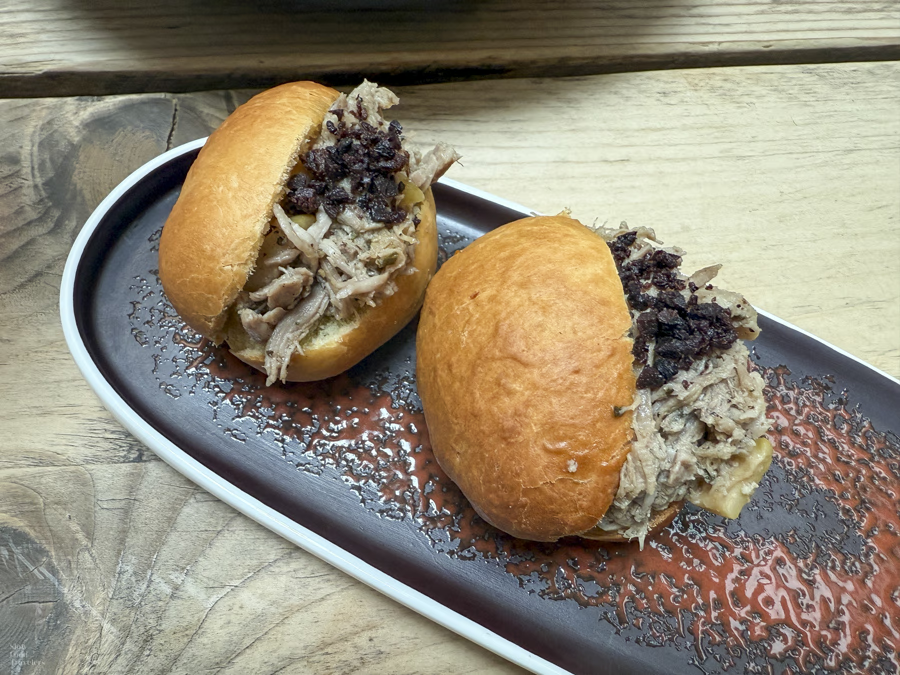
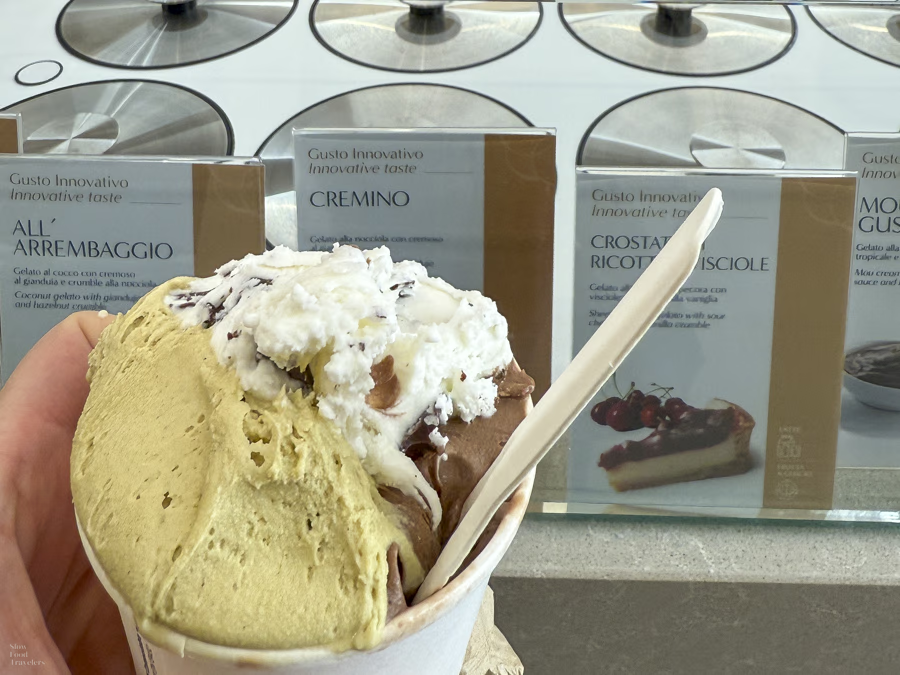
Once you step inside La Ciambella, you’ll immediately forget that it’s located near the chaos of Centro Storico. The food options here are more extensive that first appear. If you want the traditional Roman dishes served with exquisite ingredients, they have a tasting menu perfectly designed for that. Then, there’s a selection of dishes devoted to the season, plus a wonderful selection of staples that chef Francesca Ciucci has created from her cooking experiences in Trastevere and Testaccio. Don’t be shy of the items with organ meats, like the sweetbreads or oxtail (there are options in antipasti, pasta, and secondi to choose from). The chef's recipes and execution are perfect. We recommend their “Maritozzo”, which uses a lamb cacciatora for the filling. For dessert, order the “Il Ghetto”. We aren’t normally fans of cheese for dessert, but this ricotta and sour cherry tarts was one of our favorite desserts of the trip!
L’Osteria di Monteverde
Tucked away on a nondescript street in the Monteverde neighborhood, this Osteria is worth seeking out. The staff are very welcoming, warm, and will ensure you have a great meal. The menu changes with the seasons, so you’ll know the ingredients are served at their freshest and best time of year to enjoy them. While we’re not always fans of tasting menus since they can be limiting in what you get to try, we highly recommend the tasting menu here. The pricing of the tasting menu is one of the most reasonable we’ve seen, and we got to try nearly everything we wanted to even if we ordered a la carte! This is one restaurant that should not be missed.
Trattoria da Cesare al Casaletto
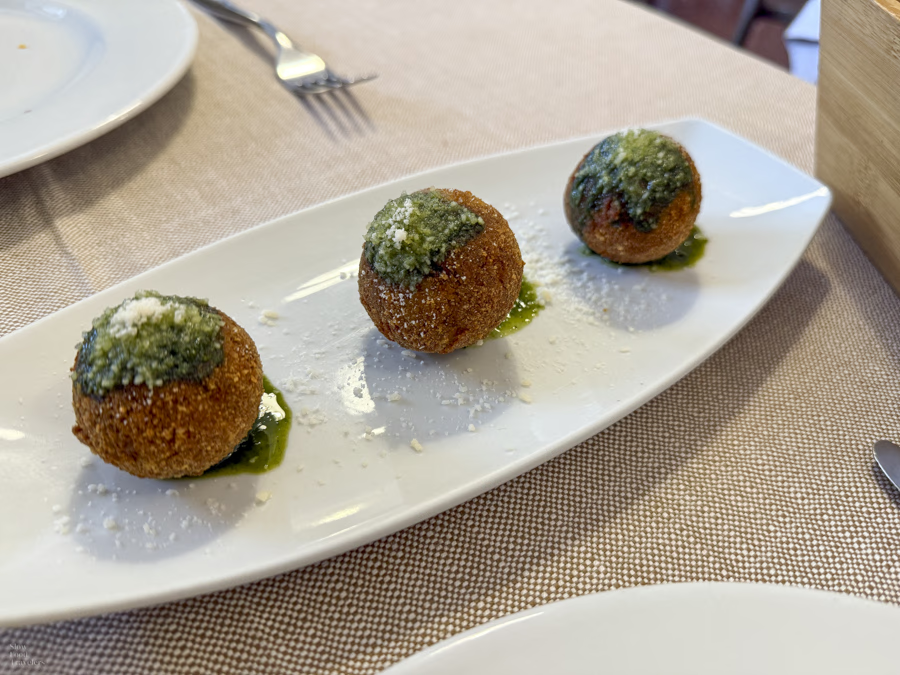
While there are now two locations in Rome, we opted to dine at the original for a more authentic experience (away from the city center). Everything we tried was delicious. From the polpette (meatballs) with boiled meat and topped with pesto, to the classic pasta choices like Tonnarelli alla Gricia or the Rigatoni al Sugo della Coda alla Vaccinara (oxtail), you can't go wrong. Want something fried? Go for the totanto (“flying squid”). We also really enjoyed their panna cotta with chocolate - it did not say it on the menu, but we think there’s a hint of hazelnut in there! Be sure to book ahead.
Armando al Pantheon
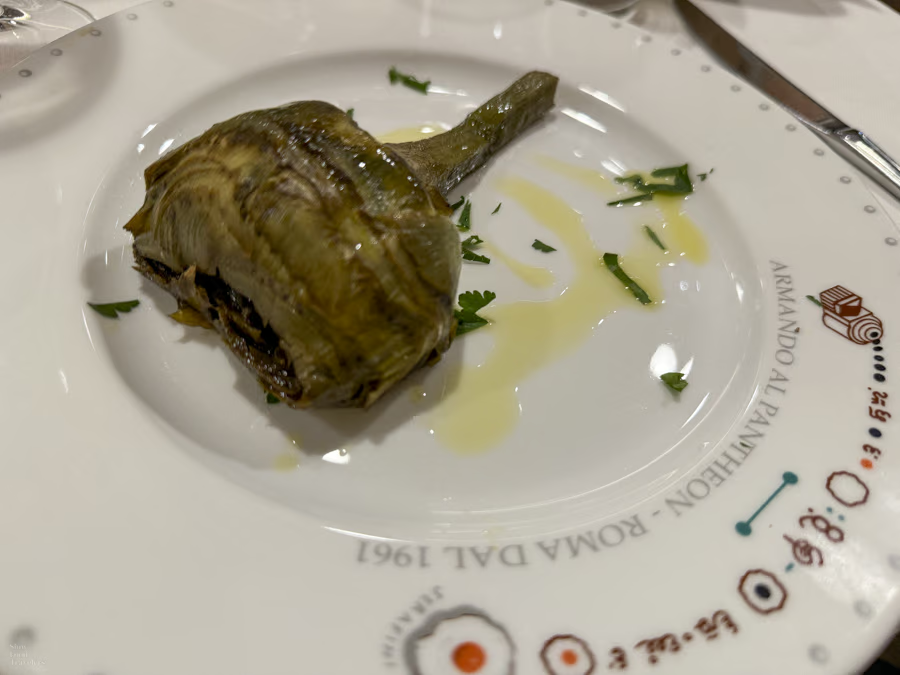
Armando al Pantheon is an institution for a reason. The Gargioli family has been serving up some of the city's best dishes since 1961. This is the place for Roman classics: rigatoni con la pajata and rigatoni all’amatriciana are perfection. Alongside the classics, the menu boasts creative options too. We suggest trying the bottoncino di pane con coratella d’abbacchio - heart, livers and lungs of lamb sandwiched between warm bread. It was incredible! Their selections of Cesanese wine are fantastic. They’ll even pour you a sample of the bottle made specifically for them. Finish off with their tiramisù - unlike any other we've tried. What could be better?
Osteria Fratelli Mori
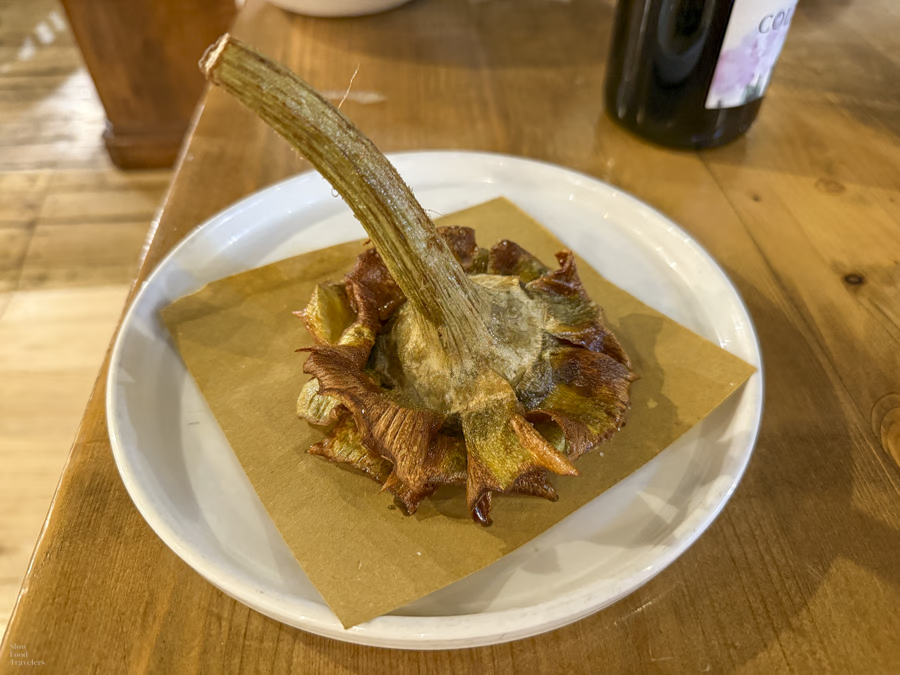
You can find this osteria in the Ostiense neighborhood. This is not an area you’ll find a lot of tourists, unless you’re going to a place that has Michelin accolades. Luckily for you, Osteria Fratelli Mori does not have a Michelin distinction (although the food is of that quality!). Come here for fresh appetizers, like the meatballs and the artichokes (when in season). Don’t skip on the pasta - while they offer all of the Roman classics, we opted for two of their specials that included a gnocchi with lamb ragu, artichoke, and mint that was divine. Make sure you check out the wine selection if you are in the mood to drink. Come here for a local, and family-friendly vibe!
Ercoli 1928 (Trastevere)
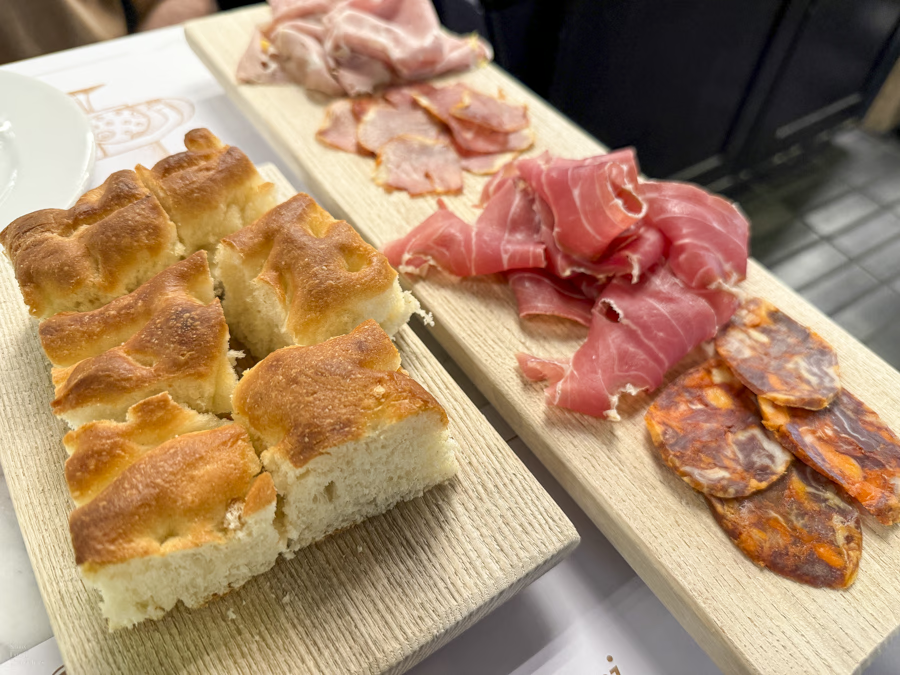
Ercoli 1928 receives mixed reviews online, most stemming from comments that the restaurant is expensive. We aren't sure why, as we found it to be the same price point as Roscioli in Centro Storico. While we enjoyed the food at both places equally, Ercoli 1928 isn’t overrun with the massive crowds that you get in Centro Storico (we dined at the Trastevere location). This made our dining experience more pleasant (and spacious!). The deli counter is massive, with an incredible selection of meats and cheeses. If you’re undecided on what to choose, they have a board with mixed cold cuts that you won’t be disappointed by. The pasta dishes offer great pork choices like ragu di suino nero (Black pig). And, as a recurring theme you’ll find in Roman desserts, the tiramisù here is delicious. There are two more locations in the north part of Rome as well!
L’Elementare
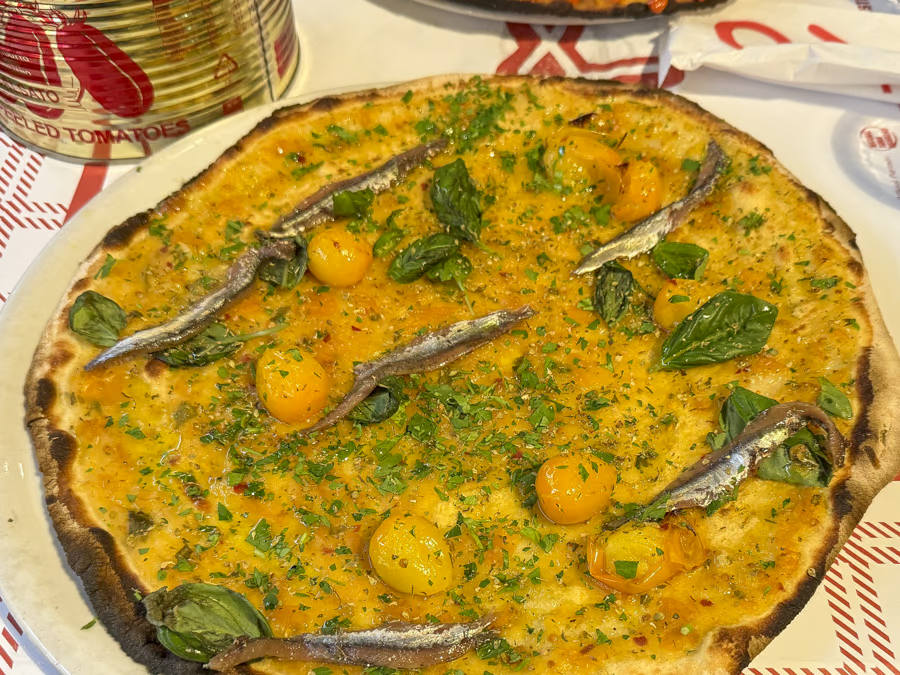
L’Elementare is a local Roman favorite. They use high quality ingredients that make a huge difference in the quality of their pizza! We preferred going here over some other well-known places in Trastevere for this reason. We also enjoyed the less chaotic atmosphere and great service. While they have multiple locations, it's quite the popular spot, so make reservations at your preferred location ahead of time online! Opt for the Marinara Doppia - the sweetness of the tomatoes paired with anchovies are a delicious combo!! And save room for tiramisù - this ended up being one of our favorites on the trip.
Trapizzino
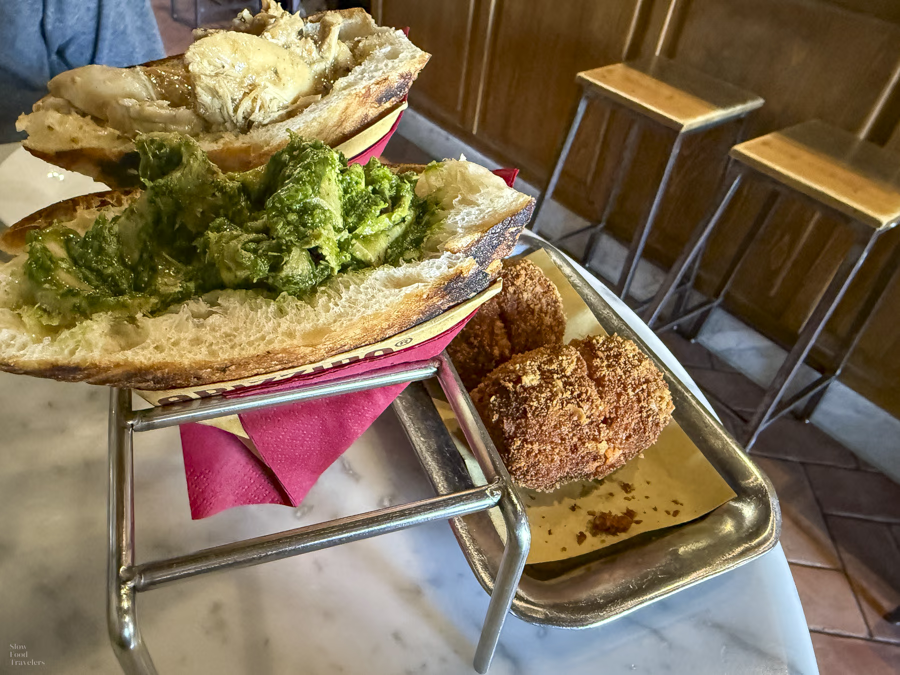
Incredible, fast, cheap and tasty Roman street food. We have one favorite here - the chicken cacciatora. I used to have something of a similar name growing up in the United States in the 1980’s that made me fearful of trying this flavor at first, but I overcame that and was glad that I did. It’s a great choice and cheap eats! We went to the Trastevere location and the Testaccio location. The Testaccio one had no line when we arrived and was much more calm! The Trastevere location had a huge line before it opened, but they moved quickly and got everyone seated promptly.
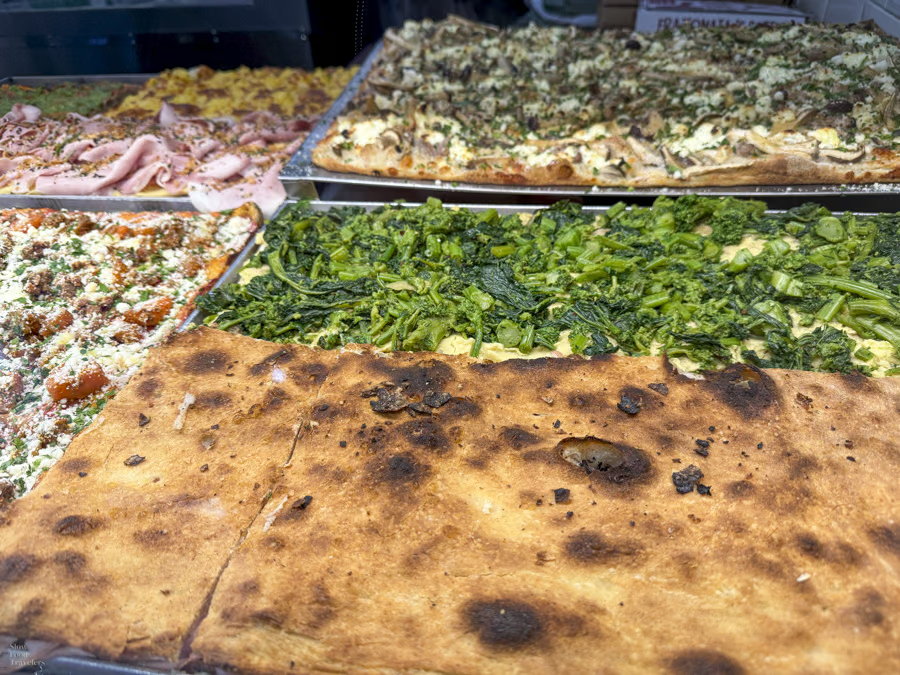
RUVER Teglia Frazionata
While Rome may not be as famous for pizza as its southern neighbor, the city has a thriving pizza scene all its own. Rome is especially known for pizza al taglio, or “pizza by the slice.” What does that mean? It means that you choose how much pizza you want, and the price is calculated by weight. Our favorite is RUVER, just a 10-minute walk south of the Colosseum—perfect for grabbing a quick, delicious bite. Afterward, take a stroll around the nearby Circo Massimo for a scenic and historic backdrop to your pizza stop.
Mercato di Testaccio
Mercato di Testaccio (Testaccio Market) is just far enough from the city center to avoid the heavy crowds of places like Campo de' Fiori, yet still close enough that you’ll occasionally see city guides and food tours passing through. The variety of shops is fantastic, making it the perfect spot to pick up fresh ingredients—especially if you’re staying nearby with access to a kitchen. We stopped here multiple times for groceries, but our favorite stop was Corrado al Banco 18, known for its excellent selection of natural wines and fresh pasta.
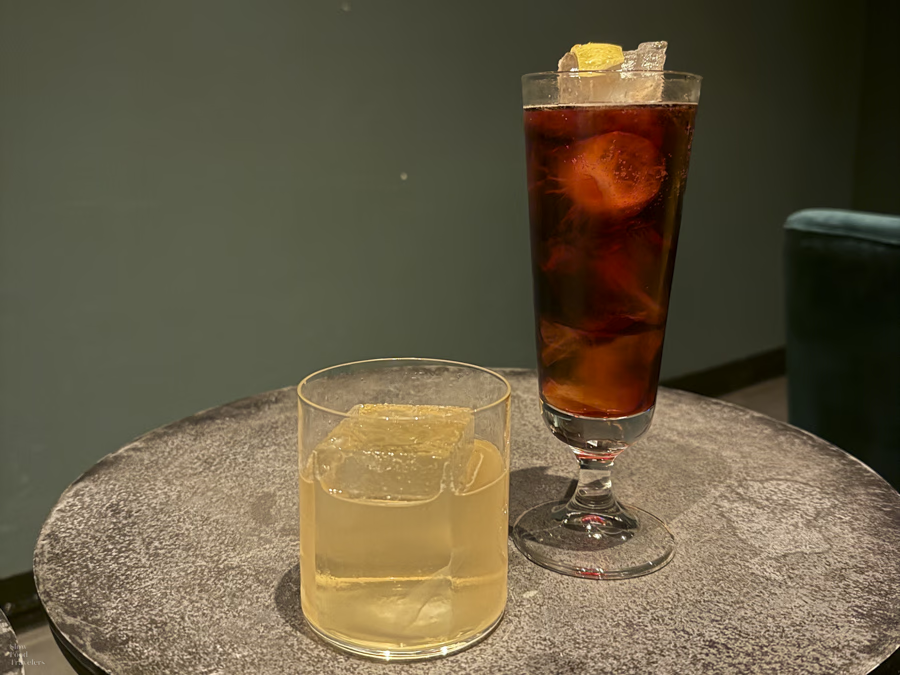
NODO
If you’re in the city center (centro) and craving a great drink, NODO is the spot to visit. Just a short walk from major landmarks—4 minutes from the Pantheon, 5 minutes from Piazza Navona, and 10 minutes from the Trevi Fountain—it’s perfectly located yet refreshingly non-touristy. Most bars in the centro feel like tourist traps. We assumed that was true, until we discovered NODO. With an extensive cocktail menu and a moody, stylish interior, it’s the perfect place to unwind. Don’t sleep on this place.
Latteria Trastevere
Latteria Trastevere is a cozy wine bar in the heart of Trastevere, known for its fantastic selection of wines from across Italy and a delicious aperitivo menu. We stopped in for an Americano cocktail and a plate of freshly sliced meats before heading to dinner. It was the perfect start to our evening. Whether you begin or end your night here, arrive early—or be prepared to wait! Both the indoor and outdoor seating are limited, and this beloved spot fills up fast for good reason.
Futura Gelateria
Head to Testaccio for some gelato at Futura Gelateria. You will probably see owner Leonardo hard at his craft making exquisite gelato. He uses incredible flavors using top-notch ingredients. The flavor options are endless - classics, vegan and dairy-free options, and special blends that are unique and you won’t find elsewhere (like mascarpone with chocolate cream and cocoa crumble!). This is one of our favorite 🍨 shops in all of Italy.
Otaleg! (Trastevere)
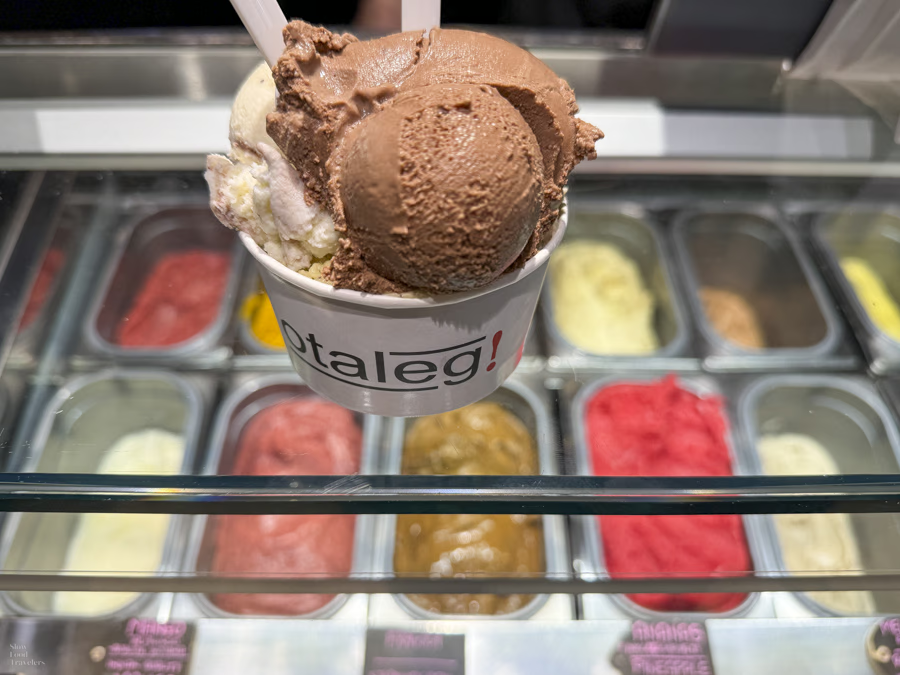
This gelato shop is widely known and talked about (Bobby Flay is one of the many that has raved), so depending on when you’re in Rome, it might be a bit busy. We recommend going during off hours if you are able to, or be prepared to wait! There's also the location in Monteverde, which is further out, but likely less tourists than in Trastevere. Otaleg! (gelato spelled backwards) uses a ‘less is more’ mindset, and uses as few ingredients as possible - no additives or extra sugars! They have all of the classic gelato flavors as well as some of the most creative options you have ever seen.
Rome is one of the most visited cities in the world, and its iconic landmarks draw crowds from across the globe. When visiting these sites, expect lines and larger crowds! It’s nearly impossible to avoid, and understandably so. These historic sites are incredible. Our advice: aim to visit during off-peak hours or less busy times of year (though we know that’s not always possible!). With these classic sites, there can be an overwhelming amount to see and navigate. In this case, we highly recommend booking a tour guide to get the most out of your visit - both from the history perspective and the guides’ expertise in navigating the crowds.We've also included some of our 'off the beaten path' recommendations.
Rome is the #1 travel destination in Italy. It has a rich history and a huge cultural influence on the world today. With so many visitors to a major metropolitan city, calling anything off the beaten path is a bit of a stretch, but these places are going to be less well known and typically have less crowds.
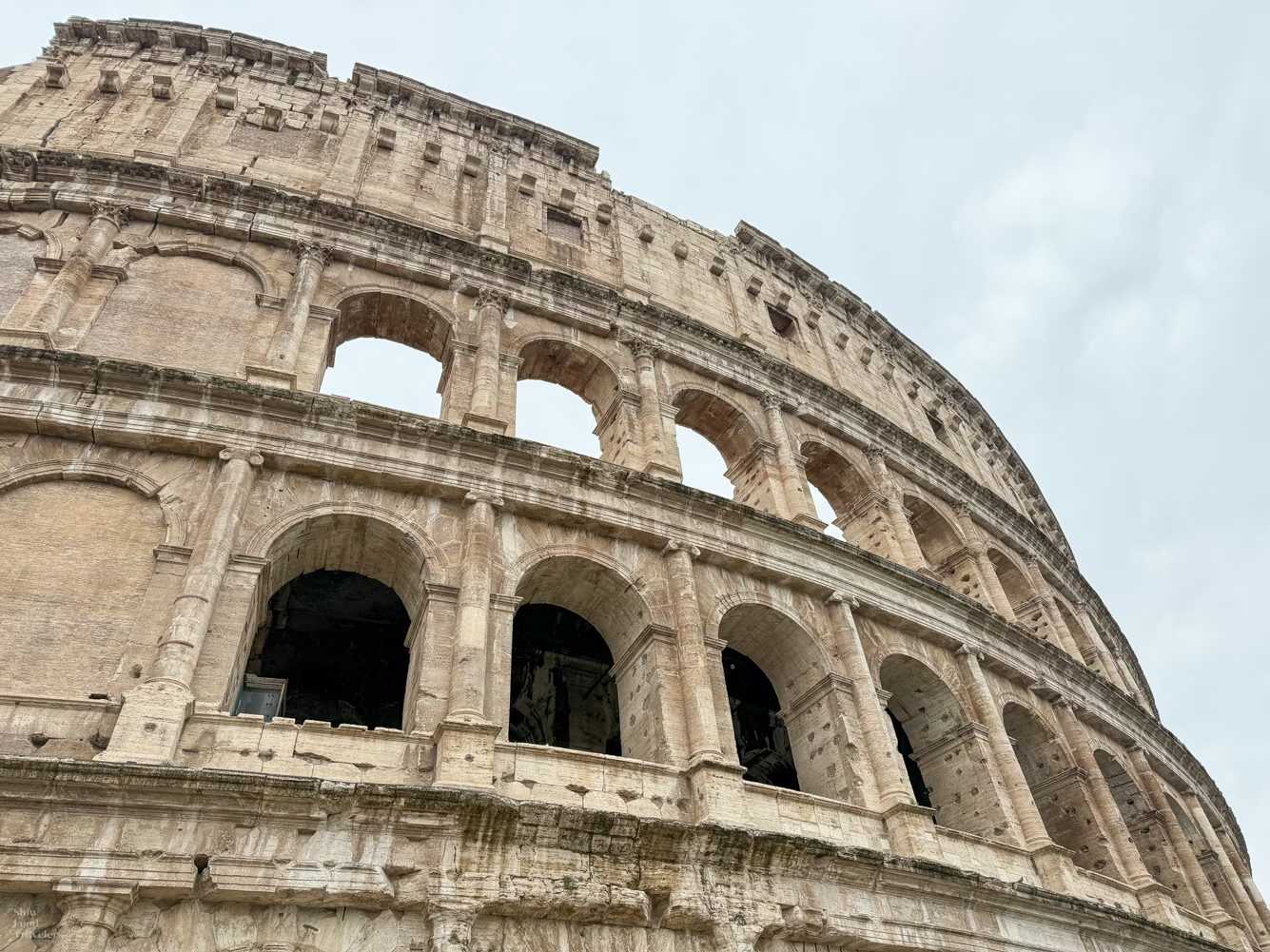
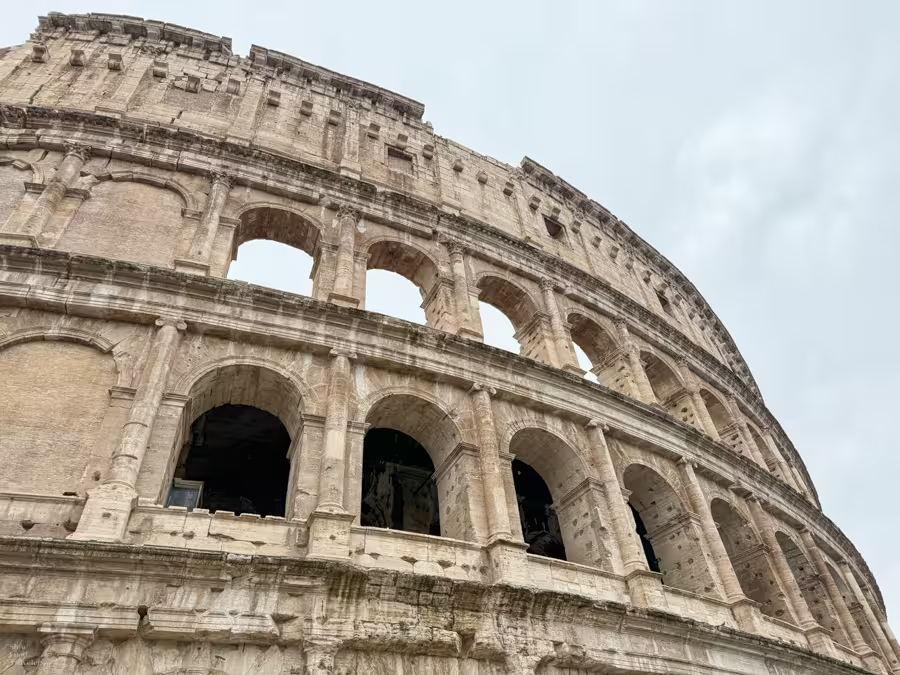
Colosseum
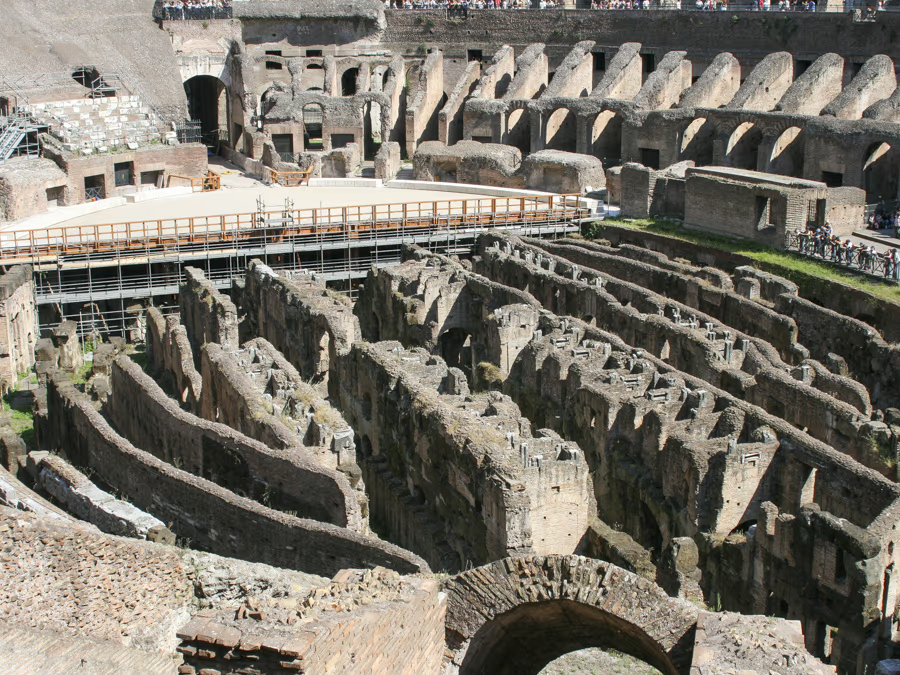
The Colosseum is an incredibly impressive structure and part of the even more remarkable Roman Forum, the vast excavated area you can see just outside its walls. It’s worth experiencing the Colosseum both inside and out, and we highly recommend taking a guided tour. There’s so much to learn about this awe-inspiring monument — a structure that has stood for thousands of years and continues to reveal new discoveries even today.
Pantheon
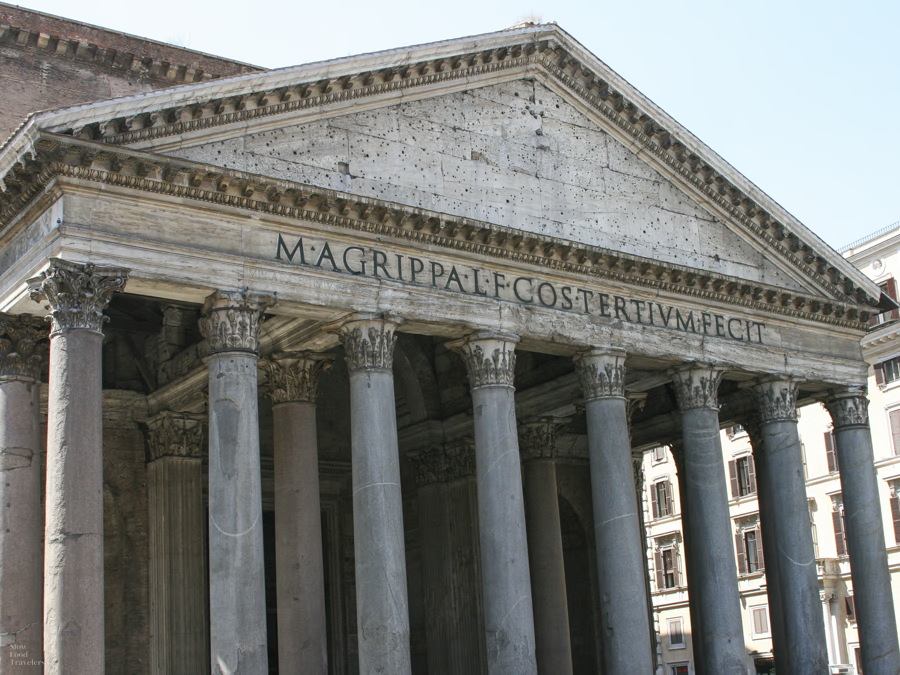
The first time you walk up to the Pantheon, it defies the senses. How is this structure so old, yet look to be in such good condition? How is a structure built over 1,900 years ago so timeless? How has it been in continuous use as a religious place of worship over the centuries, and still is to this day? Then, when you go inside, all of the awe and wonder will continue. How did the original engineers build this? How is it they were able to use natural light so well? As you can probably tell, the Pantheon brings us wonder and delight even after multiple visits.
Trevi Fountain
As far as historical landmarks in Rome go, Trevi Fountain might as well be “new”. Completed in 1762, the Baroque era fountain is the end of the Acqua Vergine, an operable aqueduct since 19 BC (so a bit older!) that is still in use today. What makes the fountain so famous are the sculptures and the structure that ordain the aqueduct. With over 3.5 million visitors a year, on what is a very small site, be aware there will be crowds no matter when you go.

Villa Borghese Gardens + Borghese Gallery
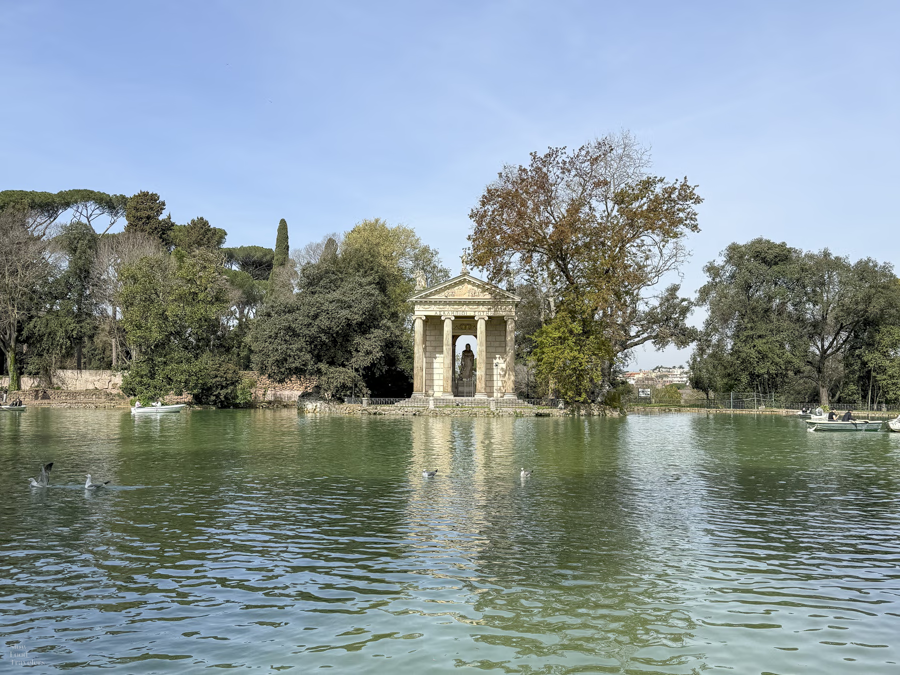
When you’re at the Villa Borghese Gardens, you’ll feel like you’ve been transported kilometers away. This park is over 80 hectares (about 20 acres) in size - large enough to where you’ll forget for a few moments that you’re in a city of over 4 million residents (and that doesn’t include the tourists!). There is plenty to see and do in and around the park; multiple villas, gardens, and even a zoo. The green spaces are a lovely break from all of the city's concrete. If you are an art lover, be sure to visit the Borghese Gallery. You will need to book your tickets in advance as it fills up quickly!
Vatican City
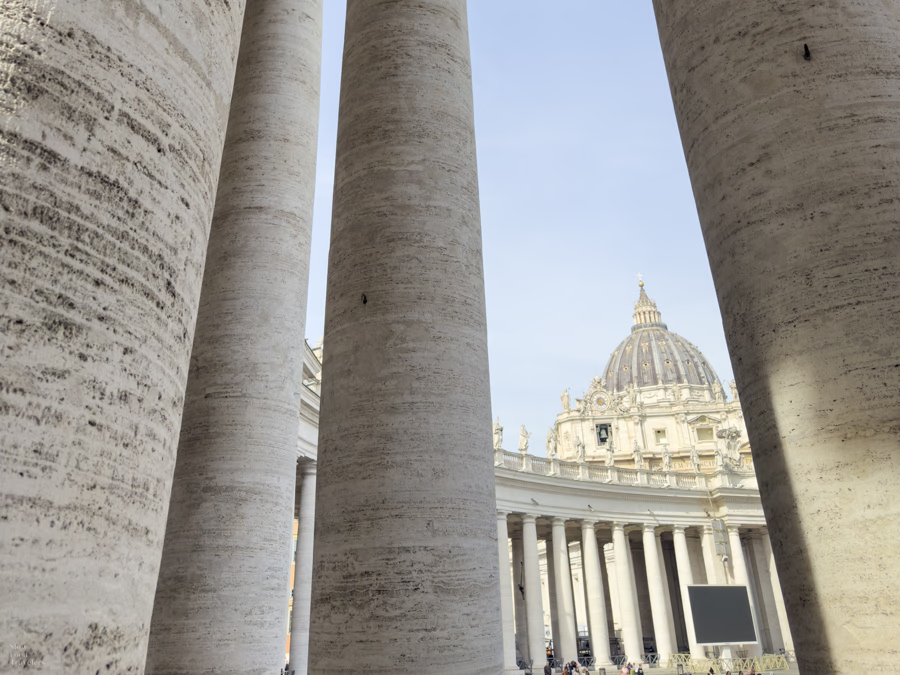
Both a sovereign country and a city-state, the Vatican is known worldwide as the center of the Roman Catholic church and where the Pope resides. Inside the walls of Vatican City are many landmarks and places of interest, including St. Peter’s Basilica, the Sistine Chapel, and the Vatican Museums. It’s possible to spend several days exploring this area alone. Beyond the religious significance, some of the world's finest works of art are located here, including famous architecture, paintings, and sculptures. Due to the large number of daily visitors, we recommend purchasing your tickets well in advance and opt to skip-the-line!
Aventine Keyhole
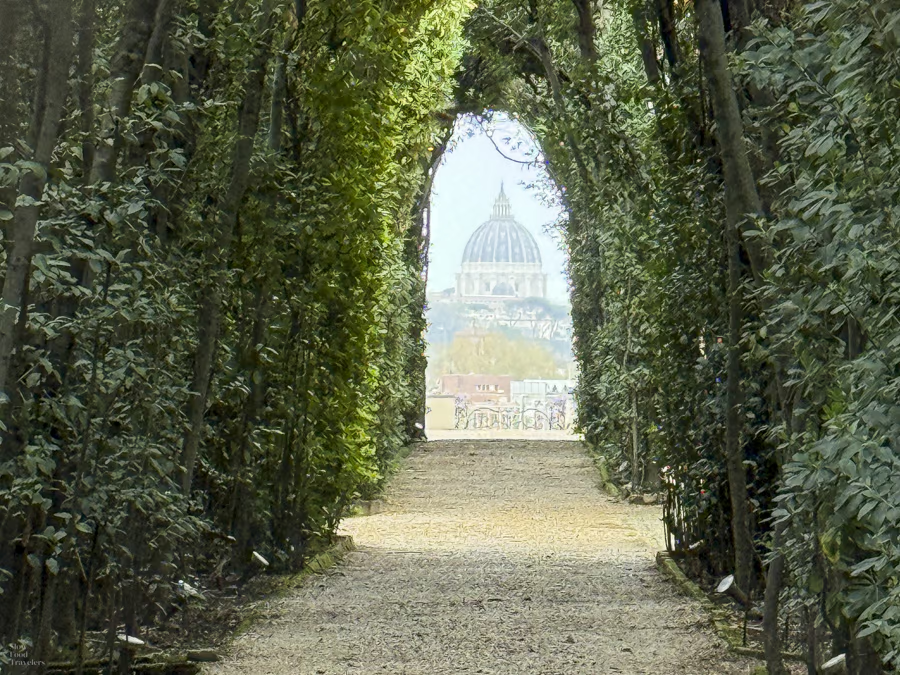
Aventine Hill, one of the city’s seven hills, isn’t located near many iconic landmarks. So why does it draw attention? Because of one very special keyhole with the best view in town. While this spot does get plenty of visitors (especially during peak travel times), it isn’t nearly as well-known, which is why we’ve included it here. Whether by chance or extremely thoughtful design, through this tiny keyhole you’ll find a perfectly framed, hedge-lined view of Saint Peter’s Basilica. It’s a simple curiosity, but one of those magical little moments that makes Rome..well, Rome. While the experience itself is brief, it’s a very unique one! It's incredibly difficult to photograph or record a video of what lies beyond the door. This is often what takes the most time and why a line forms! We recommend going early in the morning or during the shoulder season to avoid long lines. Best of all? It’s completely free!
Orto Botanico di Roma (Botanical Garden of Rome)
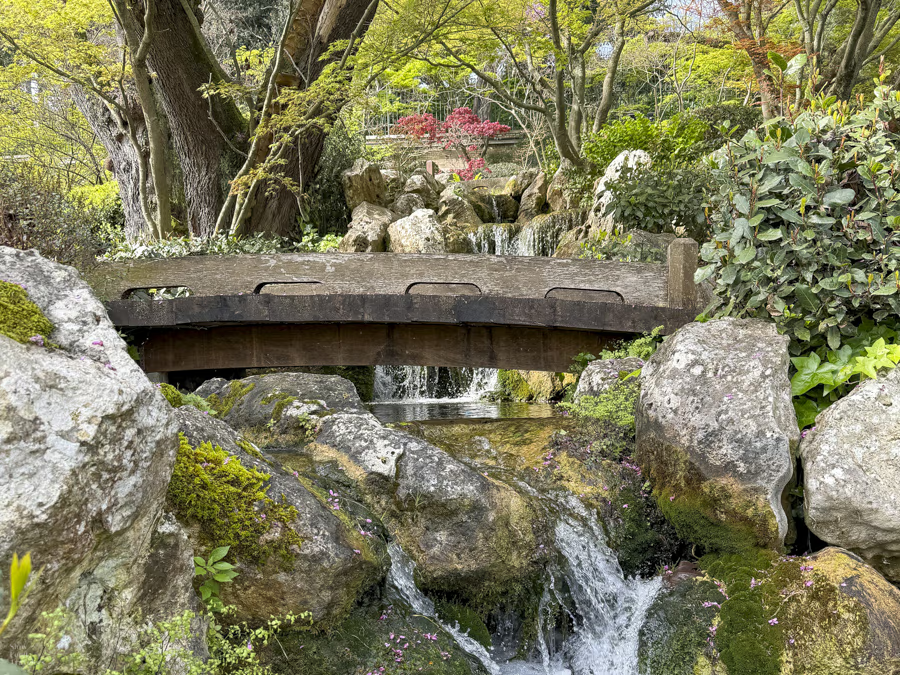
Botanical gardens are something we love to explore. In large cities with a lot of moving vehicles, finding green space makes for a wonderful break (kinda fits our slow travel mindset, too!). This one is part of the Plant Biology Department of the Sapienza University of Rome. With over 2,500 species spread over 12 hectares of space, this garden makes the city melt away when you need respite from the crowds. Our favorite area is the Japanese Garden. It’s a bit of a climb to get up there, but it’s worth the hike (and the city views!). Be sure to make the short detour to the Fontana dell-Acqua Paola after your visit (see below for more). Tickets can be purchased at the entrance for a small fee.
Fontana dell'Acqua Paola
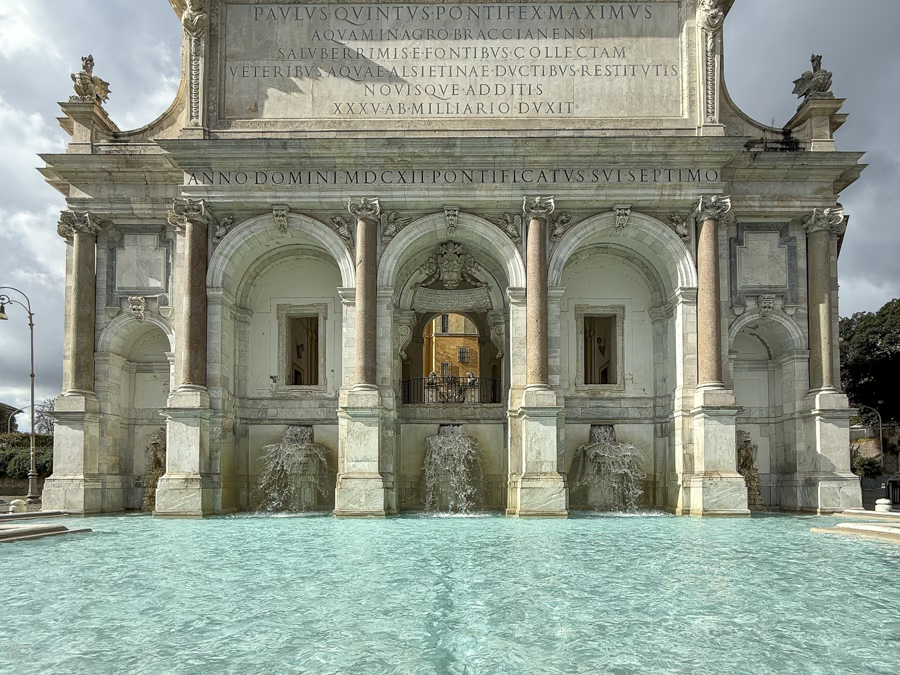
There’s more than one beautiful fountain in Rome, and Fontana dell’Acqua Paola deserves a look. Built in the 1600’s, this granite and white marble structure looks much younger than its age. Added bonuses: the Fontana is lit up at night, and with it being on a hill, you get great city views. The fountain is located near the rear of the Botanical Gardens, so you could do both of these in a single visit. This fountain is free and not nearly as visited as Trevi Fountain (and it's just as charming and grand)!
Ex Mattatoio (The former Slaughterhouses)
Rome owes a lot of its food history, along with the Testaccio neighborhood, to Ex Mattatoio. Built in the late 1800s to replace the previously more centrally located slaughterhouses, this was the largest slaughterhouse in all of Europe. It was the food engine that powered all of Rome. The workers had nowhere to live, thus Testaccio grew up around it. The workers couldn’t afford the meat they butchered, so they received portions of the pay in quinto quarto (literally the fifth quarter), thus the tradition of offal meats was created. The slaughterhouses closed in 1975, and now are being reimagined. There is an art school and a free museum space in one of the old slaughterhouses and is continuing to have renovations. This is a great place to have a stroll on the way to the Testaccio Market.

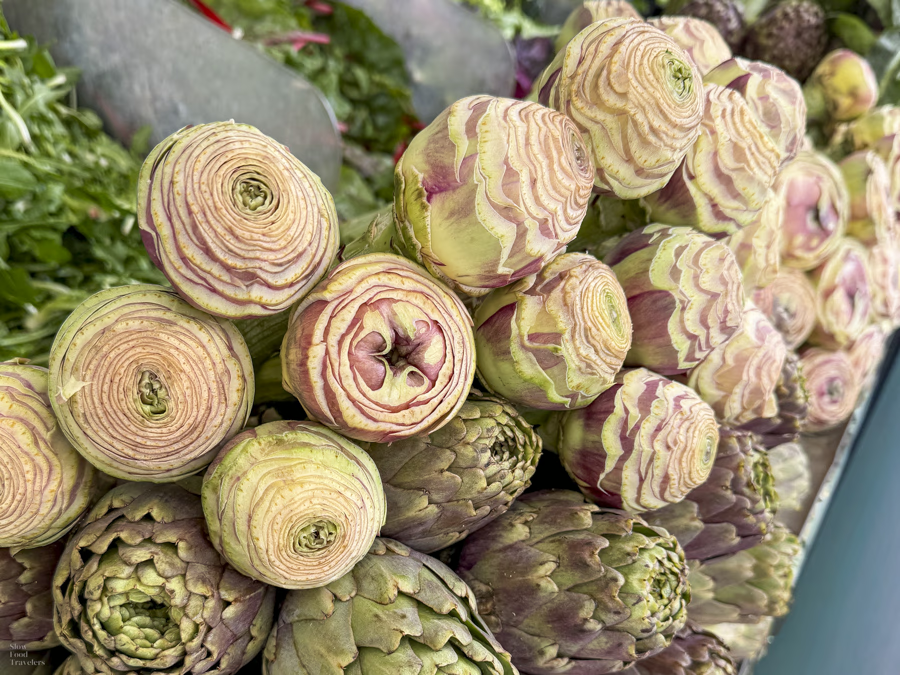
Artichokes
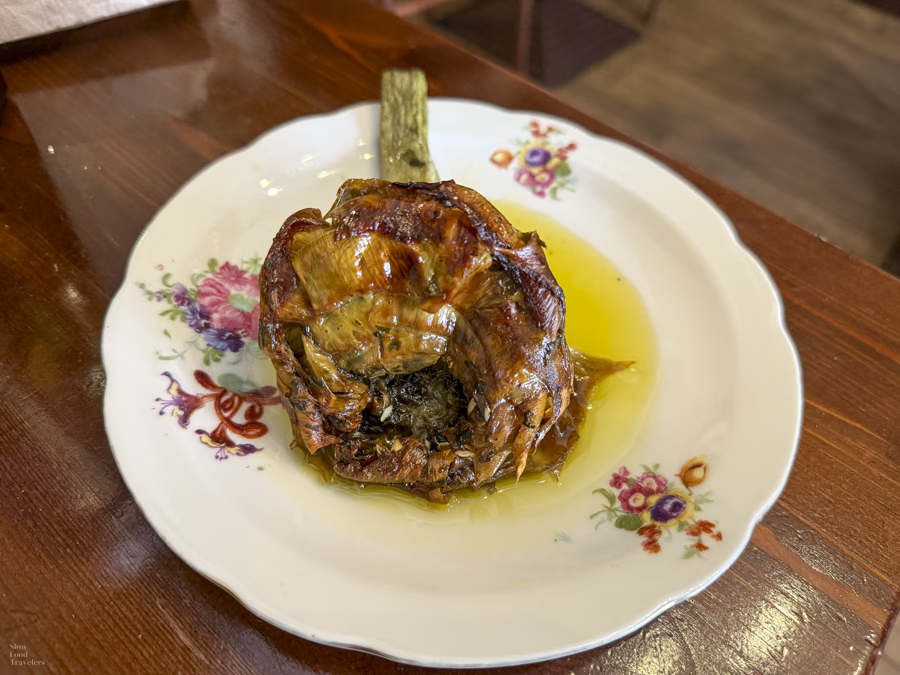
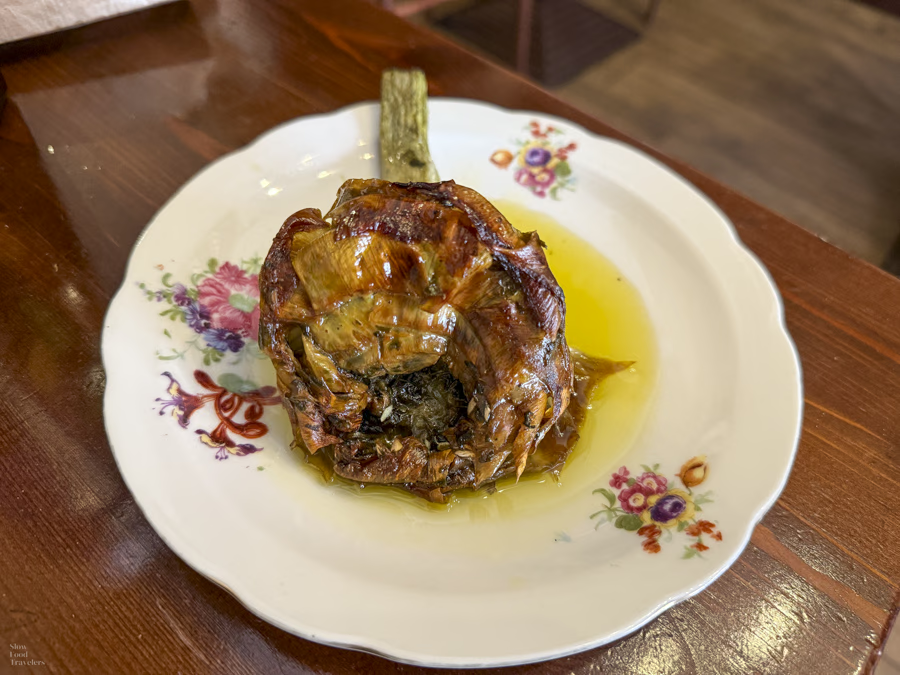
When artichokes are in season (from late February to early May), you will find two artichoke dishes common on menus throughout Rome: carciofi alla romana and carciofi alla giudia. Carciofi alla romana is pan braised, while carciofi alla giudia is deep-fried. Both are delicious, and fully edible; not something we’ve experienced in other areas of the world!
Carbonara
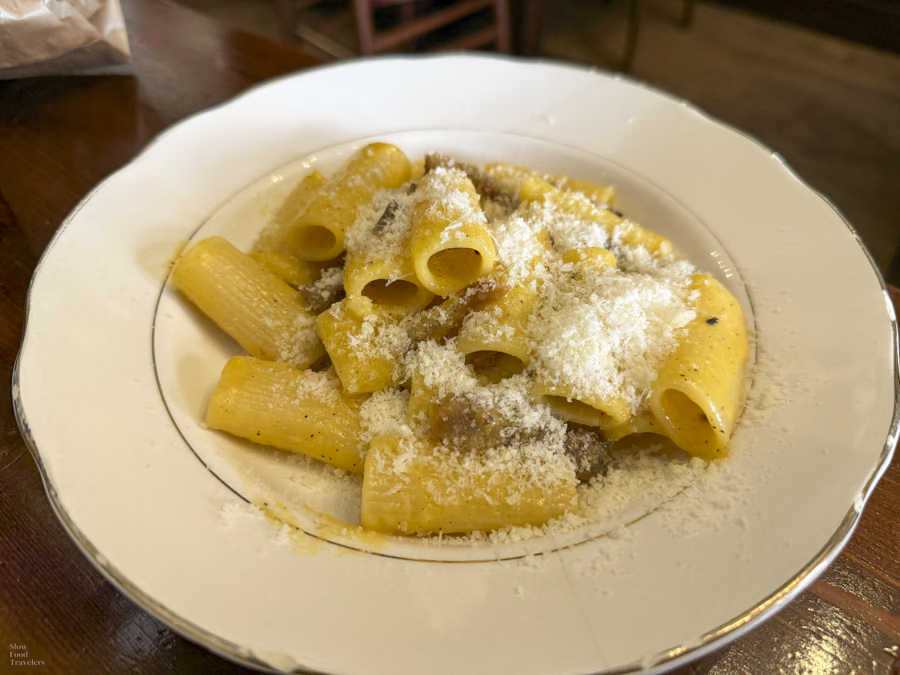
A pasta dish that you may have heard of before, but its history comes from Rome and there’s no better place in the world to have it. Carbonara is a simple dish with few ingredients (guanciale, pecorino romano, egg yolks, black pepper, and pasta); this means the very best in the city come down to the talents of the chef and the quality of the ingredients. This one is high up for multiple times of eating every time we’re in Rome.
Amatriciana
With the same base meat (guanciale) and cheese (pecorino romano) as carbonara, amatriciana adds tomatoes (and a few other ingredients based on the chef) and takes away the egg yolks. Just these small differences make a world of difference in taste. It’s really hard for us to choose between the two; we often get one of each and share!
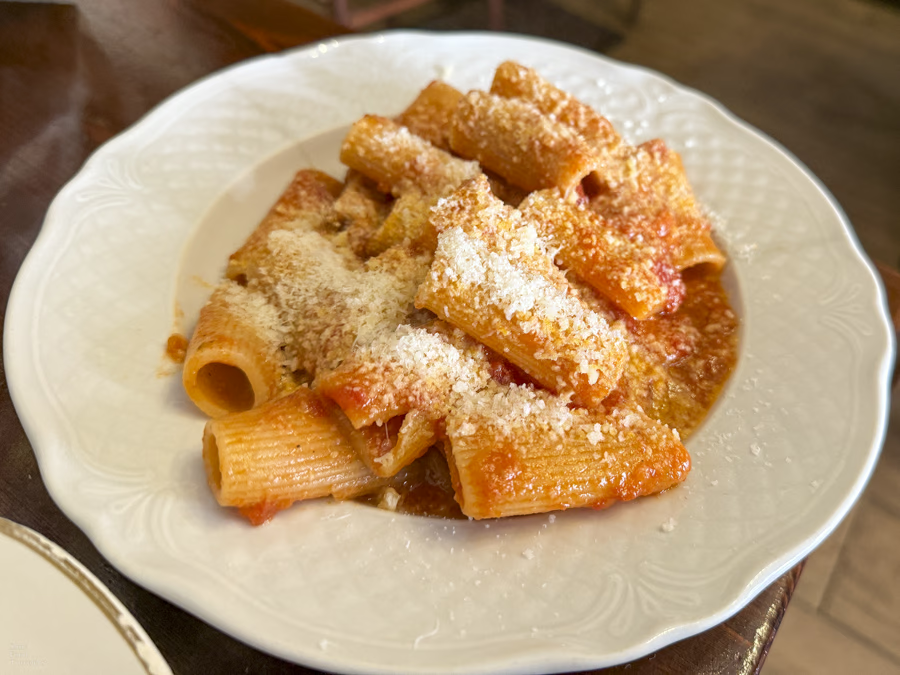
Cacio e Pepe
To translate literally, cacio e pepper means “cheese and pepper”, which is exactly the type of pasta you’re going to get. Sounds simple? Anything but! We’ve tried to replicate it at home to no avail; when you get a great plate of cacio e pepe, you will be blown away and wonder how they’re able to make a pasta dish with so few and simple ingredients that taste so good.
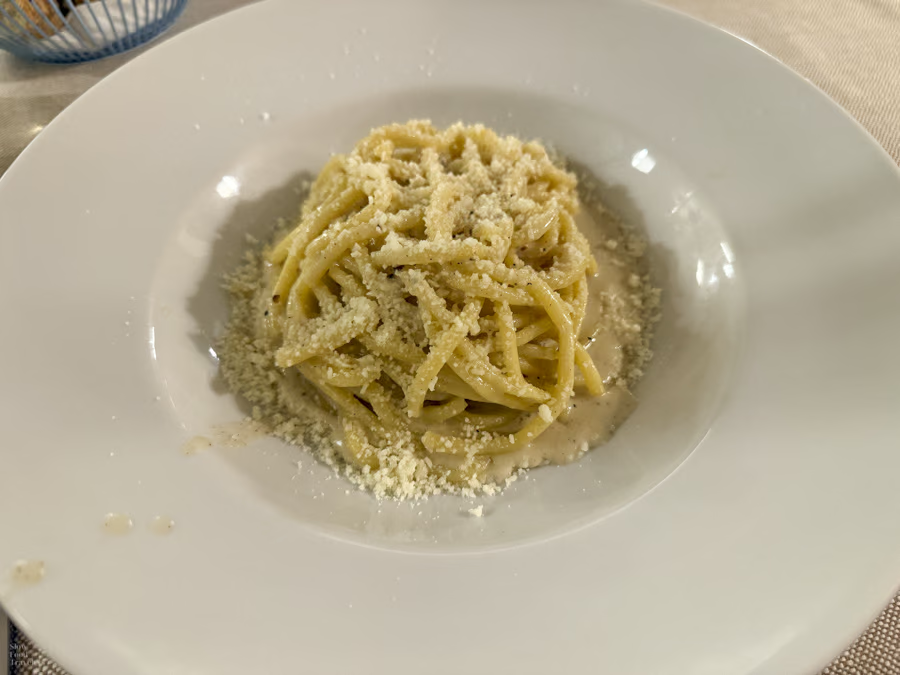
Pasta alla Gricia
Gricia is a classic Roman pasta made with just a few simple ingredients: pasta (traditionally rigatoni or tonnarelli), Pecorino Romano, black pepper, and guanciale (cured pork jowl). Known as the “mother” of Roman pastas, it’s the foundation for two other beloved dishes: Carbonara (add eggs) and Amatriciana (add tomatoes).
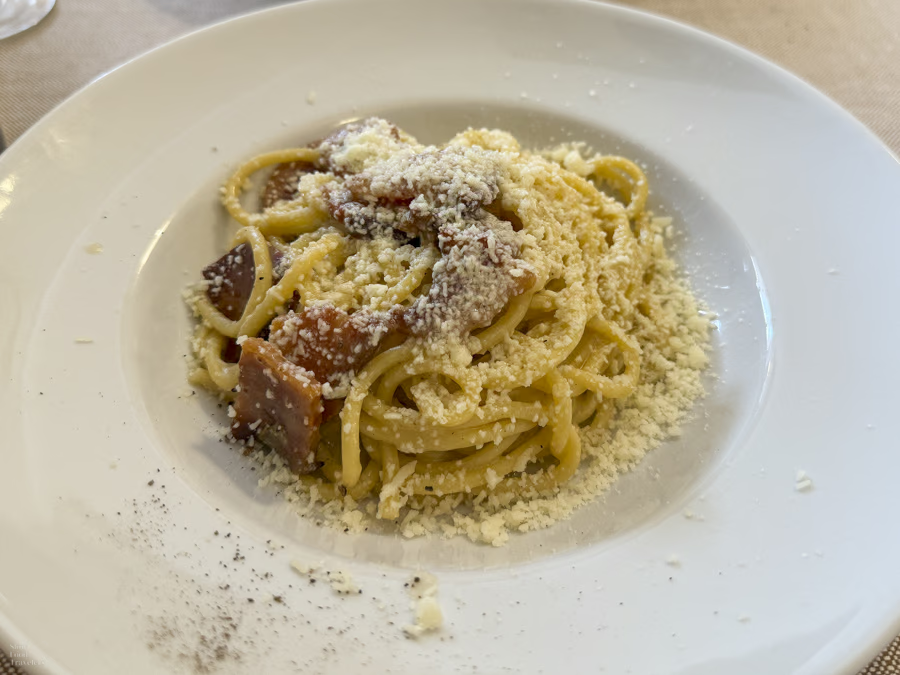
Pajata
Another Roman classic, pajata, is worth trying if offal doesn’t scare you. Pajata is made with the intestines of a calf that has only been milkfed by its mother. It is typically served over Rigatoni with a tomato based sauce, and when cooked, the milk in the intestines produces an incredible creaminess, making the dish both tangy and savory. This pasta pairs extremely well with Cesanese wine! It quickly became my favorite pasta to order, and Rome is THE place to try it.
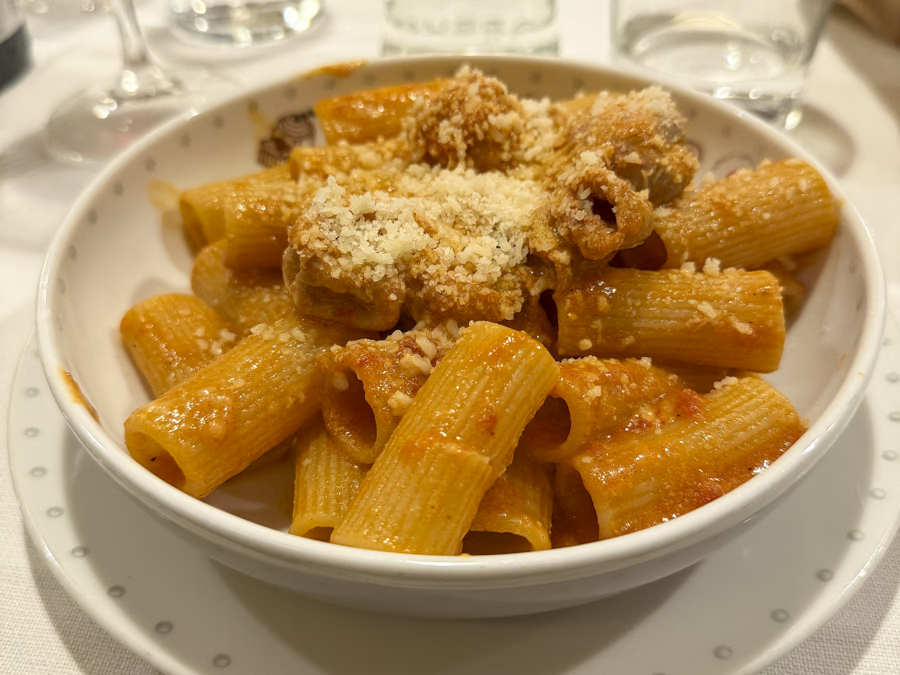
Oxtail Ragù (Coda alla Vaccinara)
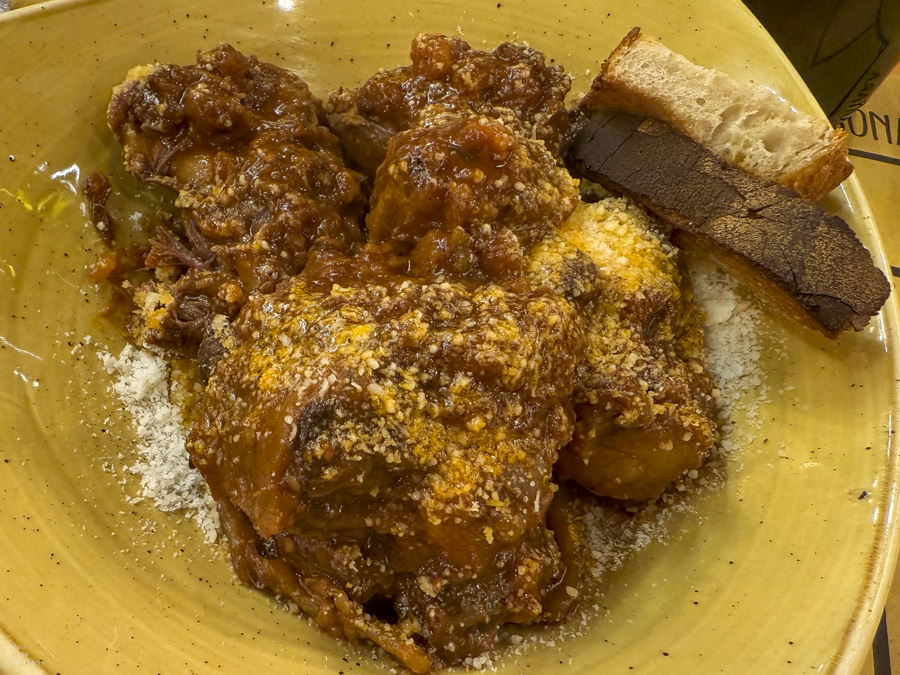
Oxtail Ragù (coda alla vaccinara) is Roman cooking at its finest. While it may sound adventurous to eat (it’s from a cow, not an ox), we urge you to try it while in Rome. Cooking coda alla vaccinara is not easy; it requires hours of patience. When cooked right (and many of the most well-known and well-regarded places in Rome do a fantastic job), it just is heavenly. It has a ton of rich flavor that we’re sure you’ll enjoy!
Cesanese Wine
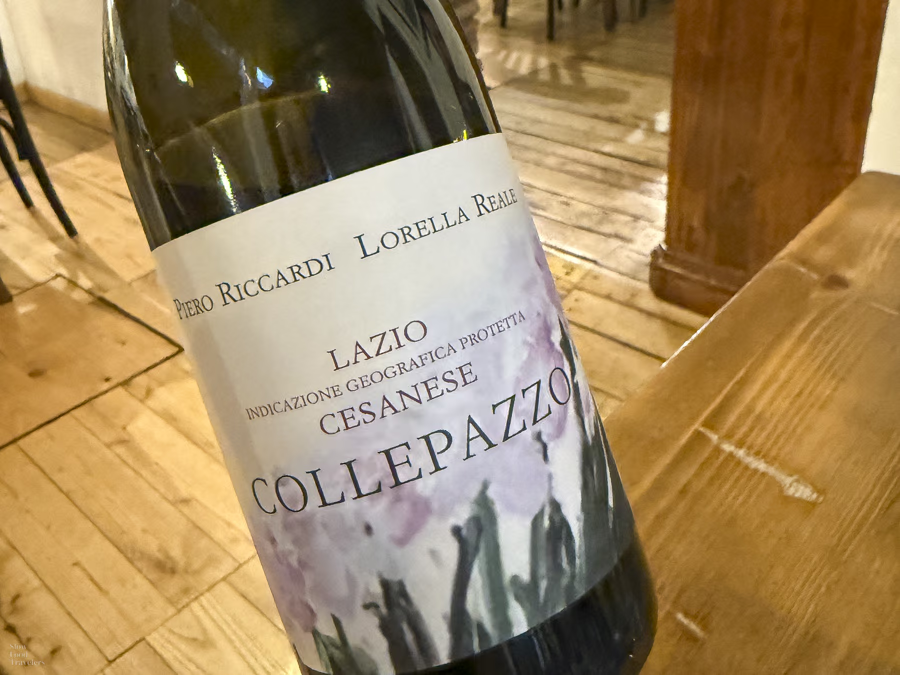
Cesanese is a red wine from Lazio, made from a grape with the same name. We had never heard of it before going to Rome, so it was a new experience the first time we ordered it - we were glad we did! It pairs very well with Roman cuisine, whether it be an offal dish or one of the pastas Rome is famous for. It’s a versatile red that we recommend you try for a wide variety of dishes (including seafood!).


Where will your next journey in Italia take you?