


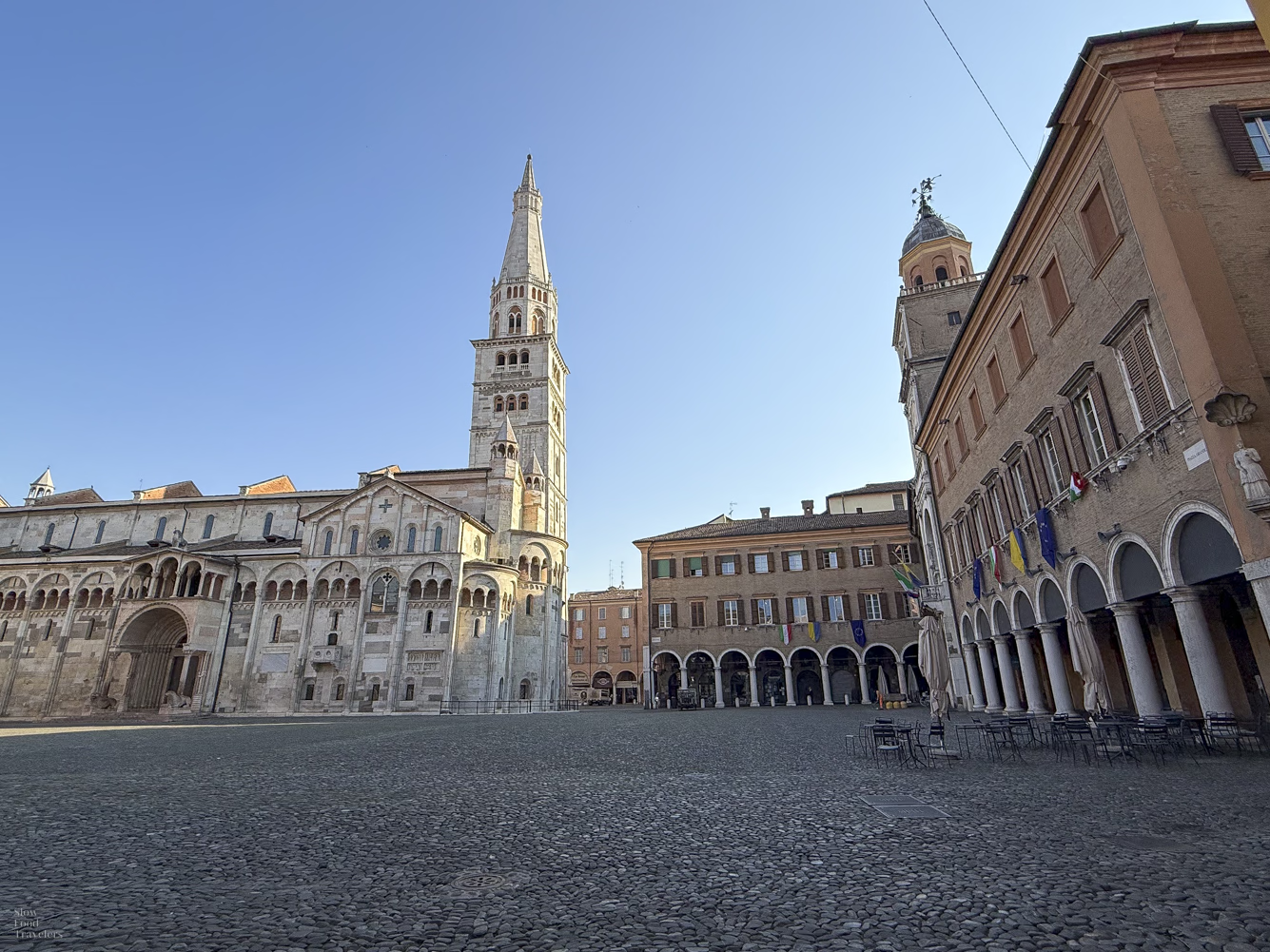
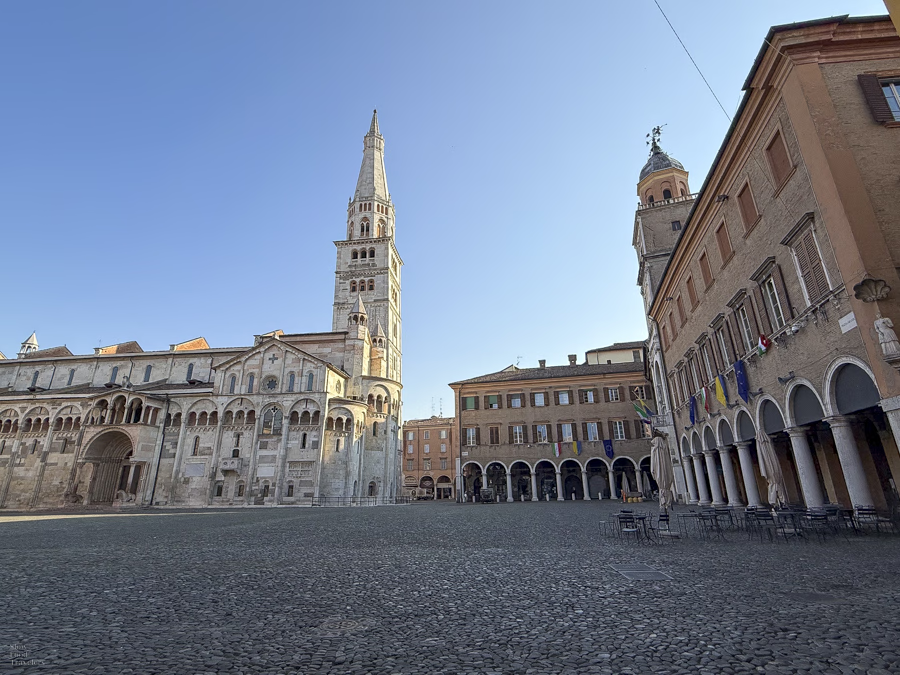
Modena sits in central Emilia-Romagna on the main route between Milan and Bologna, making it effortlessly accessible from either city by train or car (about 45 minutes from Bologna, 2 hours from Milan). With Florence to the south, Genoa to the west, and Venice within range to the northeast, Modena's central location fits easily into diverse northern Italy itineraries. With under 200,000 residents, it maintains a manageable small-town feel while offering genuine big-city amenities.
Modena's identity creates a fascinating contrast: this is a city that balances the fastest cars in the world with the slowest food traditions in Italy. It's home to Ferrari headquarters (Enzo Ferrari was born here), Lamborghini, Maserati, and other luxury car manufacturers. Formula 1 races annually in nearby Imola, and the Museo Enzo Ferrari draws automotive enthusiasts from around the globe. But we come for the food. Modena produces Traditional Balsamic Vinegar (Aceto Balsamico Tradizionale di Modena), following strict production guidelines similar to DOC wines and DOP olive oils. The real stuff is expensive and worth every euro. This is also home to Massimo Bottura, chef patron of Osteria Francescana, consistently ranked among the world's best restaurants and featured in Netflix's Chef's Table.
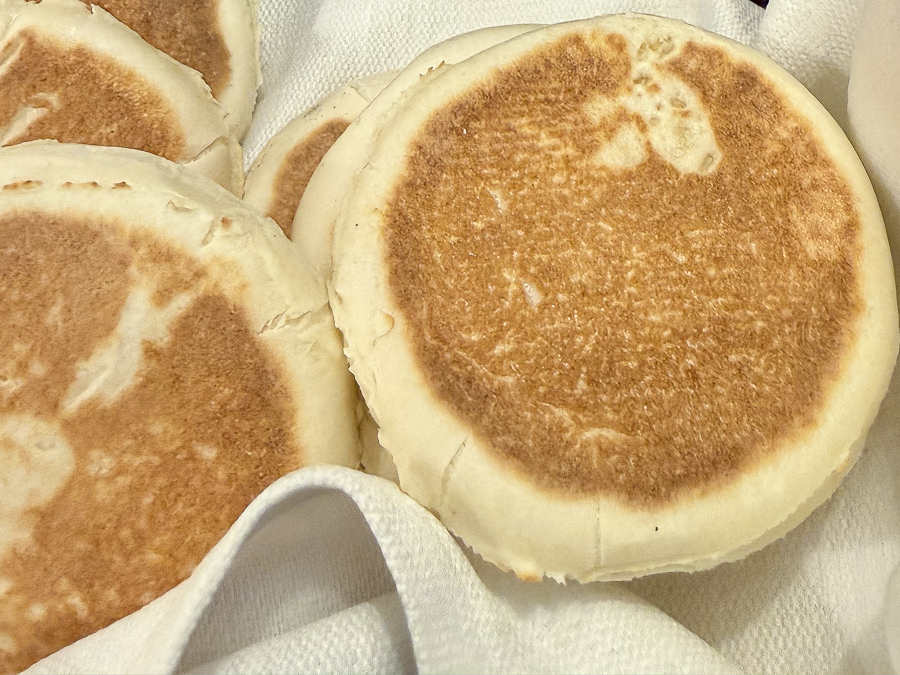
Come to Modena for authentic Emilia-Romagna cuisine and to taste the world's finest balsamic vinegar at its source. The covered Albinelli Market showcases the region's incredible ingredients: fresh pasta, Parmigiano-Reggiano, prosciutto, and seasonal produce. Traditional restaurants serve tigelle (small round breads) with lard and rosemary, cappelletti in broth, and cotechino sausage. Stay to explore the car culture if that interests you (the museums are impressive), but don't let the engines overshadow the real reason to visit: this is one of Italy's great food cities, where generations of tradition meet contemporary innovation. The combination of speed and slowness defines Modena in the most Italian way possible.
Private Tour of an Organic Parmigiano Reggiano Dairy Farm with Tasting
Go behind the scenes at an organic Parmigiano Reggiano dairy farm to learn how Italy’s iconic cheese is crafted, followed by a guided tasting.

.svg)
Parmigiano Reggiano & Traditional Balsamic Vinegar Tour
Discover culinary traditions with visits to a Parmigiano Reggiano producer and a traditional balsamic vinegar acetaia.
Combo Ticket for the Ferrari Museums in Maranello & Modena
Discover the history and innovation of Italy's most iconic automotive brand at the Ferrari Museums in Maranello and Modena.

Best Airport
Bologna (BLQ)
Looking for Airfare?
→ Compare Airlines and Flight Prices.
Estimated Time (Airport → City)
BLQ → Modena: ~35–55 min (car) / ~45–75 min (train, via Bologna Centrale)
Looking to rent a car?
→ Compare rates and reserve one here.
Main Train Station
Modena
Train Schedules & Fares
→ Compare prices and secure tickets here.
Need transportation to/from the airport or train station?
→ Schedule a Private Transfer.
Quick Tip
Fast connection from Bologna; great stop for food lovers.

Jump to:
Near Piazza Grande
Depending on the type of amenities you look for when you travel, we have some great recommendations on where to stay. If you prefer a bed and breakfast, we suggest this one. Located on a quiet, charming street, it's close to the city’s best restaurants, including Osteria Francescana. If you prefer a luxury accommodation, this 5-star hotel offers a spa, gym, and on-site restaurant. It’s also located in a very charming area of town and top rated (also here). Both accommodations are a short walk to Piazza Grande, the main square.


It’s surprising to us the number of people we run into that don’t know about Modena, much less the Modena food scene. To us, it’s one of the premier destinations - not just in Italy - but in the world. The amount of world-renowned chefs that are in Modena that consistently make themselves available to their patrons is unbelievable. From those that have spent decades honing their craft, like Massimo Bottura at several restaurants in town, Anna Maria Barbieri at Ristorante Antika Moka, to ‘newer’ chefs like Tomasso Zobili at Patrizia and Gioele Merli at Ad Maiora Ristorante, it’s easy to get up close and personal with some of the best chefs in the world here. It’s quite the restaurant scene here, to say the least!
Piccola Osteria Zemiàn
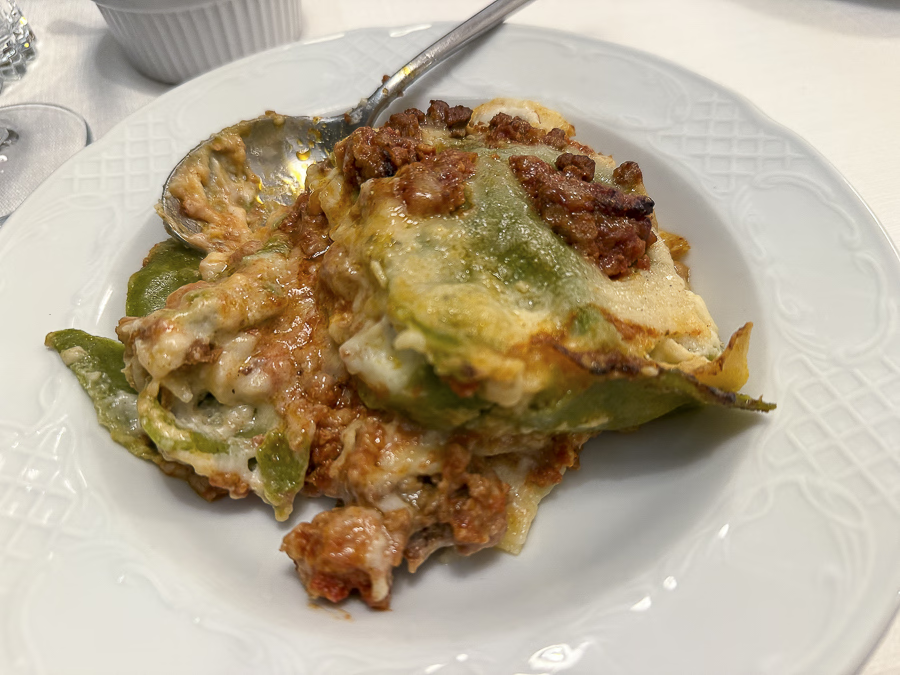
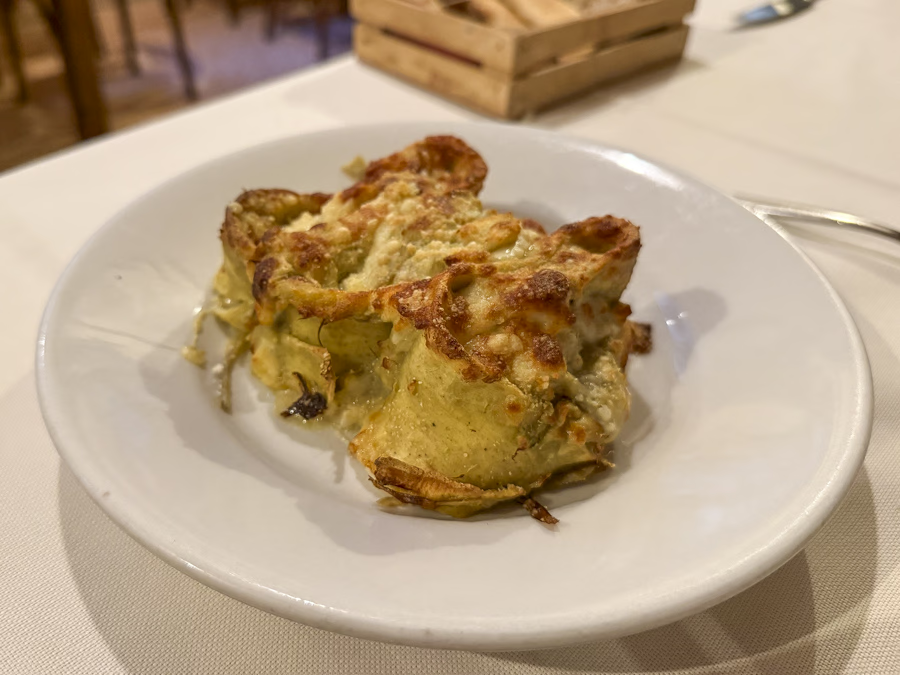
If you’re not paying attention, you may walk by Piccola Osteria Zemiàn and not even notice. Living up to its name (piccola is ‘small’ in Italian), Piccola Osteria Zemiàn reminds us of many famous places in New York City that have a narrow street footprint. This one is not to be missed! Beware - the food portions took us by surprise the first time we came here. We highly recommend getting the gnocco fritto e tigelle (see more in the What to Try section below), but when they say for 2 - it could have been enough for a full meal by itself! But of course, the pastas, like lasagna verde and the rossette (called Semplice, a Modena on the menu) are worth the calories. This place is worth the splurge and over indulgence in calories. Book ahead (there are no online reservations), as the small amount of tables fill up quickly!


Patrizia
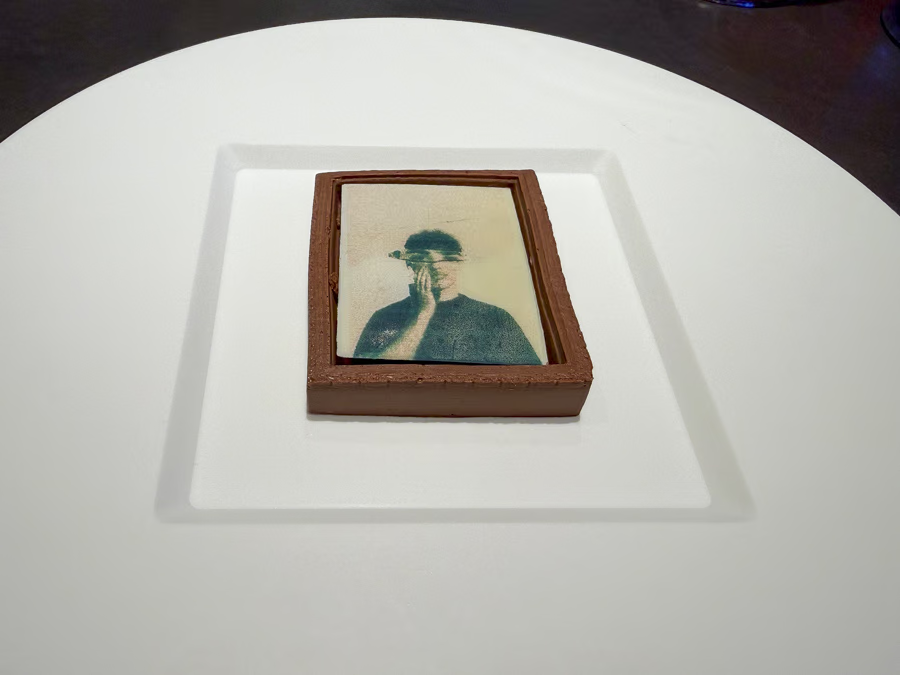
Patrizia’s interactive dining experience is like nothing we’ve been to before. While it has the familiar ‘chef’s table’ atmosphere with only 12 seats being served every night (aside from a private dining room for larger groups), the uniqueness comes from the storytelling that goes along with each course of Chef Tommaso Zoboli’s menu. The dishes are thought-provoking and creative, not to mention delicious. Every few months, the menu is recreated from scratch and based around a new theme. You can even follow the live countdown to the launch of their new menu that is hosted on their website! This is one you need to book well in advance.
Francescana at Maria Luigia
One of our favorite and most memorable dining experiences to date. Francescana at Maria Luigia (which is hosted at Casa Maria Luigia - the Bottura's previous home in Modena - and 3 Michelin Key hotel), offers the signature dishes from 3 Michelin Star restaurant Osteria Francescana. With a dining room that’s focal point is the kitchen and plating area, it makes for an interactive evening. Each course is explained to the group by the chef, with a story telling how the dish came to be. Massimo Bottura and Lara Gilmore both made an appearance to meet and speak with each of the dinner guests.

Franceschetta 58
A short walk from the city center, this modern bistrot is part of Massimo Bottura’s Francescana Family brand. Nicknamed “Osteria Francescana’s Little Cousin'', Francheschetta 58 puts a contemporary spin on traditional Emilian dishes. While you can order a la carte, the tasting menus here are great: one that introduces you to Modena/Emilia-Romagna, and one that steps outside of the classics. While we’d normally tell you to never order a hamburger in Italy - this is the place you make the exception (it’s no ordinary burger!). It’s a wonderful spot for lunch or dinner! The bright, quirky interior, friendly and attentive staff make the entire experience a hit.

Trattoria San Pietro
Trattoria San Pietro is the type of restaurant we hope to find. Opening in 2023 by Chef Marco Notari and partner Elisa (who is a delight), Trattoria San Pietro offers traditional Modenese cuisine, along with a slight touch of creativity. Their menu consists of all the regional Emilian classics like gnocco fritto, tortellini, and lasagna verde (just to name a few) - and are executed to perfection. There are also several daily specials to choose from, depending on what’s in season. They also have the best zuppa inglese we’ve had (and we’ve had a lot). The balance of sponge cake to custard was just right, and it was simply outstanding. If you’re going to eat at a trattoria in Modena, come here for an authentic, delicious meal.
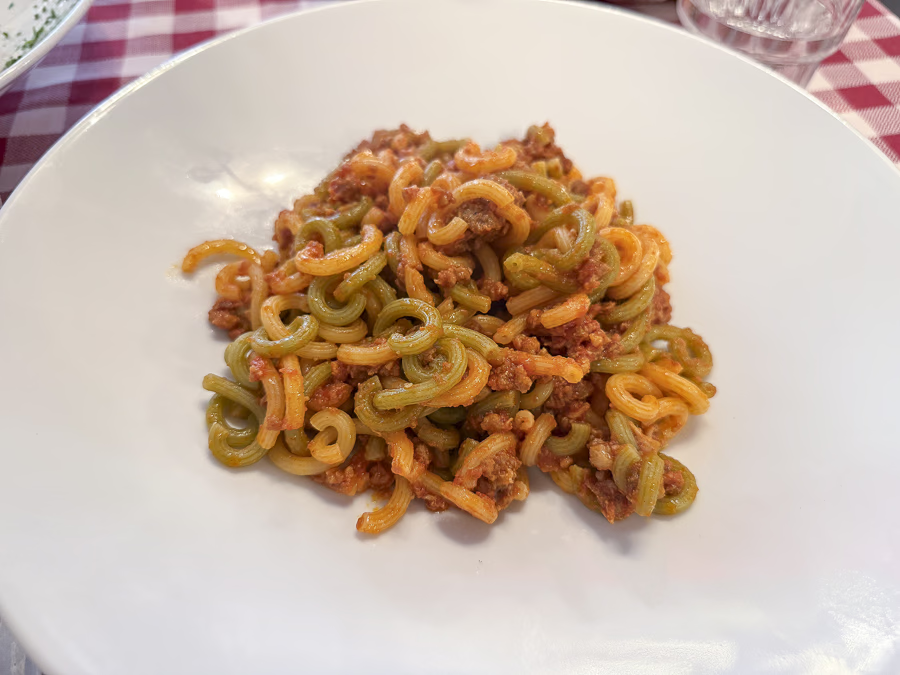
Antica Moka
Antica Moka is more than just a restaurant, it’s a destination. With a farmhouse vinegary for producing Traditional Balsamic Vinegar, and both the farmhouse and the restaurant offering rooms for overnight stays (including breakfast), there’s more than one reason to visit. But if all you can manage is a restaurant reservation, chef Anna Maria Barbieri will ensure you’ll be delighted by the time you leave. She’s been in the industry since the 1960s, and Antica Moka has been here since the 1980s. You’ll receive upscale Modenese food at its finest here, with impeccable service to match! Be sure to book ahead.
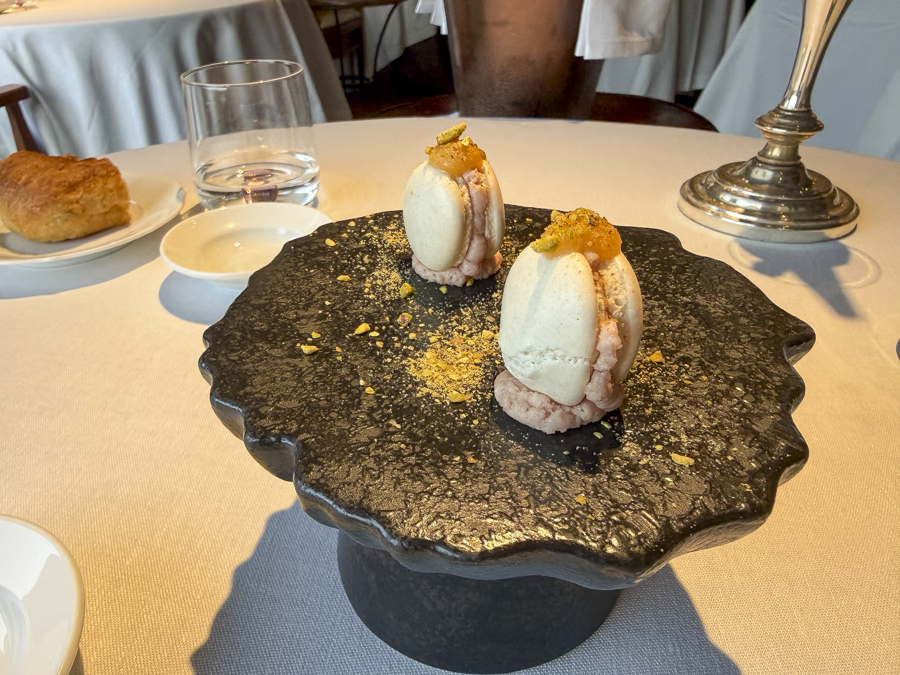
Ad Maiora Ristorante
Chef Gioele Merli showcases his extensive culinary expertise from his time in Japan, Australia, and London through Ad Mariora’s menu that combines Emilia-Romagna dishes with worldly influences. Alongside Chef Gioele is Chef Joe Dante, an expat from Chicago, with an impressive culinary background as well. The restaurant’s trio is concluded by maître, Sandro Rigillo, who brings a vast knowledge of wine and incredible hospitality. This is one of the best and most inventive restaurants in Modena. We especially like the Omakase menu that is only offered two times a month. In a very intimate setting, only 8 people are seated at the chef’s counter for the entire night. Plan your trip around this special experience and book well in advance!
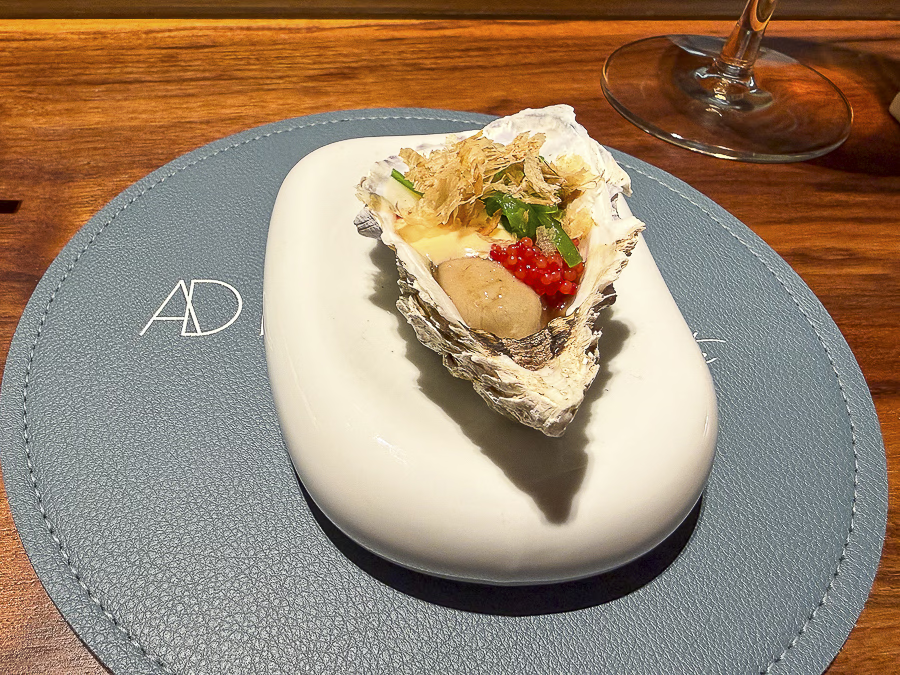
Trattoria Pomposa al Re Gras
If you’re looking for a place to dine with traditional Modenese cuisine, look no further than Trattoria Pampose al Re Gras. Their menu offers all the classic dishes that make Modena such a good food city. They also have off-menu specials, like bassotti, which is even more of a treat when you want to try something that makes the region special. This is also a place to save room for dessert. Try their panna cotta - it comes topped with traditional balsamic vinegar and their zuppa inglese! Both are absolutely incredible.
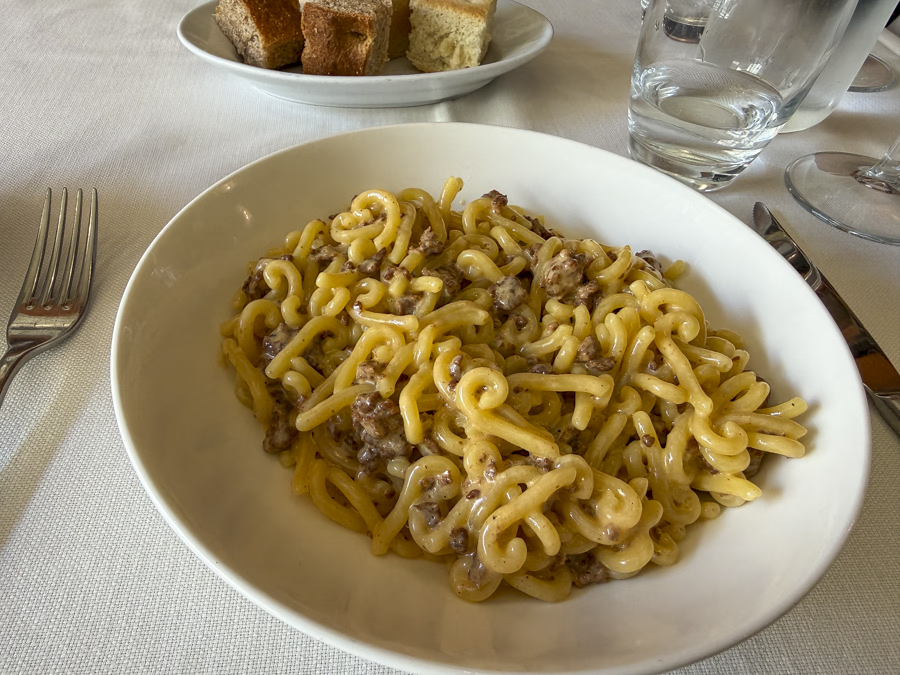
Hosteria Giusti
Hosteria Giusti’s history is long and storied.They trace their history back to 1605, when the Salumeria opened in the same location that exists today. To imagine ordering meats and cheeses in the same place as 10+ generations ago is an experience! In addition to being a salumeria with a 400+ year history, Hosteria Giusi also has an intimate dining room (only 4 tables and maximum 24 people!) where they serve a menu of traditional Modenese favorites, including cuts from the famous salumeria up front. The restaurant is as close to a ‘speakeasy’ as you can get, with a strict reservation policy - be sure to visit their website for exactly how to reserve a table.
Osteria Stallo del Pomodoro
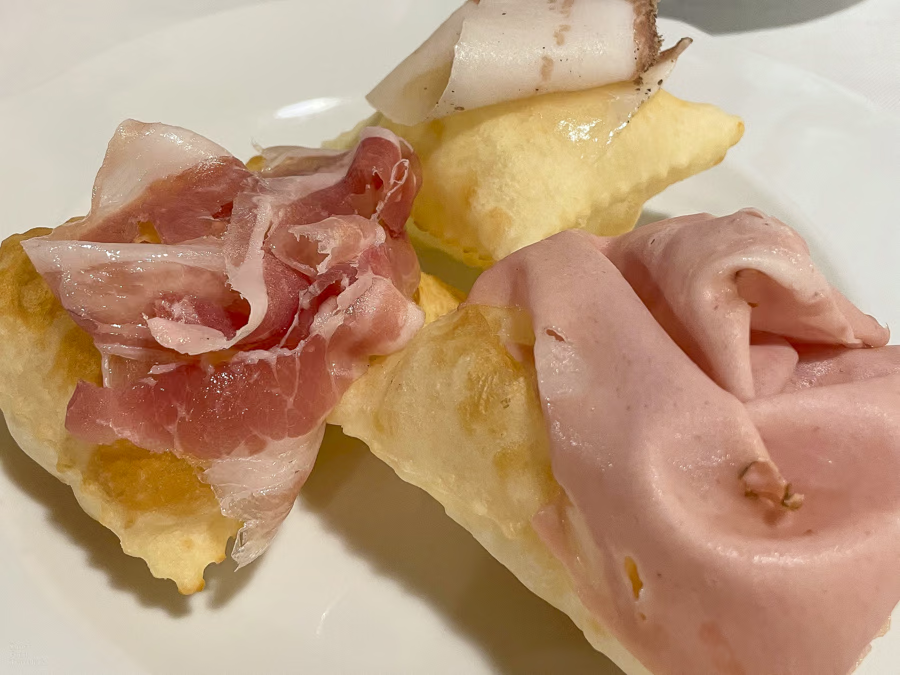
Osteria Stallo del Pomodoro sits on the east side of Modena, located in what used to be stables for the Countess of Modena. Osteria Stallo del Pomodoro makes great food with locally sourced ingredients. Whereas it would be called ‘farm-to-table’ everywhere else in the world, this is just a normal course of business for them to tell you where the ingredients come from. The menu isn’t anything fancy, and the food presentation isn’t designed to shock and awe, but you will love every bite of the calzagatti, rosette with tosone, tagliatelle, or other regional specialties they are offering according to the season.
Bar Schiavoni
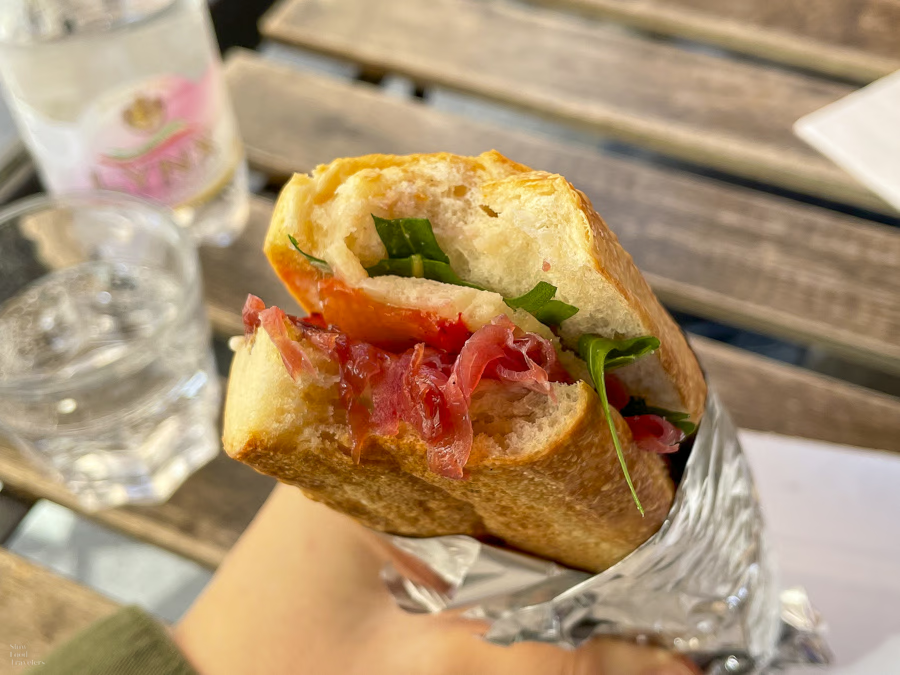
Since nearly the day Mercato Albinelli opened its doors in 1931, Bar Schiavoni has been a fixture inside the market. The sandwiches here are to die for. Look for the daily menu and order the cotechino if it’s available. You won’t regret it! Find them at Via Albinelli 13; you will order from their entry outside the Mercato Albinelli (the door inside the market is exit only).
Ristorante Cavallino
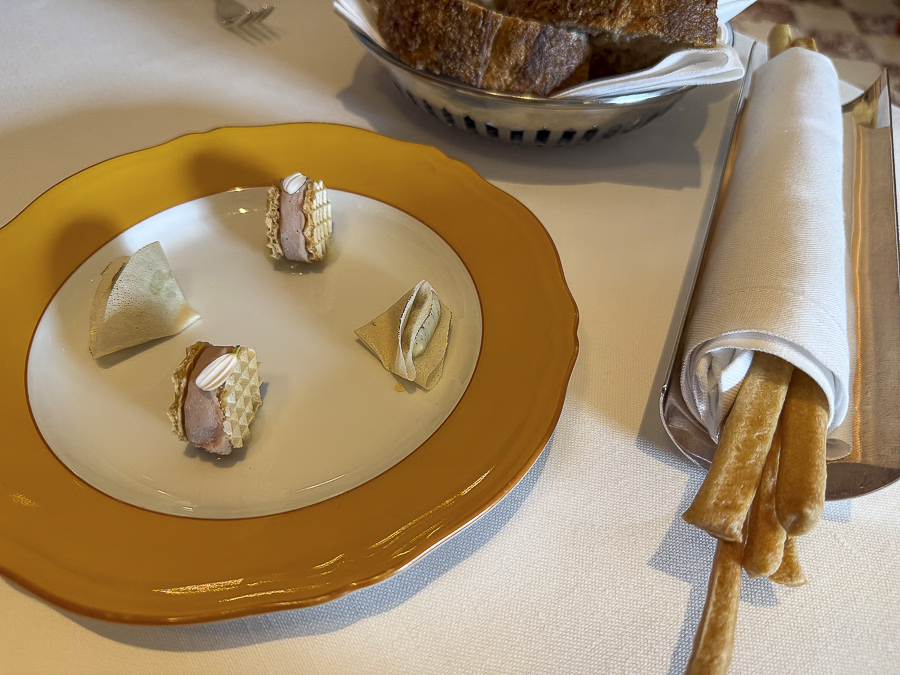
If you’re making the trek out to Maranello to see the Ferrari Museum, Ristorante Cavallino needs to be part of your day! Located less than a 10-minute walk from the museum, Cavallino began operations in 1950. After several years of being closed, the restaurant reopened in 2021 with an exciting revamp and Chef Massimo Bottura as part of the collaboration. The partnership between fast cars and slow food is one that, at first, might not be obvious. But after some consideration, they share a lot of similarities: a need to have a lot of care about your craft. That if you put in the work ahead of time, you can achieve fantastic, sustainable results. When you come to Cavallino, we recommend the ‘Benvenuti in Emilia’ tasting menu. It highlights some of the best regional dishes, with a creative spin on them, of course. Cavallino earned its first Michelin star in November of 2025 and it shows - the food is executed perfectly and the service is impeccable. It’s a perfect accompaniment to a day at the Ferrari Museum.
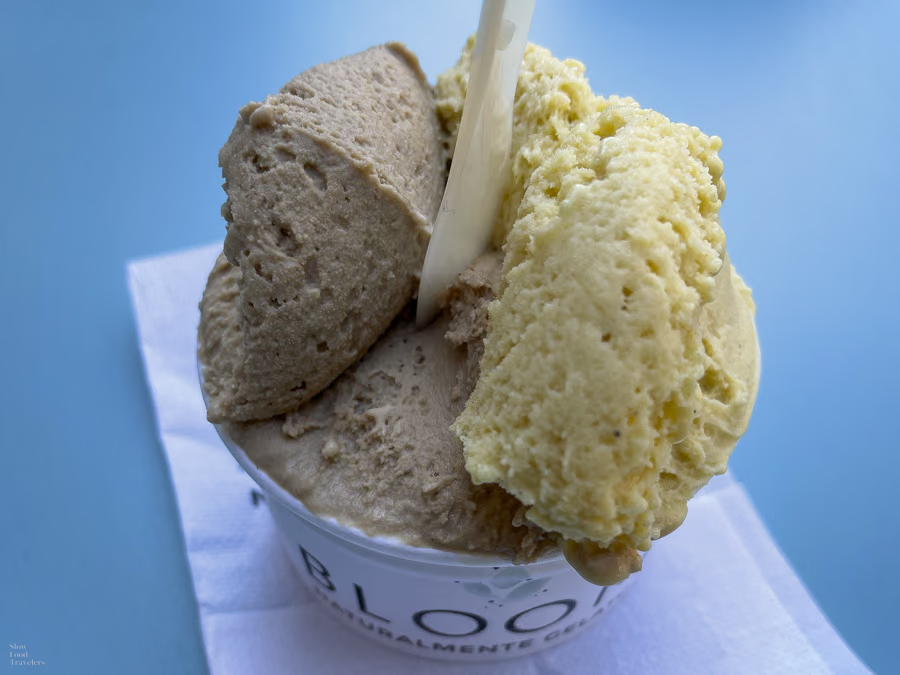
Gelateria Bloom
Bloom is a locally owned gelato shop that first opened in Modena in 2014 and has since grown to three locations. They take great care in crafting their gelato, using only high-quality ingredients. It’s our favorite go-to spot for gelato in Modena! We have a tradition of stopping by the Piazza Giuseppe Manzini location right after visiting La Consorteria 1966 across the piazza—a sweet way to celebrate purchasing traditional balsamic vinegar to take back home! They continue to grow and locations; if the one in Piazza Giuseppe Manzini isn't conveinent, check out their website for additional choices.
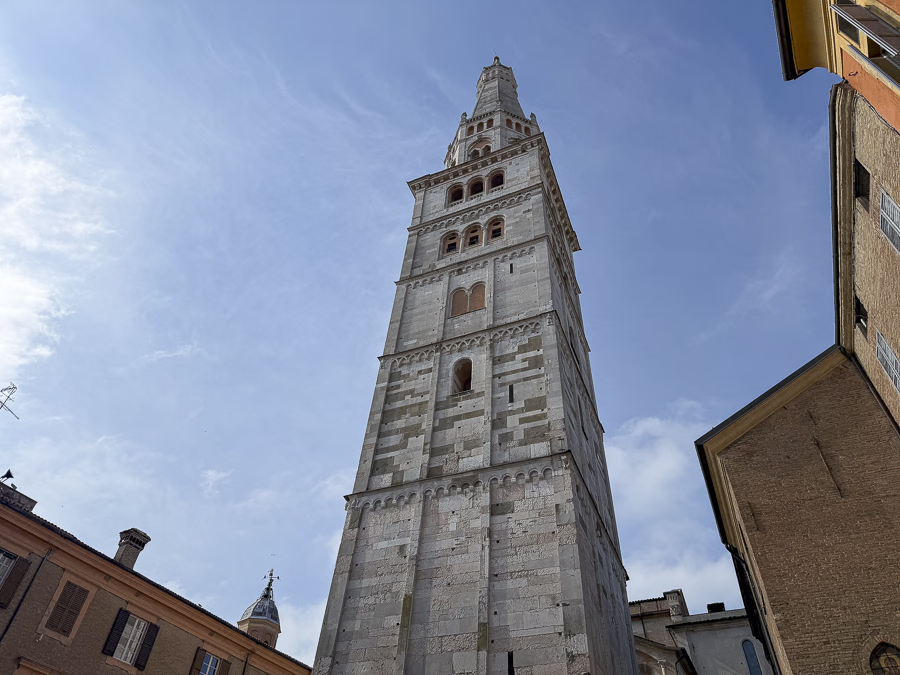
Torre Ghirlandina
Looking for the best views of Modena and the surrounding beautiful Emilia-Romagna countryside? Make your way to the iconic Torre Ghirlandina. Starting construction in the 12th century, Torre Ghirlandina is almost 90 meters tall. Climb the stairs and enjoy the breathtaking views! Access is by reservation only. You can book online or at the tower ticket office. If you’re hoping to snag a spot for sunset views, be sure to reserve your tickets for that timeslot well in advance.
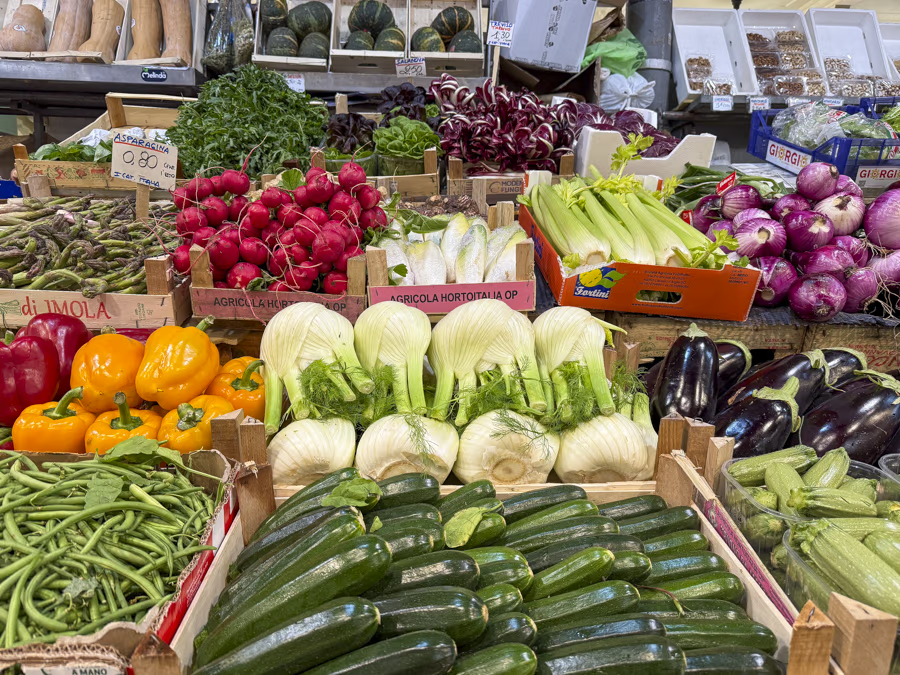
Mercato Albinelli
The Mercato Albinelli is a famous covered market located in the historic center of Modena.At Mercato Albinelli, you can find a variety of seasonal fruits and vegetables, meat, cheeses, cured meats, bread, pastries, and much more. It is an ideal place for daily shopping or simply for exploring and savoring the authentic flavors of Emilia-Romagna. Stroll through the market and check out the offerings from the many vendors. With plenty of tables and chairs available, you can order something to drink or eat and enjoy it on the spot.
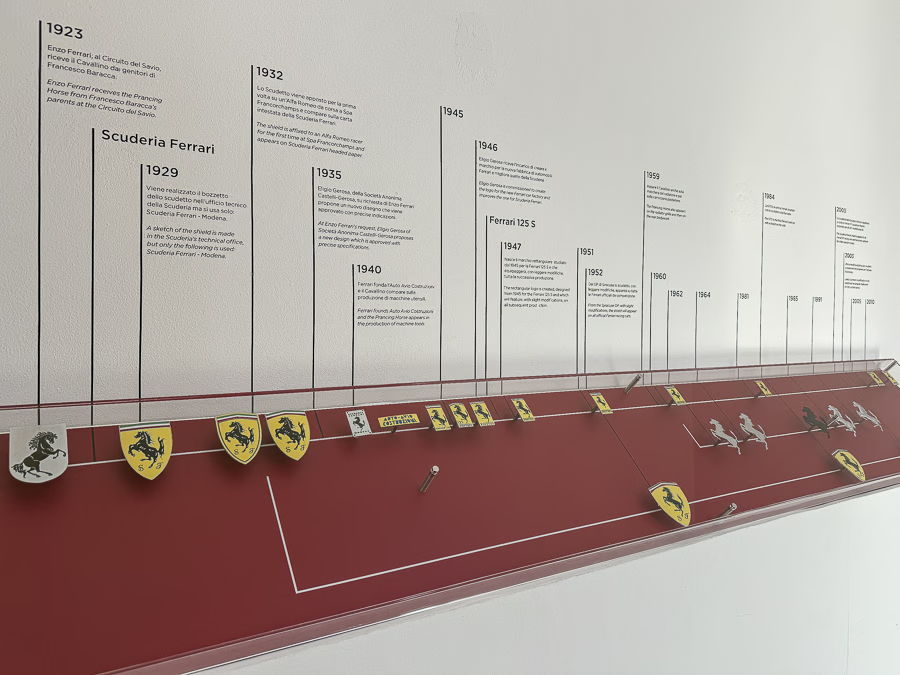
Museo Casa Enzo Ferrari Modena
Have an interest in cars (or Ferrari specifically)? Be sure to head over to this museum in town. Focused on the life of Enzo Ferrari, it gives you a timeline of his life and how the Ferrari brand was born. Being that it’s Ferrari, there’s an entire display dedicated to car motors, and in a different area, a ‘Greatest Hits’ collection of Ferrari cars that were once owned by musicians. This exhibit is available until February 16, 2027, so you don’t have much longer to see it. If you’re a super Ferrari fan, make the trek out to Museo Ferrari Maranello. It’s a much larger venue with more exhibits and cars on display. You can purchase the combo entrance ticket to both museums here, or just the Modena museum entrance ticket here.
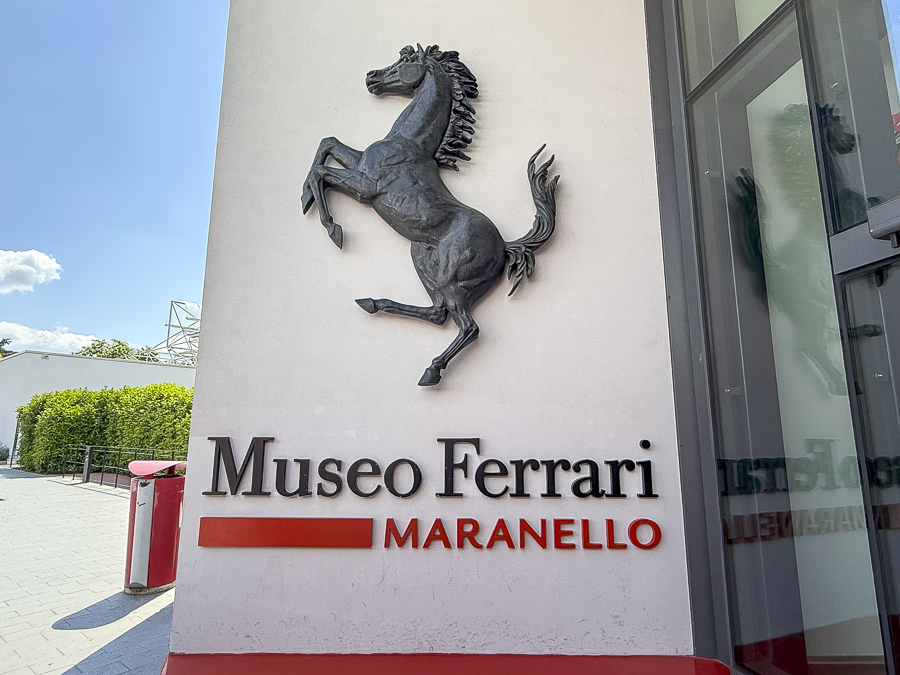
Museo Ferrari Maranello
The Ferrari Museum in Maranello is the Mecca for Ferrari fans. Maranello is about a half hour drive south of Modena and an hour drive west of Bologna, but that doesn’t stop the hordes of car aficionados from making the pilgrimage to Museo Ferrari. The museum walks through the history of Ferrari, including an impressive Formula 1 room and a dedication to the many racing trophies they’ve won over the years. You can buy tickets here ahead and skip the queue of people buying on site - highly recommend doing this to make your visit go smoothly. If you also plan on going to Museo Casa Enzo Ferrari in Modena, make sure you purchase the combo ticket for admission to both museums (secure combo tickets here or here).
Tour a Parmigiano Reggiano Factory
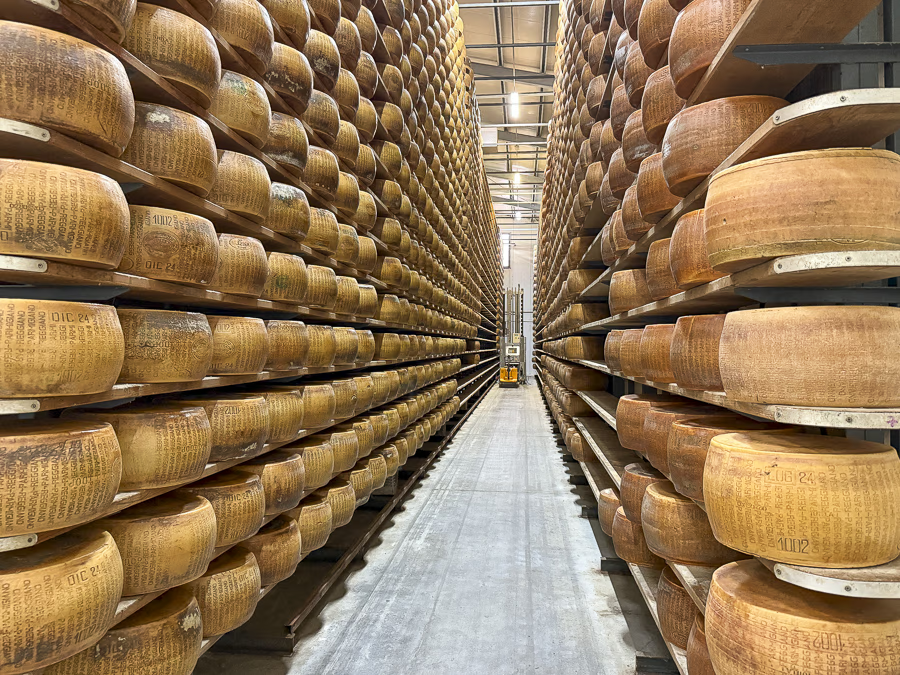
Emilia-Romagna is the only place in the world where Parmigiano Reggiano can be made, and seeing the process first hand is a worthwhile experience. You’ll get to see and experience every step along the way - from the way the cows are milked, to how the cheese is formed, and witness the wheels’ resting place. Entering the warehouse where all the cheese is aged is breathtaking! After touring the facilities comes the best part: you get to taste the final product! We highly recommend this particular producer. The tour was extremely educational and the experience was great! It fills up quickly, so be sure to book tickets in advance if you have a specific date in mind. You can purchase tickets here.
Parmigiano Reggiano
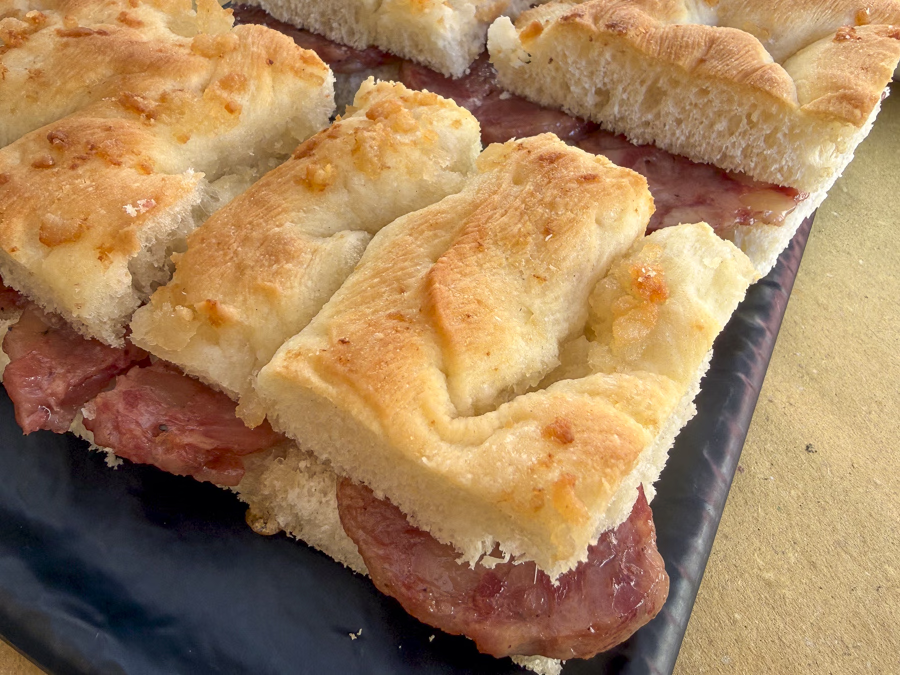
Parmigiano Reggiano, also known as Parmesan cheese, is a high-quality Italian cheese that originates from the regions of Parma, Reggio Emilia, Modena, Bologna, and Mantua. It is made from cow's milk and is renowned for its distinctive flavor and granular texture. Parmigiano Reggiano is aged for a minimum of 12 months, but some varieties are aged for even longer, resulting in a more intense flavor. It is commonly grated and used as a topping for pasta, risotto, soups, and salads, or enjoyed on its own as a delicious, savory snack.

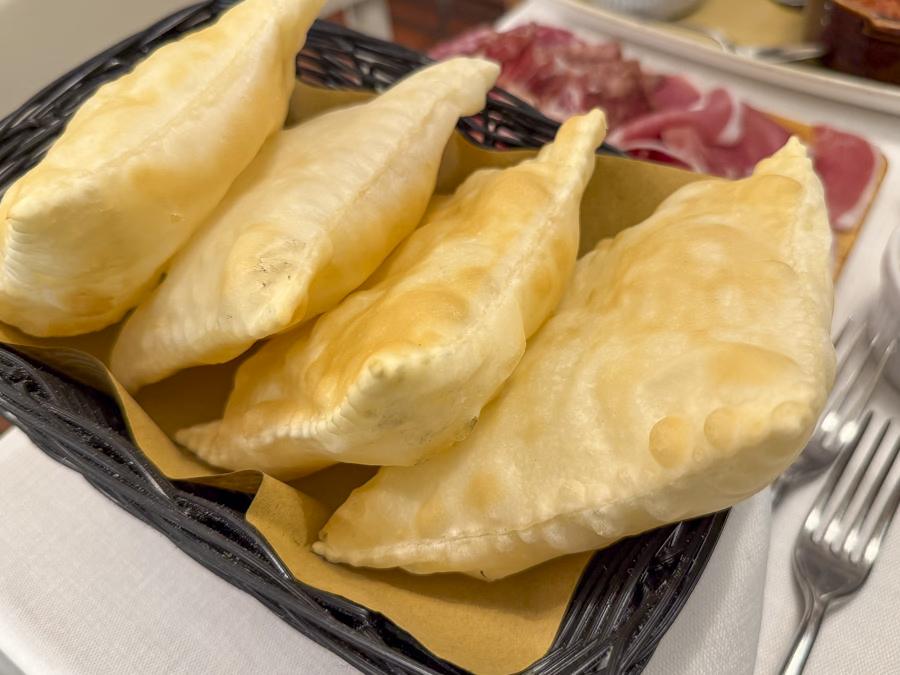
Gnocco Fritto
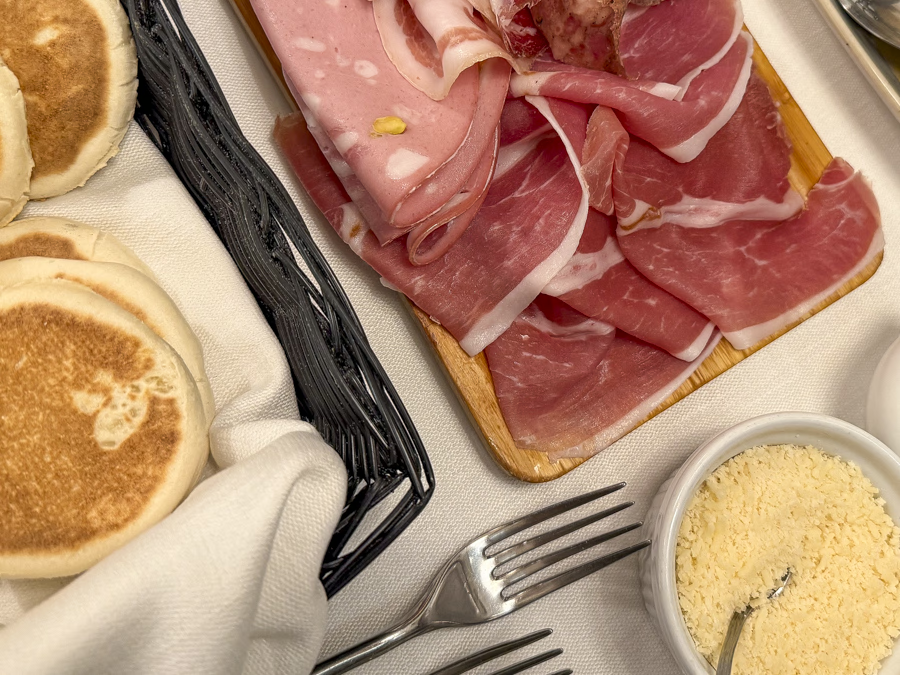
Gnocco fritto is a traditional starter in the Emilia-Romagna region that consists of small squares or diamonds of fried dough. It is typically served hot and accompanied by cured meats, such as prosciutto, culatello, or lardo. Although filling, gnocco fritto is one of our favorite things to eat in the region.
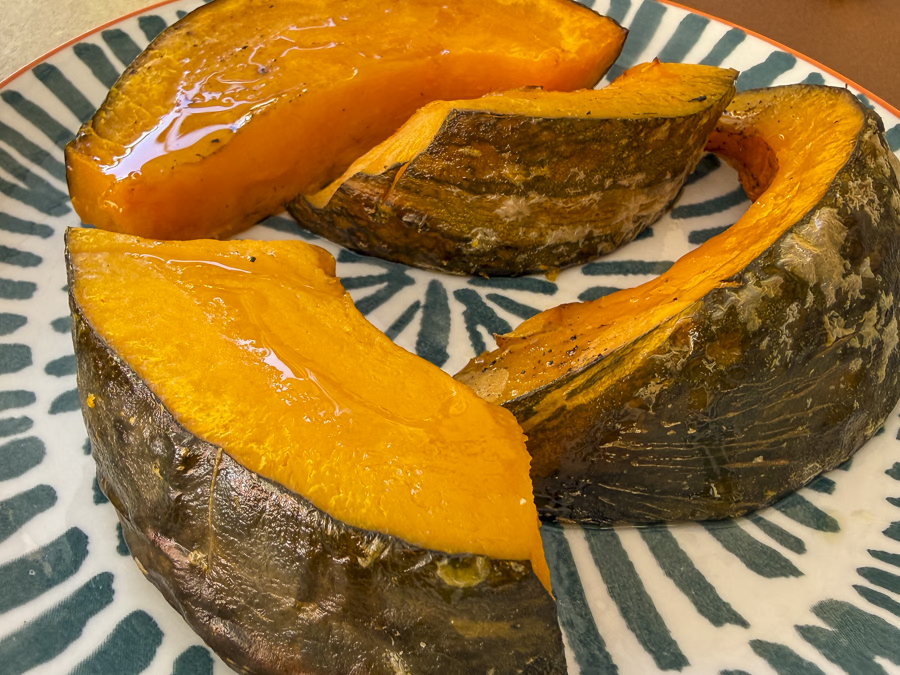
Zucca
Zucca is the Italian word for "pumpkin", refers to a variety of winter squash that are commonly used in Italian cuisine (more commonly in northern Italy). In Italian cuisine, pumpkin is often celebrated during the autumn season and used in a variety of savory and sweet recipes due to its vibrant color, mild sweetness, and versatile culinary properties. It is delicious in and on everything we have ever tried (even on pizza/pinsa!).
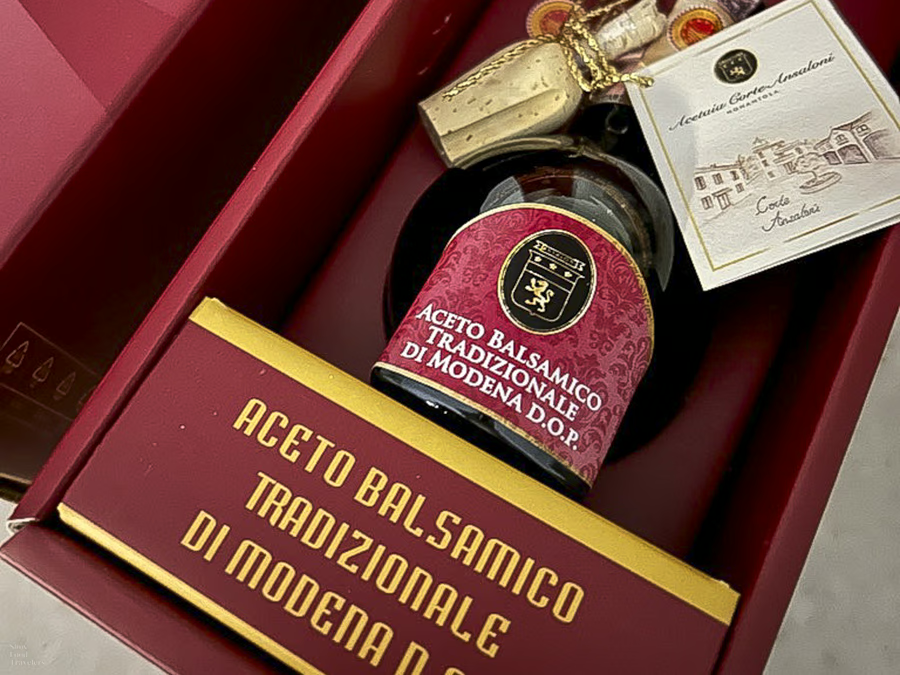
Balsamic Vinegar
When in Modena, opt for a traditional Balsamic Vinegar of Modena tasting and try REAL balsamic vinegar! The flavors and consistency are incredible - nothing like the balsamic vinegar that we are accustomed to in the States. If you are able to, purchase a bottle or two to take home with you! It’s worth the splurge (and the checking of your suitcase!). We did a tasting at Acetaia del Cristo, a local producer, which was very helpful and informative. It was a great way to taste some different variations of the balsamic vinegar, each with subtle differences, before purchasing.
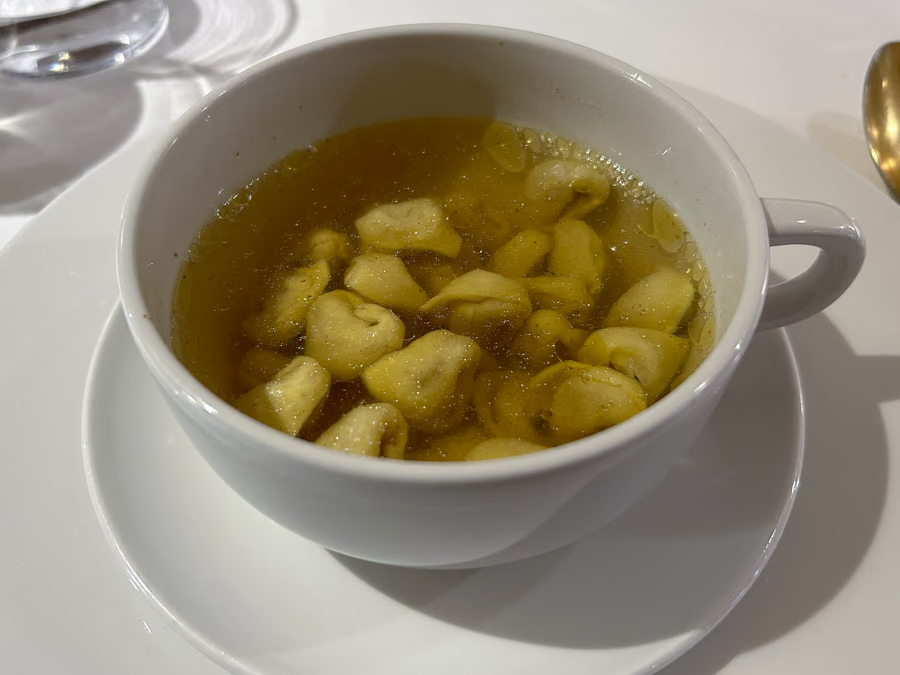
Tortellini in Brodo
Tortellini in brodo consists of small, stuffed pasta rings (tortellini) served in a flavorful broth (brodo). Tortellini is typically filled with a mixture of meats, cheese, or vegetables. The broth is a light and savory soup, usually made from chicken/capon, beef, or vegetable stock. I'll admit - before trying this, I thought to myself, "what's so special about putting pasta in a broth?" I'm glad I got past my doubts and tried it.. because now I know of another way to have pasta that I adore. The broth brings a different dimension to a dish that I thought was tried and true. It's very comforting and surprisingly addicting. You won't be able to stop eating it!

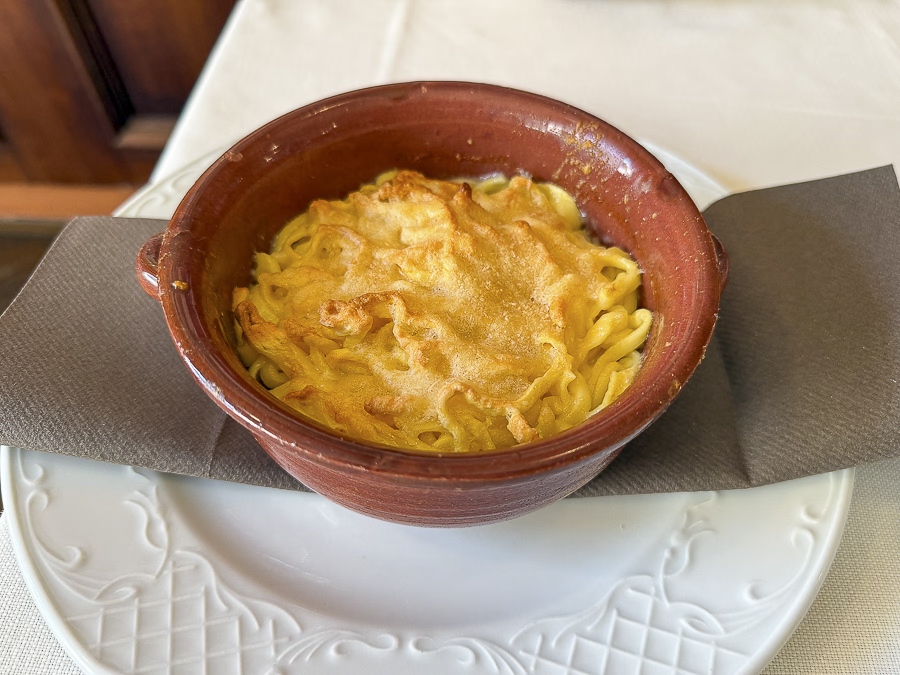
Bassotti
Bassotti will be a rare find if you come across it. It consists of tagliolini pasta, cooked in broth, butter, and Parmigiano Reggiano, and is baked au gratin. Bassotti represents what we love about food in Italy; simple local ingredients that are available, cooked in a way that brings out the natural flavors.
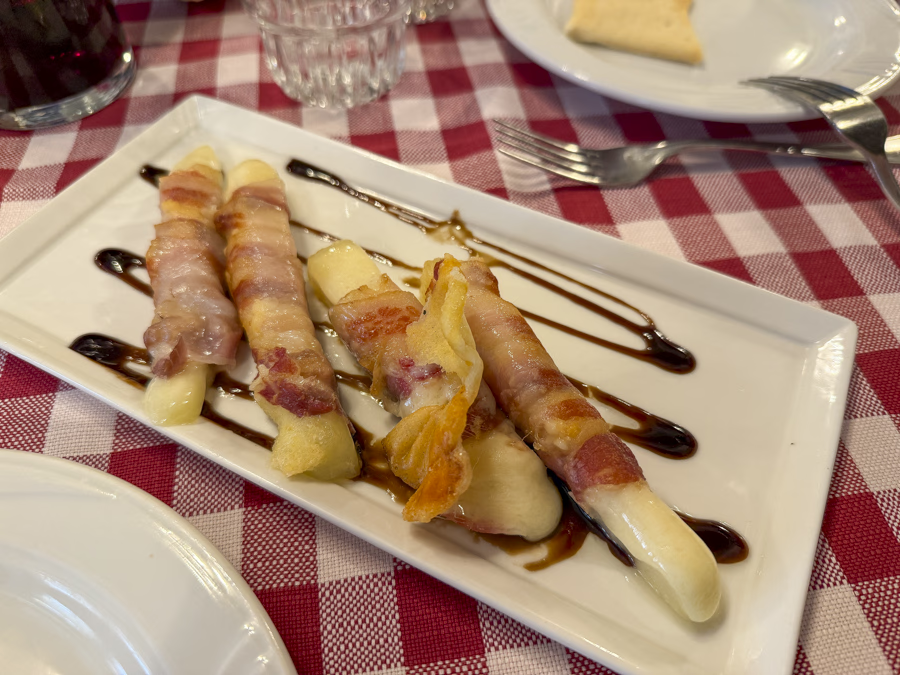
Tosone
Like making anything by hand, the production of Parmigiano Reggiano isn’t perfect. Sometimes when a wheel that is destined to be Parmigiano Reggiano is freshly made, there’s ‘too much cheese’. This excess cheese is removed so the wheel can continue through the aging process to make that perfect Parmigiano Reggiano. What remains is called tosone. The same ingredients as Parmigiano Reggiano, just without the aging. Often served as an antipasto and melted, there are many different ways we’ve seen tosone be prepared. Tosone can be served with porcini, wrapped in pancetta, or drizzled with Traditional Balsamic Vinegar.
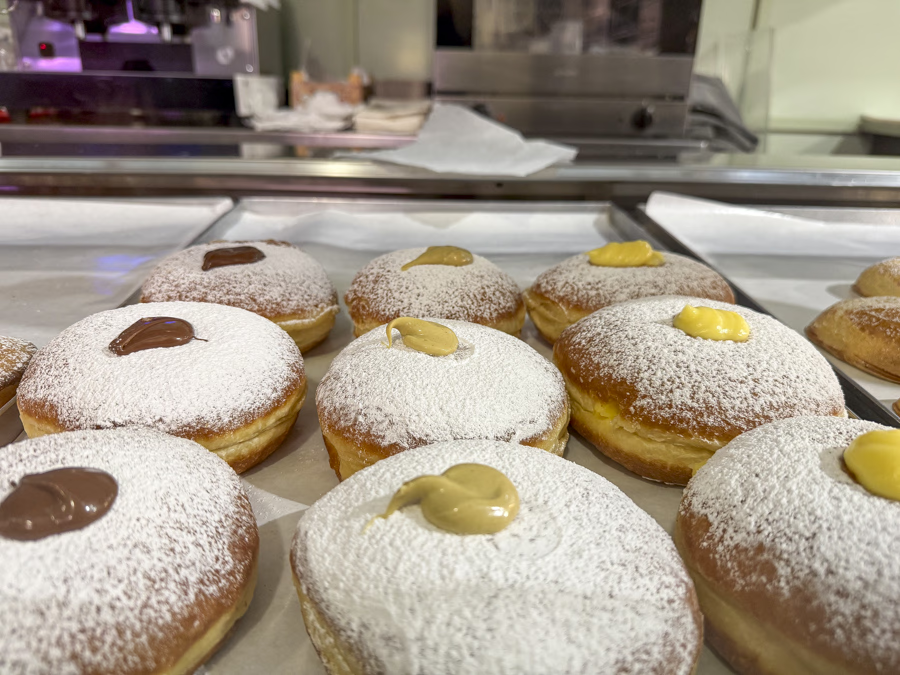
Bombolone
While popular in regions all over Italy, and particularly during carnevale season, we find the bomboloni (Italian deep-fried donuts) at Delizie Dolci e Salate in Mercato Albinelli to be delicious. This bakery offers bomboloni in chocolate, pistacchio, cream, or a chocolate and cream combo. While we know that this is not something specific to Modena, we like these too much not to tell you about them! And they pair exceptionally well with a cappuccino for breakfast.
Lambrusco
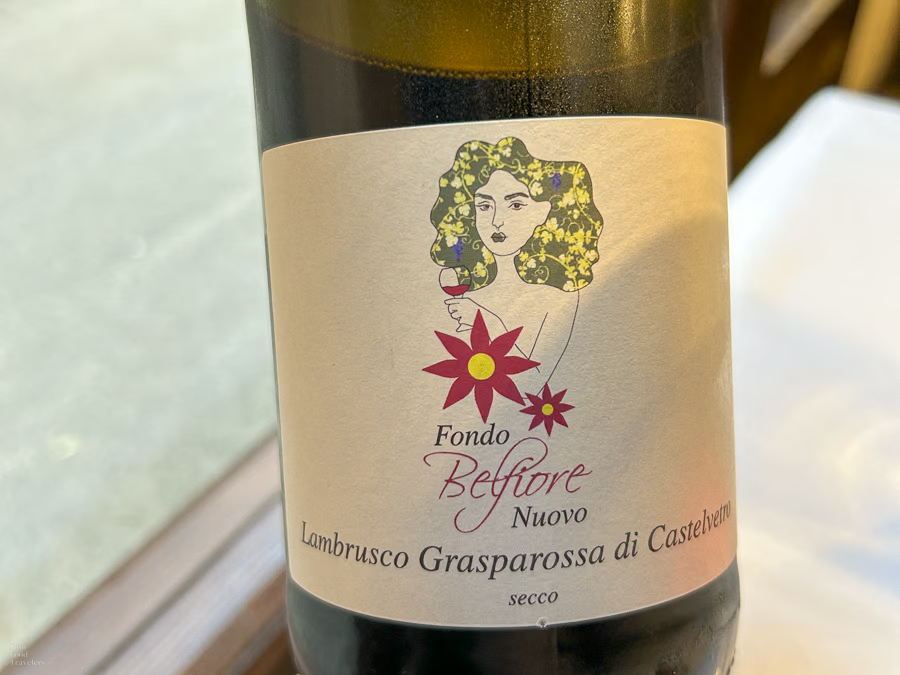
Have you ever drank sparkling red wine? If not, lambrusco is a great one to start with! Made with the grape of the same name, this is a refreshing wine that goes well with all the local specialties - gnocco fritto/torta fritta, cured meats, aged cheeses - or even just by itself! Locals drink lambrusco (and often!) to cleanse their palette and often joke that they consume as much lambrusco as they do water! Primarily grown in the Emilia-Romagna region including Modena, Parma, and Reggio Emilia, there are 11 different styles of lambrusco in this region alone. Be prepared to try different ones to find your favorite! We prefer lambrusco that is scuro (dark) and secco (dry) as opposed to the sweeter ones that are lighter in color.


Where will your next journey in Italia take you?