


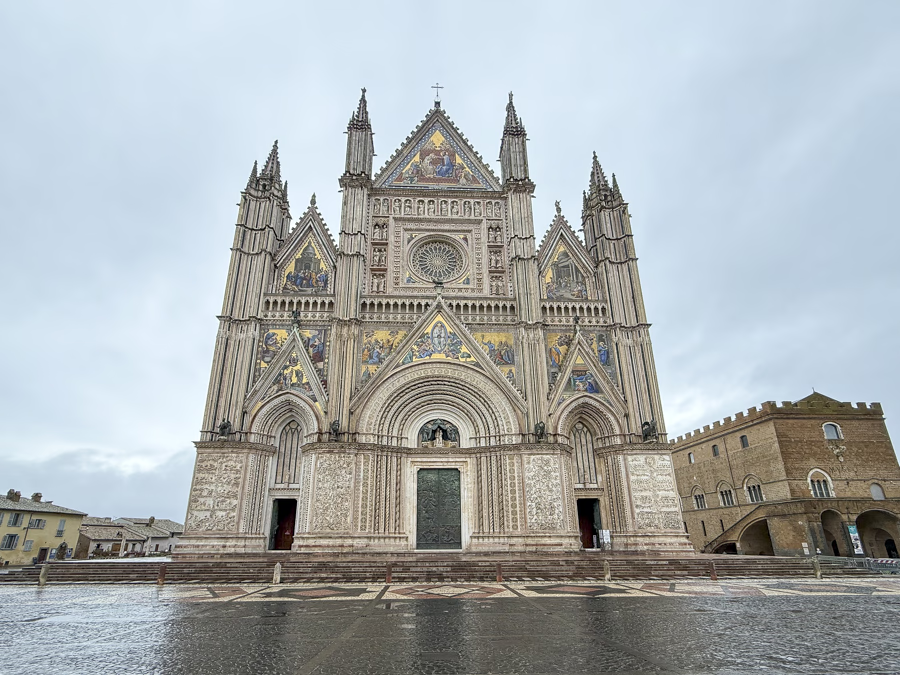
Orvieto is a hilltop town of 20,000 in Umbria, dramatically perched on a volcanic plateau above the surrounding countryside. Located 90 minutes from Rome and two and a half hours from Florence, it's easily accessible as a day trip from either city, though staying overnight reveals a quieter, more intimate side once the day-trippers depart. Within Umbria, it sits about 90 minutes from both Perugia and Assisi via winding, scenic roads through the region's rolling hills.
The town's identity combines medieval architecture with vibrant artisan traditions. The Duomo di Orvieto, with its gold-mosaic facade and striped marble exterior, ranks among Italy's most stunning cathedral fronts (and one of our absolute favorites!). Beyond the cathedral, Orvieto's narrow cobblestone streets wind past ceramicists' workshops where craftspeople shape and paint traditional Umbrian pottery, lace-makers' studios where intricate patterns emerge from patient handwork, and leather shops where families have honed their trades for generations. This isn't performance; these are real artisans creating real crafts, many in the same workshops their grandparents used.
Come for the cathedral, stay for the umbrichelli. This thick, hand-rolled pasta is Orvieto's signature dish, often finished tableside with shaved black truffle, paired perfectly with a crisp glass of Orvieto Classico from the vineyards visible from your table. Most visitors are day-trippers from Rome or Florence, which means early mornings and late afternoons offer the town at its most peaceful, when golden light washes over the volcanic stone and locals reclaim their streets. Slow down here. Browse artisan shops between courses. Watch the sunset paint the Umbrian countryside in shades of gold and amber. This is how we fell in love with small-town Italy, and you will too.

Best Airport(s)
Rome Fiumicino (FCO). Other options: Rome Ciampino (CIA) • Florence (FLR)
Looking for Airfare?
→ Compare Airlines and Flight Prices.
Estimated Time (Airport → City)
FCO → Orvieto: ~1h30–2h00 (car) / ~1h15–2h00 (train)
CIA → Orvieto: ~1h30–2h10 (car) / ~1h45–2h30 (train)
FLR → Orvieto: ~1h45–2h30 (car) / ~1h30–2h30 (train)
Looking to rent a car?
→ Compare rates and reserve one here.
Main train station
Orvieto
Train Schedules & Fares
→ Compare prices and secure tickets here.
Need transportation to/from the airport or train station?
→ Schedule a Private Transfer.
Qucik Tip
Orvieto station is at the base of the hill; use the funicular to reach the historic center.

Jump to:
Emme Palace Hotel & Spa
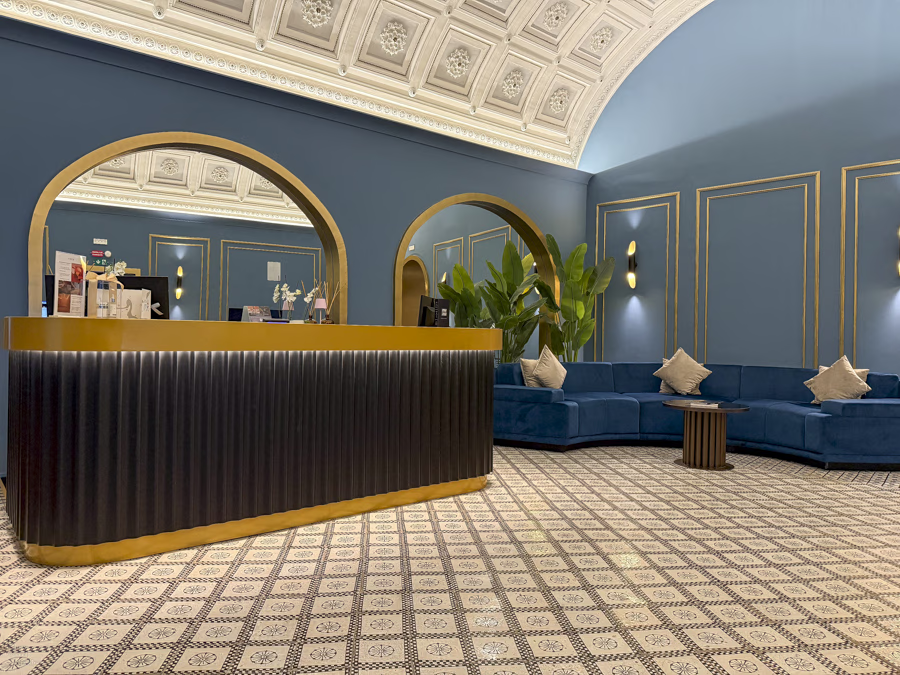
Easily one of the most beautiful properties we’ve stayed at, this boutique hotel is charming from the moment you enter it. A former historic residence, the palazzo has been renovated with modern design and amenities, a beautiful contrast to its original floors and frescoed ceilings. It’s the perfect combination of history and present day. The rooms are elegant and have a moody sophistication to them. The best part, and an unexpected surprise, is the breakfast. In a beautiful room near the bar, you are seated and immediately greeted with a display of sweet treats on a 2-tier serving platter. With the option of ordering an additional dish of your choice (we both went for egg dishes to offset the sweet treats and carb heaven!), and a cappuccino. The staff are all so kind and helpful, and the service is incredible. Pro tip: if you choose to reserve a parking spot at the hotel, be sure to ask them ahead of time what specifically to plug into Google Maps. It’s a bit tricky (at no fault of the hotel). Otherwise, you can park in any of the parking lots around town and walk in! The hotel is also located in a very great location - a 5-minute walk to the Cathedral, and near many great restaurants and shops.

Trattoria La Palomba
A no frills, family-owned trattoria, the food and ambiance here is exactly what you’d expect - simple dishes made with good ingredients set in two rustic, wood-paneled rooms. This is a local’s favorite; you might see other guests celebrating a birthday or a graduation. Because of the limited seating, it is difficult to come here without a reservation; make sure you call or stop by ahead and get a reservation (there are no online reservation options). For food, we suggest the classics: bruschetta, umbrichelli, and panna cotta are all exceptional. There are multiple options that come with black truffle, which are grated tableside and get a great ‘earthy’ flavor profile.



I Sette Consoli
I Sette Consoli is a wonderful fine dining experience in Orvieto. They offer their guests an intimate, elevated meal with options for either a set meal or a la carte, with all dishes being very reasonably priced. You can tell the details matter here; the oil served with the bread has a specifically designed dish to prevent spills! They often will have a ‘special’ starter section on the menu; if you see red shrimp as an option, it’s highly recommended as the shrimp will just melt in your mouth. The risotto at I Sette Consoli is some of the most colorful and flavorful you’ll see. Book this one for a special experience!
Ristorante Da Gregorio
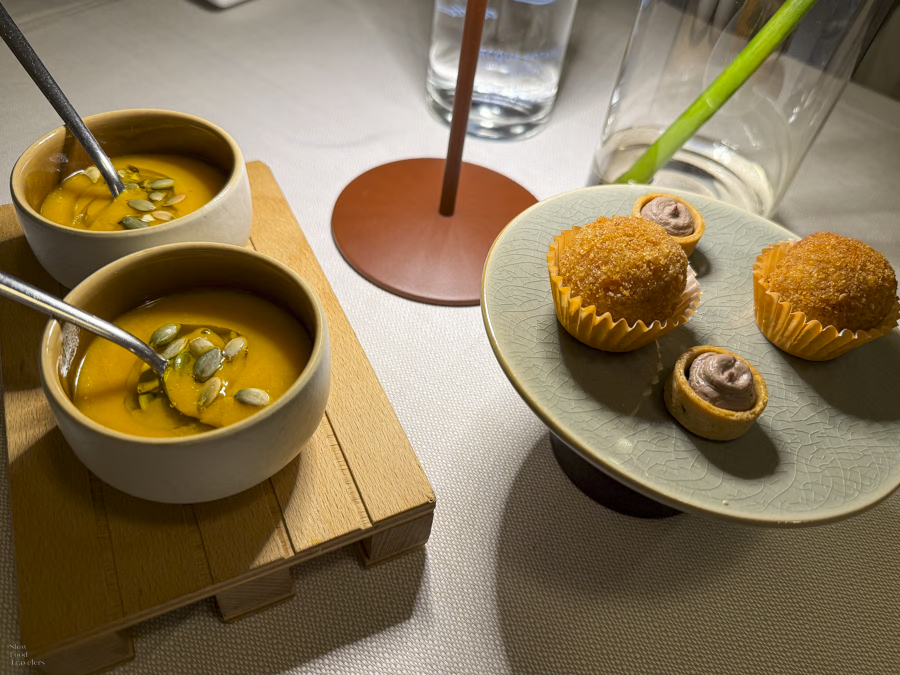
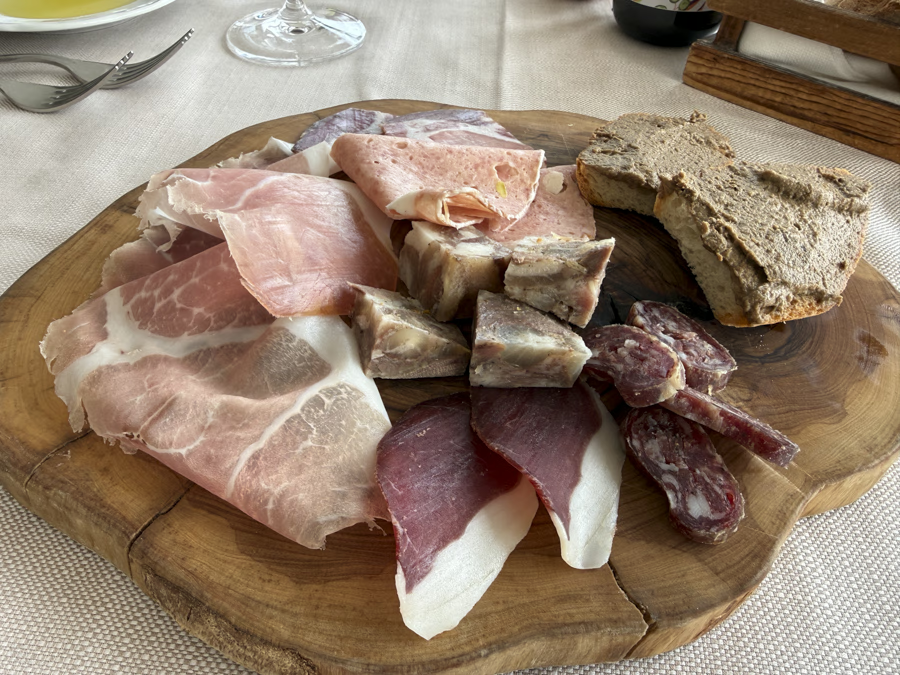
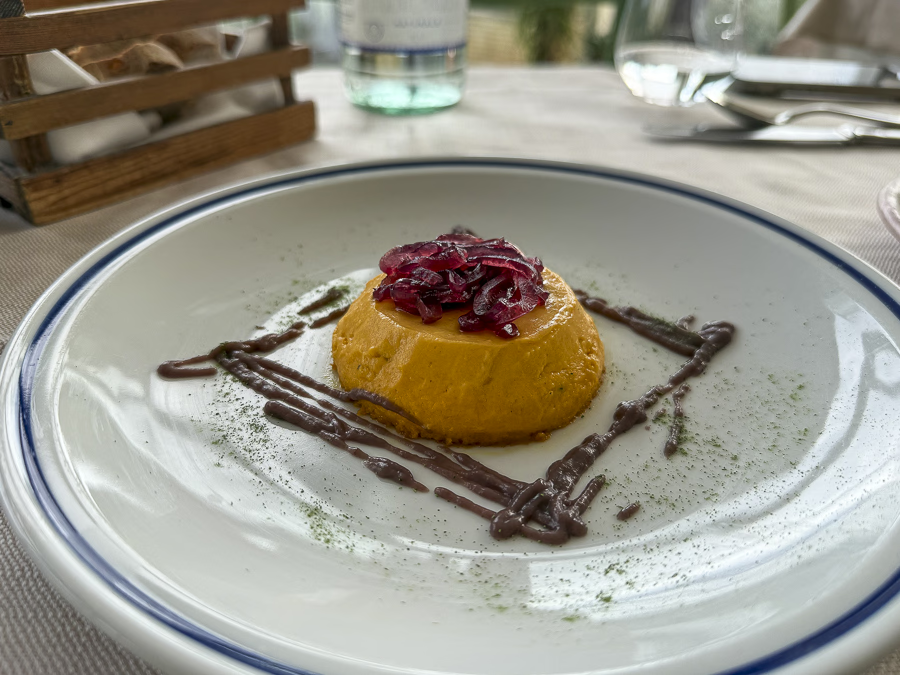
Located roughly 20 minutes Northeast from Orvieto’s historic city center, you will find Ristorante Da Gregorio in Morrano Nuovo. Since the 1980s, the Fontanieri family has been sourcing the best, freshest ingredients from local producers for their restaurant. The quality is evident in everything they serve. The salumi artiginali (cured meats) were the best we’ve had in Italy (ever). We have never seen cured meats with the color profile as these (pale pinks versus bright pinks), or tasted any as fresh. The flavors of the tortino al vedure stagionali (a “cake” made with vegetables of the season) were incredible. Being winter time, ours was made with zucca and sweet red onions from Cannara - the ultimate combination! Be warned - it was very difficult to decide what to order, as the entire menu sounds good! To overcome this obstacle, as if they know, the restaurant allows you to order half portions of dishes. We ordered half orders of each of the 2 pastas we wanted to try, so that we could save room for a steak and dessert. While we definitely ordered too much food, it was all worth it! An exceptional dining experience from start to finish.
Duomo di Orvieto
If you’re going to see one thing in Orvieto, the Orvieto Cathedral is it. Situated in the middle of the historic city center, the cathedral rises above the surrounding buildings and has a striking presence. Our favorite architectural feature is the front exterior façade. In our opinion, it is one of the most beautiful in all of Italy. From the statues to the mosaics, we could gaze at it for hours! Inside, you’ll find it spacious with lots of open space; a contrast to the ornate exterior façade you just saw on the outside. Why the stark difference? Over the centuries, many of the interior pieces have intentionally been removed leaving a more minimalist aesthetic inside. The architecture inside is breathtaking to behold and worth venturing inside to see. Don’t miss the frescoes by Luca Signorelli in the San Brizio Chapel - these are extremely detailed and stunning.

Umbrichelli
Umbrichelli is one of the more unique pastas you’ll try. It is made with eggs and handrolled, giving it a more dense, chewy bite than other pastas. Because it’s handrolled, every piece is unique. Because it’s dense, it holds up well with hearty sauces. Umbrichelli is served in diverse ways—you’ll see it from simple preparations featuring black truffle to meat sauces (ragù). You’ll probably eat it more than once on your trip to Umbria.

Cannara Onions
Just slightly south of Assisi is a small commune called Cannara. While the town is home to a little more than 4,000 people, they host a festival called Festa della Cipolla every September (but really, it’s celebrated year round!). The festival is centered around some of the best onions we’ve ever tasted - the Cannara onion. It can be somewhat sweet and does not have the bitterness or bite a more traditional onion has. These onions can be found throughout Umbria and are a highlight to enjoy when you’re in the region!
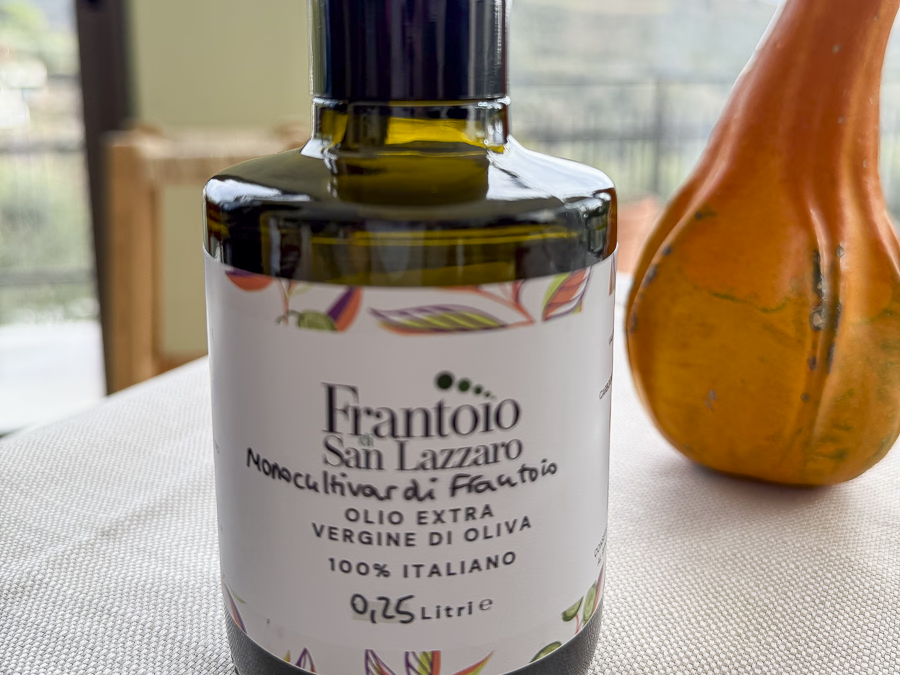
Umbrian Olive Oil
Umbria also shines at producing olives. Umbrian olive oil is typically composed of three olives grown in the region: the Moraiolo, Frantoio, and Leccino. By combining the three flavor profiles of these olives, the olive oils produced here are of high quality and wonderful as a finishing oil.
Umbrian Black Truffle
Black truffles are so prevalent in Umbria that it’s hard not to take them for granted. Umbria just happens to be one of the epicenters of finding them, and Umbrian cuisine is not shy about using them! Earthy, pungent, and just down right delicious, be careful what you use them on as they can overpower a dish. But as long as you’re using them in the right meal and complementing the other flavors, this is a treat to enjoy.
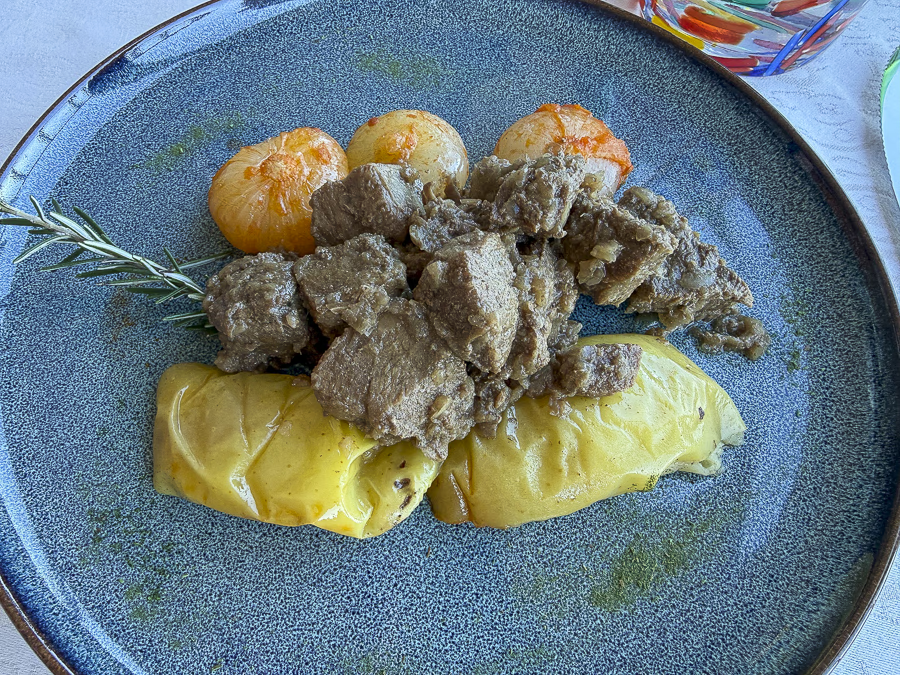
Cinghiale
Cinghiale (wild boar) roam all over Umbria, and local chefs know the best ways to prepare this locally sourced animal. From cinghiale in umbido (stewed wild boar) to locally made pasta dishes like umbricelli al ragù to even selections of cured meats, you will find wild boar made in a variety of different ways to enjoy. Cinghiale is definitely something we look for on the menu, as you know it’s going to be a dish that is made with care.
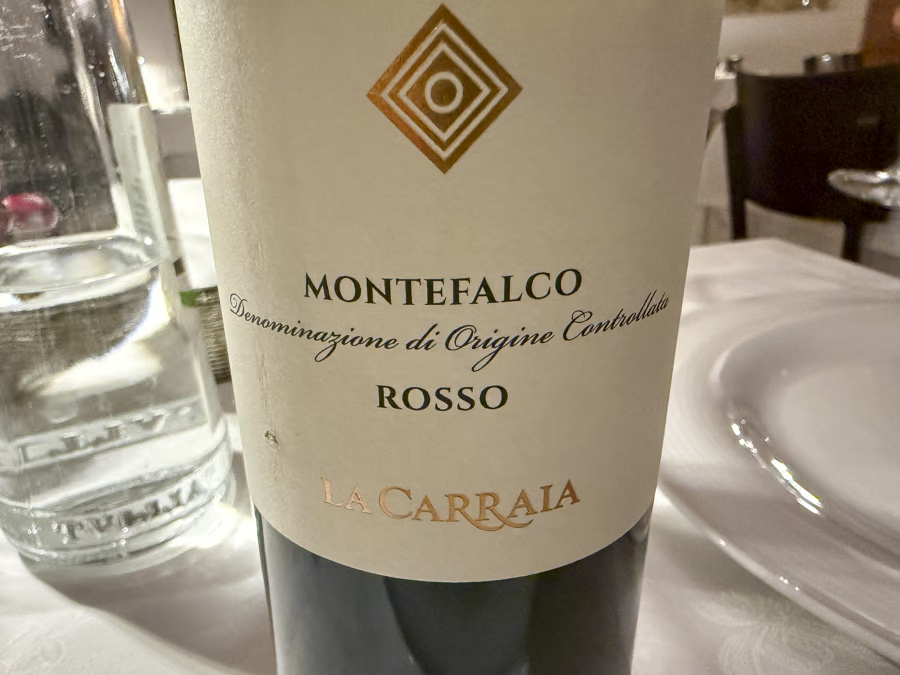
Sagrantino Wines
There are a few wines made from the Sagrantino grape that is from the region of Umbria that you should try. Often Sagrantino is offered as the table wine or there’s the Montefalco Sagrantino, Montefalco Rosso, and a sweet dessert wine called Montefalco Sagrantino Passito. Sagrantino grapes are known for having tannins, and a very dark, almost purple color. It goes very well with hearty Umbrian dishes!
Sangiovese IGT Umbria
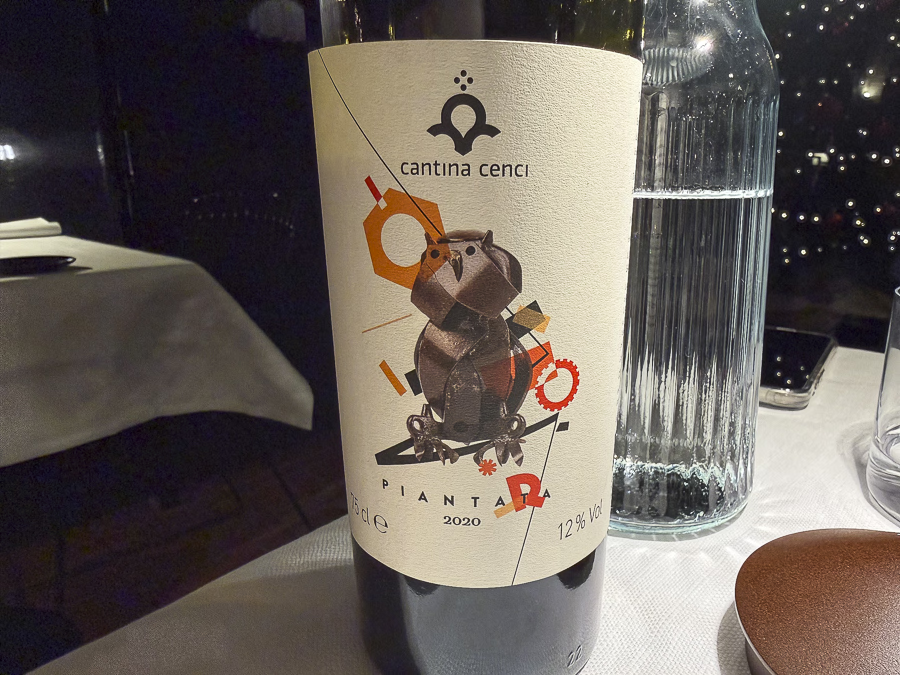
One of our favorite grape varietals, and our ‘go to’ when we’re drinking wine, is sangiovese. When we’re in Umbria, our default wine is the Sangiovese IGT Umbria. Because it’s an IGT, wine purveyors have more freedom and experimentation with how they make the wine since they don’t have to follow the DOC or DOCG guidelines. We love to drink a Sangiovese IGT Umbria when we’re feeling a little bold and want to try a producer’s creative side!


.svg)


Where will your next journey in Italia take you?