


Umbria
Known as the green heart of Italy, featuring ancient forests rich with truffles and time-honored traditions.
Known as the green heart of Italy, featuring ancient forests rich with truffles and time-honored traditions.
Umbria occupies the absolute center of the Italian peninsula, standing as the only region without a coastline or an international border. The landscape is defined by dense, ancient forests, rugged mountain peaks, and mist-covered river valleys. Umbria’s geography naturally dictates a slower, more introspective pace; lacking the high-speed transit lines found in the north. The medieval hilltop towns scattered across the hills invite travelers to slow down, offering an exceptional setting for a more deliberate and rewarding exploration of central Italy away from the standard tourist corridors.
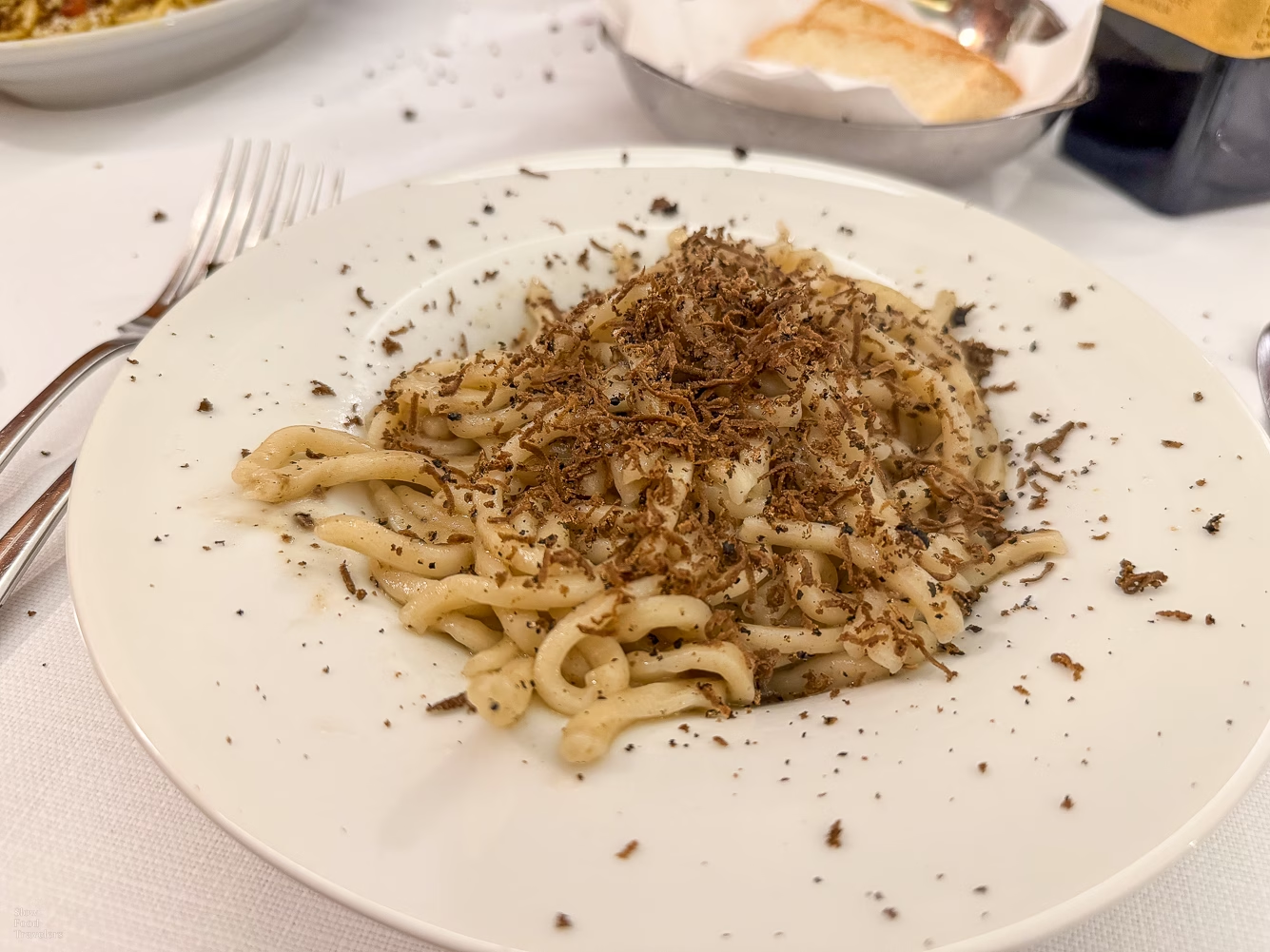
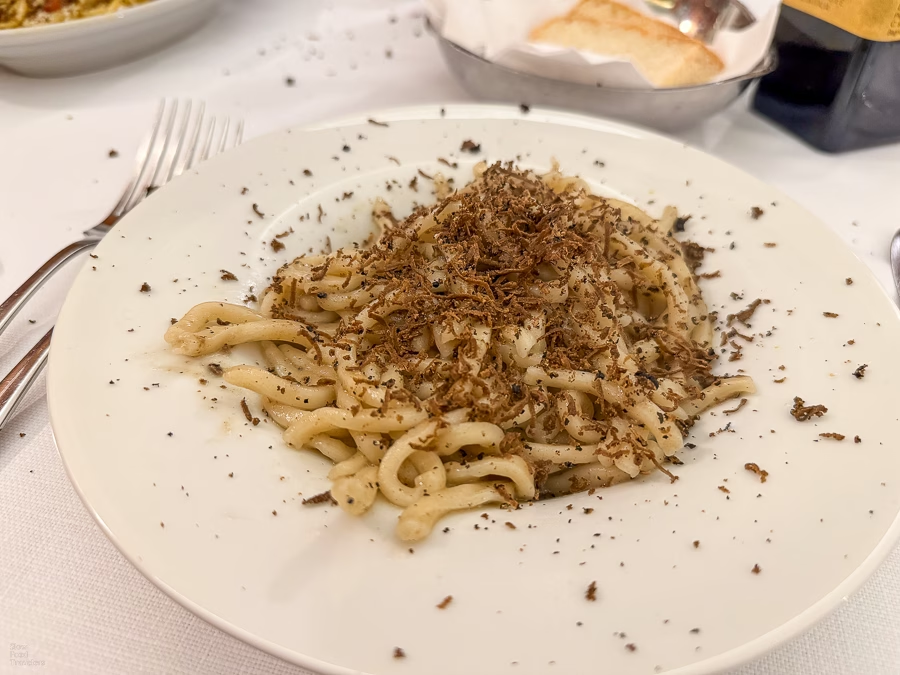
The culinary landscape here is intensely rustic, built entirely around forests, rivers, and livestock. Known throughout Italy for its master butchery traditions, the town of Norcia gave rise to the term norcineria, describing specialized pork shops that produce exceptional cured meats, prosciutto, and wild boar sausages. Umbrian kitchens celebrate earth-driven, robust flavors, leaning heavily on shaved black truffles from the Valnerina woods, hand-rolled umbricelli pasta, wild game, and the rich, green olive oils harvested from steep hillside groves. These simple, ancient flavors are deeply tied to the land, requiring an unhurried sit-down meal in a stone tavern to properly appreciate.
Making the trek to these hilltop communities transforms an ordinary vacation into a deep-dive exploration. The slower itinerary that’s a symptom of the terrain gives you the time to wake up to the sound of valley church bells, explore quiet medieval lanes, and sit down for an unhurried wild boar stew alongside local residents. Taking your time is the only entry point to experiencing the raw, timeless agricultural traditions that continue to anchor Umbrian life.

Best Airports
Perugia San Francesco d'Assisi Airport (PEG), Rome Fiumicino Airport (FCO)
Perugia Airport is Umbria's primary regional airport and the most convenient gateway for exploring the region. While it's much smaller than Italy's major international airports, it offers easy access to Perugia, Assisi, and central Umbria. For travelers flying from outside Europe, Rome Fiumicino Airport (FCO) is often the best alternative thanks to its extensive international flight network and direct train connections into Umbria.
Looking for Airfare?
→ Compare Airlines and Flight Prices.
Estimated Transit Times (Airport → City)
PEG → Perugia Fontivegge Station: ~15–20 minutes by taxi or car.
PEG → Assisi: ~20–25 minutes (car) / ~35–50 minutes (train or bus)
PEG → Orvieto: ~1 hour 30 minutes (car) / ~2–2½ hours (train)
FCO → Perugia: ~2½ hours (car) / ~2½–3 hours (train)
FCO → Assisi: ~2½ hours (car) / ~2¾–3½ hours (train)
FCO → Orvieto: ~1½–2 hours (car) / ~1¼–2 hours (train)
Looking to rent a car?
→ Compare rates and reserve one here.
Train Schedules & Fares
→ Compare prices and secure tickets here.
Need transportation to/from the airport or train station?
→ Schedule a Private Transfer.
Quick Tip
Perugia is Umbria's main rail hub, making it easy to reach destinations like Assisi and Orvieto by train. However, if you plan to explore the region's charming hill towns, vineyards, olive groves, or smaller villages, renting a car is highly recommended. Many of Umbria's most memorable experiences - from family-run wineries and olive oil estates to medieval hamlets tucked into the countryside - are located well beyond the reach of the rail network. A car also gives you the flexibility to enjoy scenic drives through one of Italy's most beautiful rural landscapes.
Assisi sits peacefully on the slopes of Mount Subasio, globally celebrated for its pink-tinged stone architecture and the magnificent, multi-tiered Basilica of San Francesco. While the city draws visitors from around the world, making this town a basecamp reveals a deeply serene medieval community that extends far beyond the main monuments. Exploring the steep, quiet stone lanes, hidden Roman ruins, and residential squares offers a peaceful look at Umbrian hillside life. The local culinary scene remains intimately tied to the surrounding forests and olive groves, highlighting hand-rolled strangozzi pasta with black truffles, wild boar stews, and rich local olive oil. Staying past sunset allows you to experience the true, quiet soul of the town as the evening air settles over the stone streets.

Orvieto grips a dramatic, vertical volcanic tufa cliff in southwestern Umbria, rising sharply above the flat valley floor. Famous for its towering gothic cathedral with a glittering mosaic facade (one of our favorites in all of Italy), the city serves as an ideal anchor for travelers seeking a detailed look at the region's ancient heritage. Orvieto has a network of deep Etruscan roots, quiet cliffside perimeters, and a massive labyrinth of underground caves. The local food culture is deeply tied to the volcanic soil, which fuels the production of crisp Orvieto Classico white wine. The traditional menus showcase robust, land-locked dishes like slow-roasted chingiale, hand-rolled umbrichelli pasta, and dishes enriched with local truffles, rewarding travelers who choose to settle in and explore at a human pace.

Perugia is the grand capital of Umbria, gripping a steep hilltop that overlooks the wide Tiber Valley. As a powerful historic Etruscan center and home to a prestigious university founded in 1308, the city beautifully blends ancient stone architecture with a vibrant, youthful energy. Rather than acting as a quick stopover, Perugia serves as a perfect anchor for an in-depth regional journey, offering a vast underground fortress city, a maze of steep alleys, and quiet gothic arches waiting to be discovered. Navigating this vertical landscape is entirely unique, utilizing a network of modern public escalators that cut straight through centuries-old foundations to link the lower town with the historic summit. The local food scene remains proudly traditional, highlighting handmade pasta tossed in rich wild boar ragù, black truffle spreads, and regional chocolate from the globally-known Baci factory, anchoring a vibrant city center built for walking.


.svg)