


Veneto
From the historic bacari wine bars of the lagoon to the prized terraced vineyards of Valpolicella.
From the historic bacari wine bars of the lagoon to the prized terraced vineyards of Valpolicella.
The Veneto region covers the northeastern corner of Italy, stretching from the limestone peaks of the Dolomites through rolling wine hills down to the salt marshes of the Adriatic Sea. A fast rail line cuts straight across the flat plain, linking the main historic cities in less than an hour. While transit comes easy, this efficiency encourages rushed day trips and tempts visitors to dart into a city center for an afternoon without ever experiencing the quieter, slower pace that takes over the local neighborhoods evening hits.
Culinary traditions in Veneto do not match the global stereotype of Italian food. Instead, they are deeply shaped by Venice's historic spice trade and the region's geography. Here you won’t find the emphasis of tomato sauces and olive oil; instead kitchens put forth rice, corn, and fresh seafood. The marshlands and plains make slow-stirred risottos and creamy polenta the primary starches, paired with baccalà mantecato (a whipped salted cod spread) and bitter, fire-roasted radicchio. These distinct, savory flavor profiles are tied to specific regional ingredients that completely lose their meaning on a rushed tourist menu.
Treating the Veneto as just a quick transit corridor means missing the actual life of the region. Giving these cities a dedicated block of nights allows you to see past the busy train stations and tourist tracks. A slower pace gives you time to have a morning espresso alongside residents in a quiet neighborhood square, walk the canals and riverfronts after the midday crowds melt away, and join the local tradition of late-afternoon wine and small bites. Slowing down your itinerary is the only way to find the real merchant and agricultural history of Venetian life.

Best Airport
Venice Marco Polo Airport (VCE)
Venice Marco Polo Airport is the primary international gateway to Veneto and the most convenient airport for exploring Venice, Verona, and the surrounding region. Located just north of Venice, it offers easy access to both the historic city and the region's excellent high-speed rail network. Treviso Airport (TSF) is another good option for many European flights, while Verona Airport (VRN) is especially convenient if your itinerary begins in western Veneto or around Lake Garda.
Looking for Airfare?
→ Compare Airlines and Flight Prices.
Estimated Transit Times (Airport → City)
VCE to Venezia Santa Lucia Station: ~20–25 minutes by express bus to Piazzale Roma, followed by a short walk across the bridge to the station (or ~25–35 minutes by water taxi).
VCE → Verona: ~1 hour 20 minutes (car) / ~1 hour 30–1 hour 45 minutes (train)
TSF → Venice: ~40–50 minutes (car) / ~50–70 minutes (bus + train)
VRN → Verona Porta Nuova: ~15–20 minutes (car) / ~15–20 minutes via the Aerobus shuttle
Looking to rent a car?
→ Compare rates and reserve one here.
Train Schedules & Fares
→ Compare prices and secure tickets here.
Need transportation to/from the airport or train station?
→ Schedule a Private Transfer.
Quick Tip
Veneto is one of Italy's easiest regions to explore by train. Venice Santa Lucia and Verona Porta Nuova are both major stations on Italy's high-speed rail network, making travel between Venice, Verona, Padua, and Vicenza fast and convenient. If your itinerary focuses on the region's historic cities, there's little need for a rental car. However, a car becomes worthwhile if you plan to explore the Prosecco Hills, Valpolicella wine region, the Dolomites, or smaller villages where public transportation is more limited.
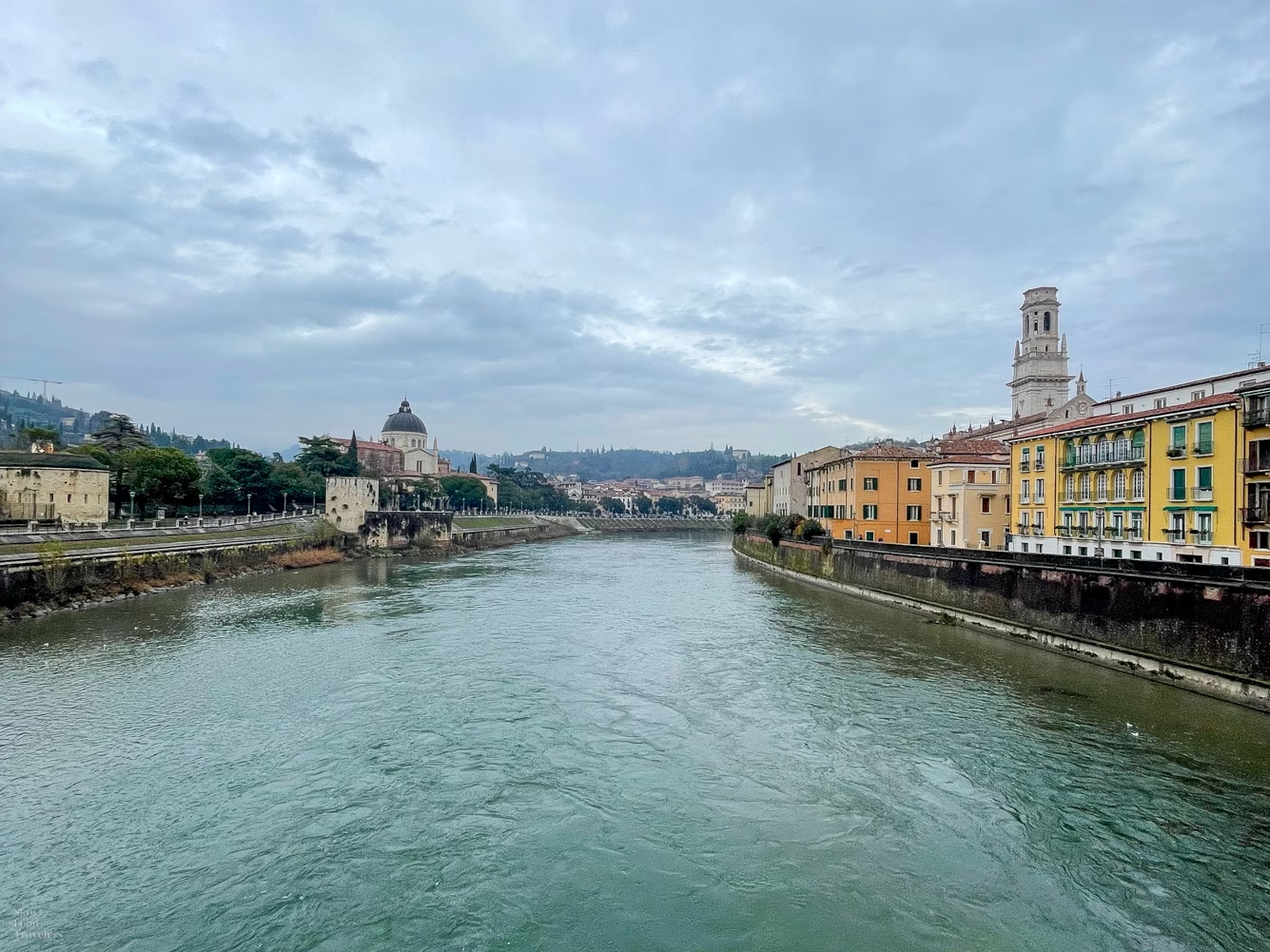
Verona sits in the western Veneto, tucked into a sharp loop of the Adige River at the base of the alpine foothills. Famous as the historic setting for Romeo and Juliet and home to a massive, beautifully preserved first-century Roman Arena, the city gets flooded with daytime visitors who stick to a single path between the ancient amphitheater and the fictional Juliet’s House. Moving away from this crowded zone reveals a sophisticated, wealthy northern Italian city with a deep culinary identity tied to the nearby Valpolicella wine hills. The local menus celebrate rich, slow-cooked comfort foods, highlighting pastissada de caval (horse meat stew), Amarone-infused risotto, and handmade potato gnocchi. Exploring the quiet river banks and Romanesque churches north of the historic center offers an authentic look at daily Veronese life, heavily rewarding travelers who choose to unpack and stay for several nights.
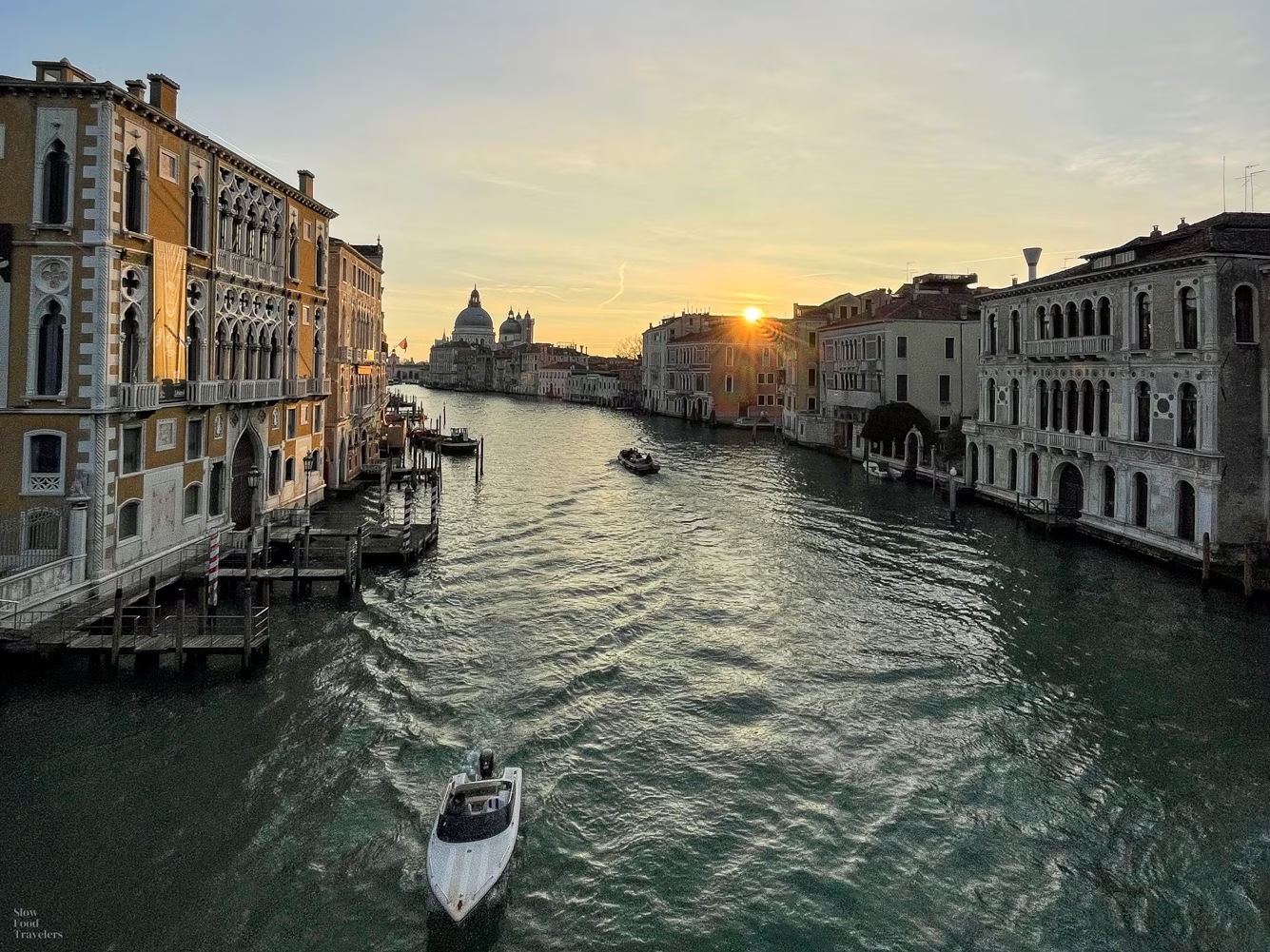
Venice is the historic island city of the Veneto, built on wooden piles driven into the mud of a tidal lagoon. Famous for its car-free stone streets and maze of footbridges, Venice deals with a massive tourist footprint that turns the main path between the train station and Piazza San Marco into a crowded, commercial bottleneck. Most visitors treat the island as a quick stopover, never leaving that single pedestrian track. Stepping just one or two alleys away from the crowds reveals a deeply resilient local culture centered around the bacaro, a traditional Venetian wine bar. The authentic food scene lives in quiet residential neighborhoods like Cannaregio and Castello, focusing on cicchetti (savory small bites), squid ink pasta, and sweet-and-sour sarde in saor. Venice requires an extended, multi-night stay, allowing you to walk the completely silent canals after the last day-tripper boats leave for their next port.

.svg)