


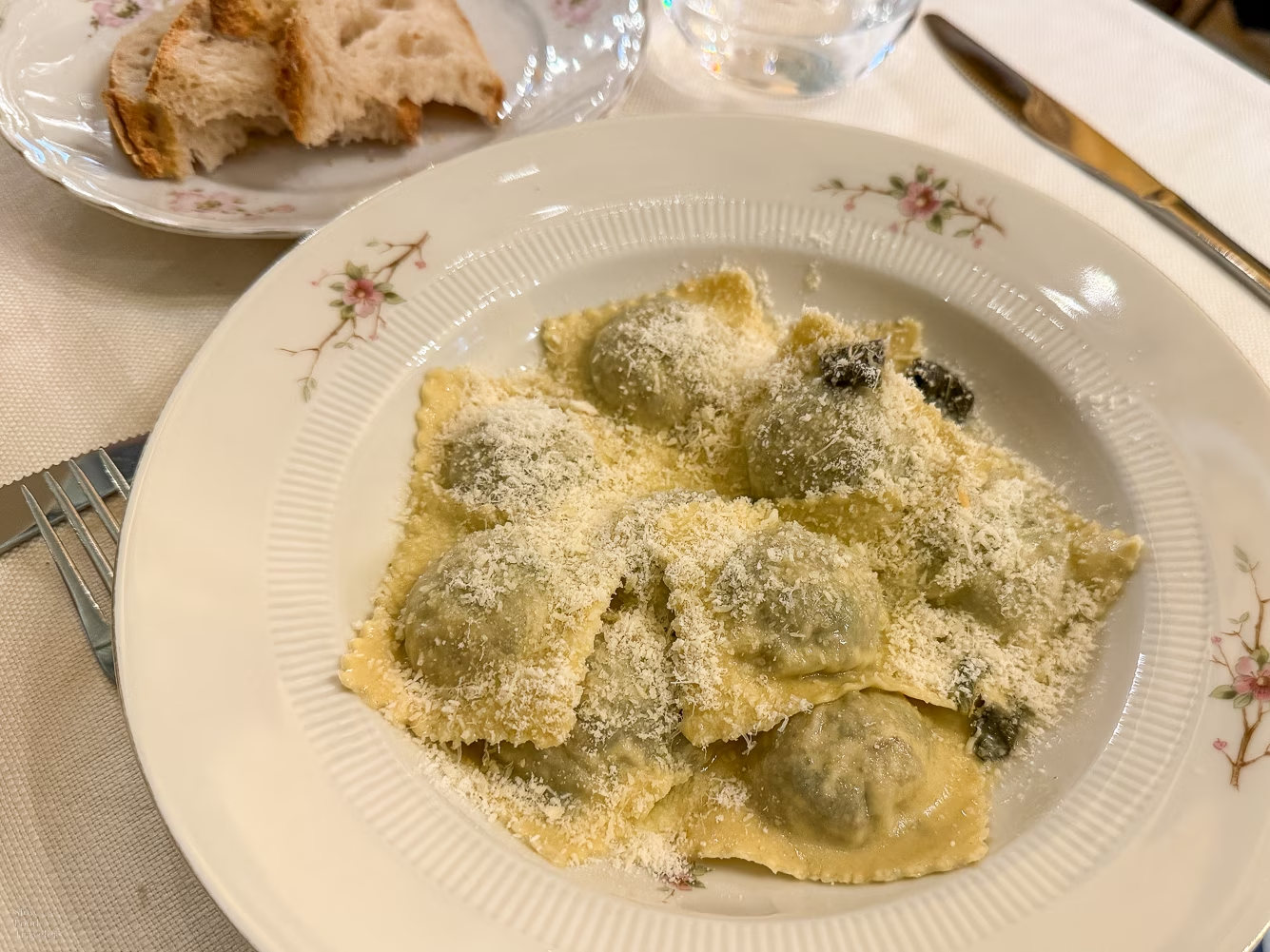
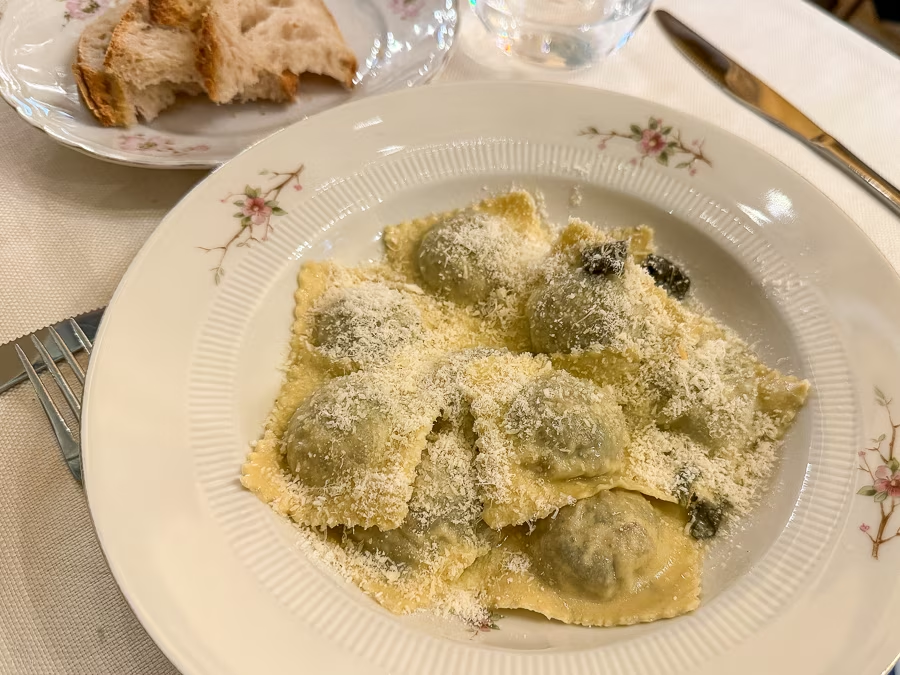
Piedmont
The birthplace of the Slow Food movement, combining exceptional vintage wines and white truffles.
The birthplace of the Slow Food movement, combining exceptional vintage wines and white truffles.
Piedmont is in the northwest corner of Italy, surrounded by the Alps on three sides. The geography shapes everything, from its intense alpine climate to its heavy, French-influenced culinary identity. For travelers, navigating the region requires a bit more intentionality. While the regional capital of Turin is effortlessly connected to Milan by high-speed rail, reaching the premier wine-growing hills and historic small towns to the south means swapping the fast rails for regional lines, local buses, or a dedicated rental car.
The food and wine here are connected to the land, moving past generic Italian clichés. This is the global headquarters of the Slow Food movement, born in the small Piedmontese town of Bra as a direct rebellion against fast food culture. Piedmont is a kingdom of deep, complex agricultural products: the legendary white truffles of Alba, rich hazelnuts, chocolate, and the prestigious Nebbiolo vineyards that produce some of the best wines in the world: Barolo and Barbaresco. These flavors are robust, complex, and tied to specific foggy hillsides and microclimates that require time and proximity to fully understand.
The region completely resists high-velocity sightseeing. Trying to check off Piedmont in just a couple days trip only rewards you with missed connections and a superficial glance at a highly nuanced food culture. Giving Piedmont a dedicated trip allows you to witness the morning fog settle over vineyard ridges, sit down for a lunch in a family-run osteria without wondering ‘what’s next’ on the agenda, and taste handmade pasta tossed in rich pan-drippings without any English translations. Slowing your pace is the only way to unlock the true depth of Italy’s northwest kitchens.

Best Airport
Turin Caselle Airport (TRN)
Turin Airport is the primary regional gateway for exploring Piedmont. It is conveniently located north of the city with direct rail link connections and highway access to the region's main hubs and wine country.
Looking for Airfare?
→ Compare Airlines and Flight Prices.
Estimated Transit Times (Airport → City)
Airport to Torino Porta Nuova: ~20 minutes via the direct train link or ~30 minutes via bus.
TRN → Asti: ~1 hour (car) / ~1 hour–1 hour 20 minutes (train)
TRN → Cuneo: ~1 hour 15 minutes (car) / ~1 hour 50 minutes–2 hours 15 minutes (train)
TRN → Alba: ~1 hour 15 minutes (car) / ~1 hour 55 minutes–2 hours 15 minutes (train)
Looking to rent a car?
→ Compare rates and reserve one here.
Train Schedules & Fares
→ Compare prices and secure tickets here.
Need transportation to/from the airport or train station?
→ Schedule a Private Transfer.
Quick Tip
Torino Porta Nuova and Porta Susa are deeply integrated into Italy's high-speed rail network, making it incredibly easy to navigate major urban corridors like Asti or Novara without renting a car. For city-centric exploration, relying on the train eliminates the hassle of navigating ZTLs (limited traffic zones) or hunting for tight parking spaces. However, a rental car becomes essential if your itinerary takes you into the rolling hills of the Langhe, Roero, or Monferrato to visit artisanal cheese makers, family-run hazelnut groves, and historic wine cellars. Rural Piedmont relies on winding country roads where train lines are sparse and stations sit far from the actual vineyards.
Turin is the capital of Piedmont, positioned where the Po River meets the foot of the western Alps. As Italy’s first capital in the 1860s, the House of Savoy intentionally designed its grand boulevards and royal palaces to mirror Paris, leaving behind a majestic landscape flanked by miles of covered arcades. Culturally, it serves as the historic birthplace of the global Slow Food movement. That philosophy anchors the city's daily café rituals, from morning bicerin to late-afternoon aperitivo, alongside traditional neighborhood kitchens serving vitello tonnato and agnolotti del plin. Despite its world-class Egyptian museum, royal heritage, and deep chocolate-making roots, Turin sees a fraction of the international crowds found in Florence or Rome. It remains a sophisticated, functioning metropolis that refuses to perform for tourism, offering an authentic look at northern Italian city life.
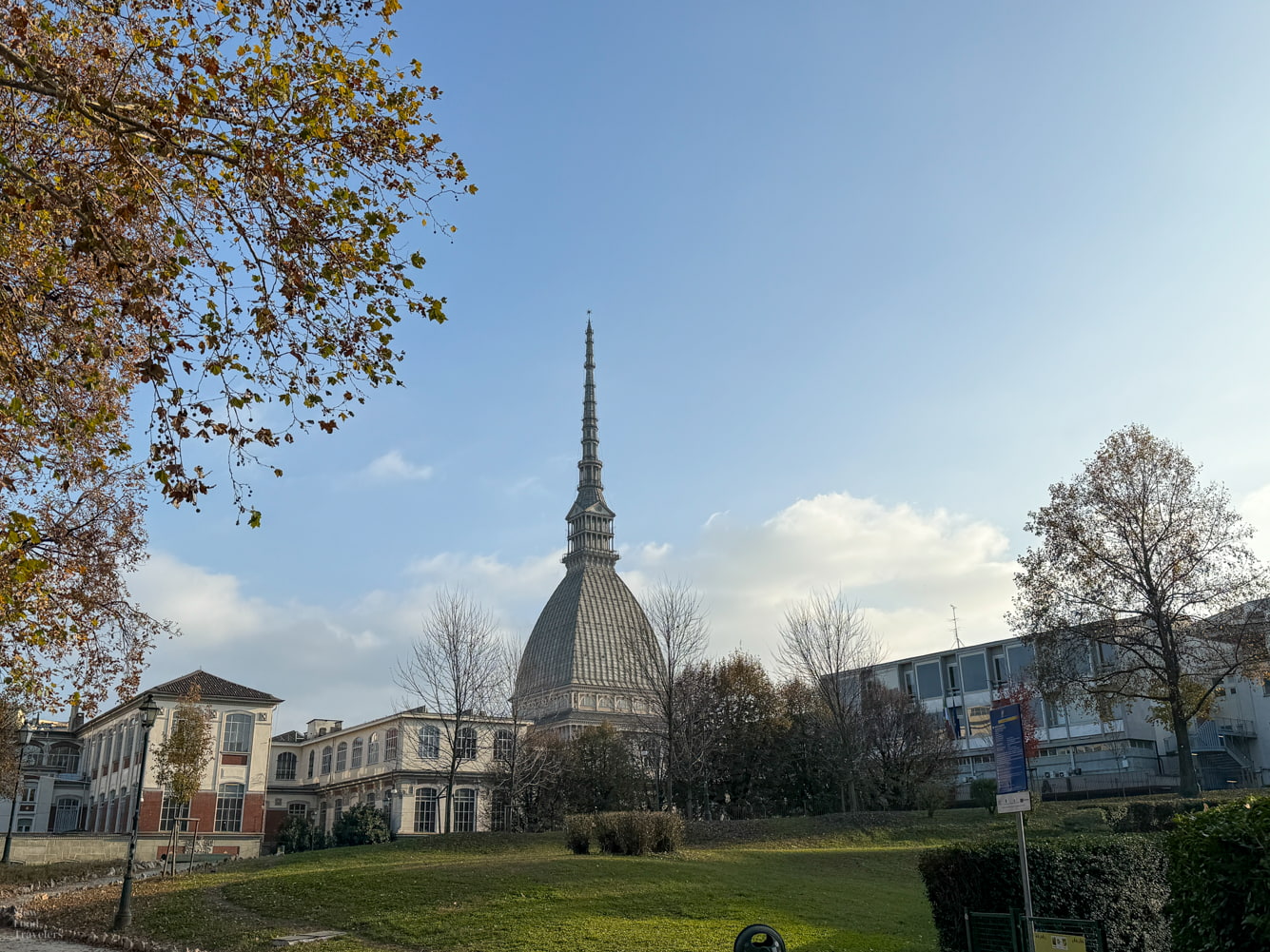
Alba sits in the heart of southern Piedmont’s rolling, vineyard-covered hills, just an hour’s drive south of Turin. It is pivotal to Italy’s slow food culture, located only a few kilometers from Bra, the movement's international headquarters. The town's identity is shaped by three distinct elements: the scent of roasting cacao from local chocolate factories, world-class Nebbiolo vineyards, and the rare white truffle. Each autumn, the International White Truffle Fair draws global culinary attention, yet the town preserves its laid-back shoulder-season pace. Beyond the historic center, Alba functions as a major launchpad for regional culinary experiences. The surrounding countryside is densely packed with independent wineries and hidden village osterias, ranging from the snail-focused kitchens of Cherasco to estate dining in Barbaresco and La Morra. This deep network of nearby culinary gems makes the town the definitive home base for exploring the Langhe wine region.
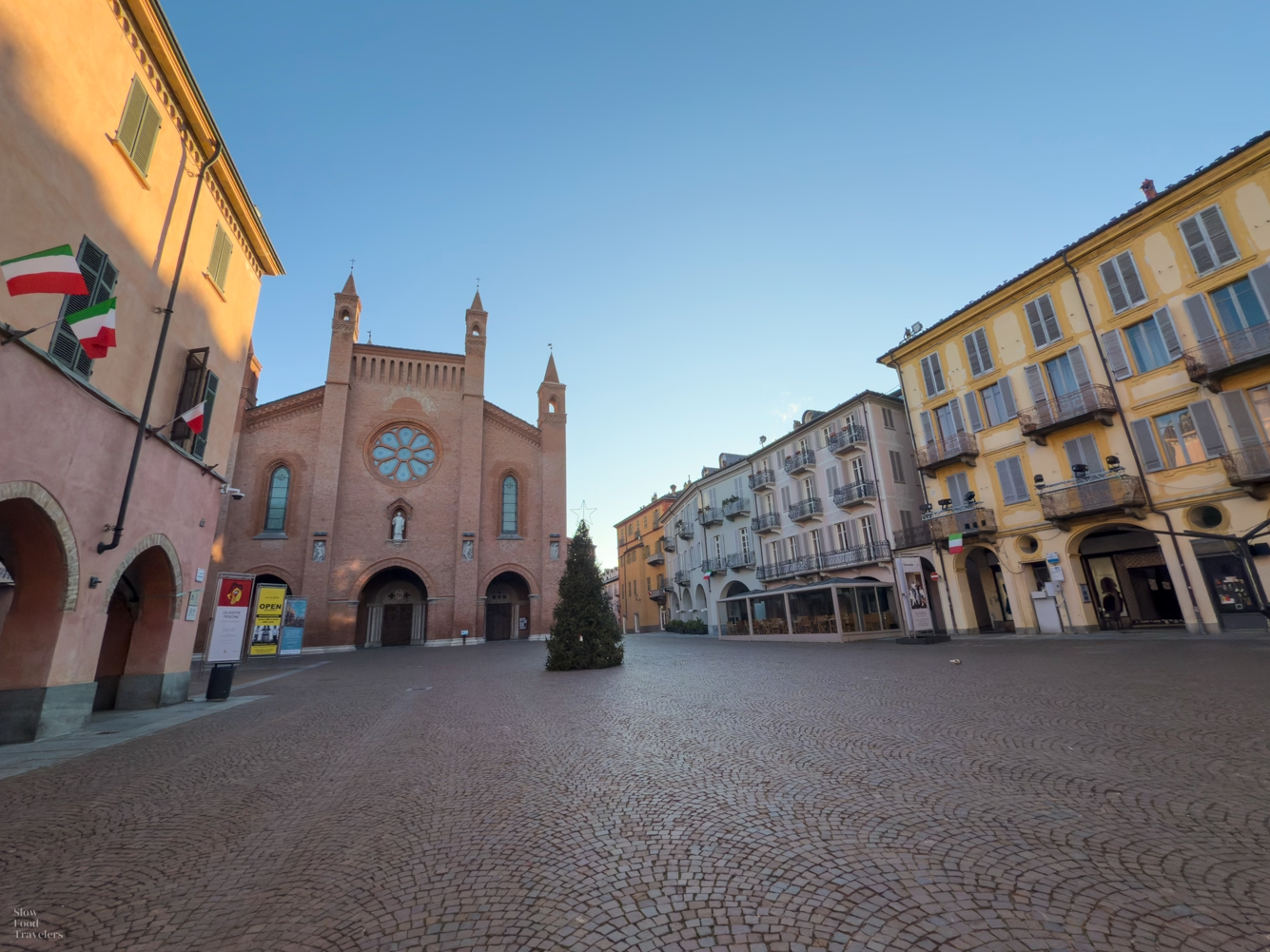
Asti serves as an unfiltered, uncrowded basecamp anchored in the heart of the Monferrato hills. Globally famous for its Asti Spumante and Barbera d'Asti, the town’s winemaking heritage is a true way of life rather than a tourist show. Its flat, walkable historic core is defined by towering brick walls and local markets, entirely free from international tour groups. Asti remains an authentic, working market town with a medieval soul, with no need to compromise its residential rhythm for outside tourism. The culinary scene matches the quality of its vineyards, trading away light Mediterranean fare for Monferrato comfort foods like agnolotti del plin pasta and rich wild boar stews. Asti is an indispensable stop for experiencing a raw, production-first side of Piedmont where locals consistently outnumber visitors.
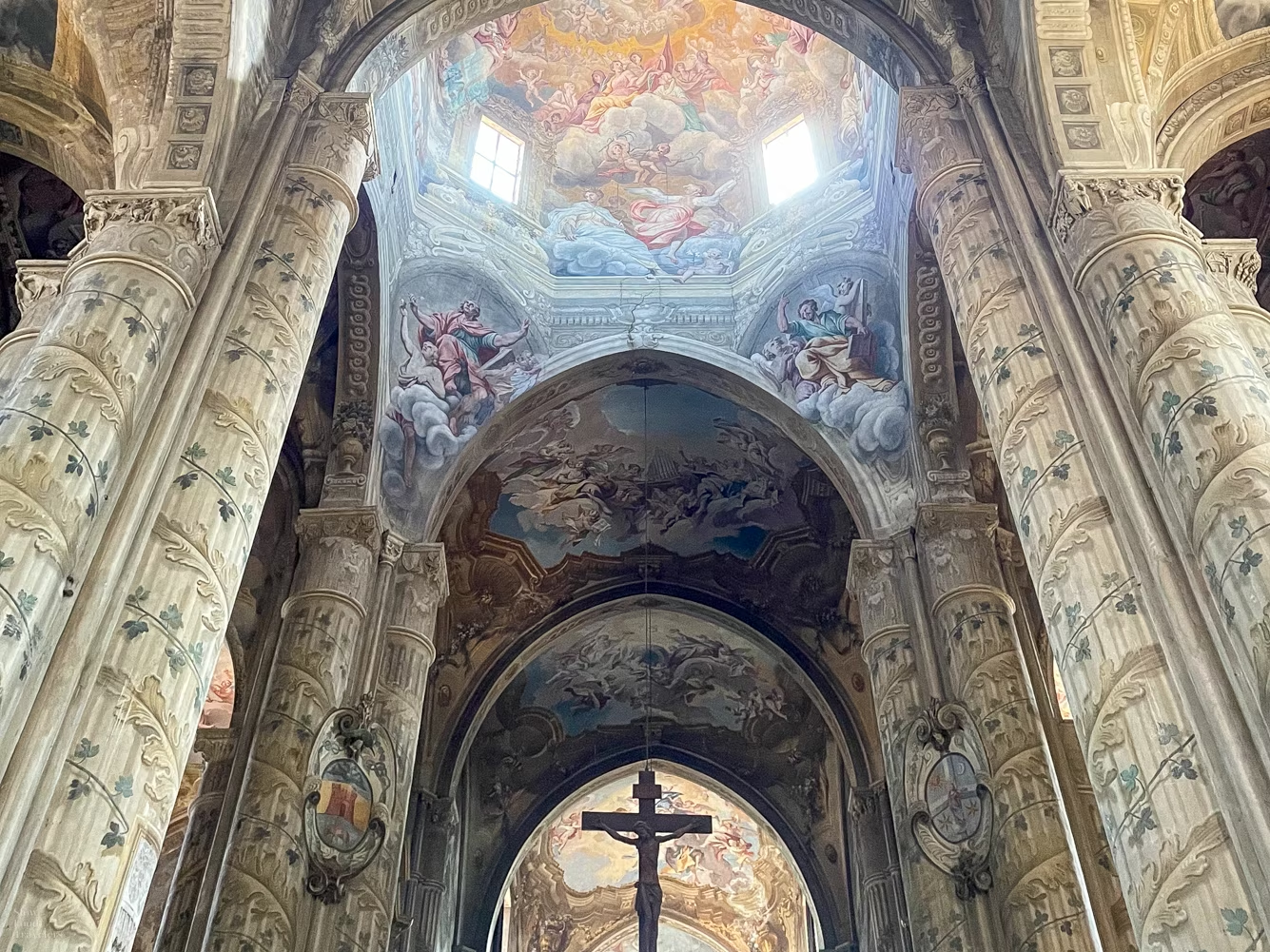
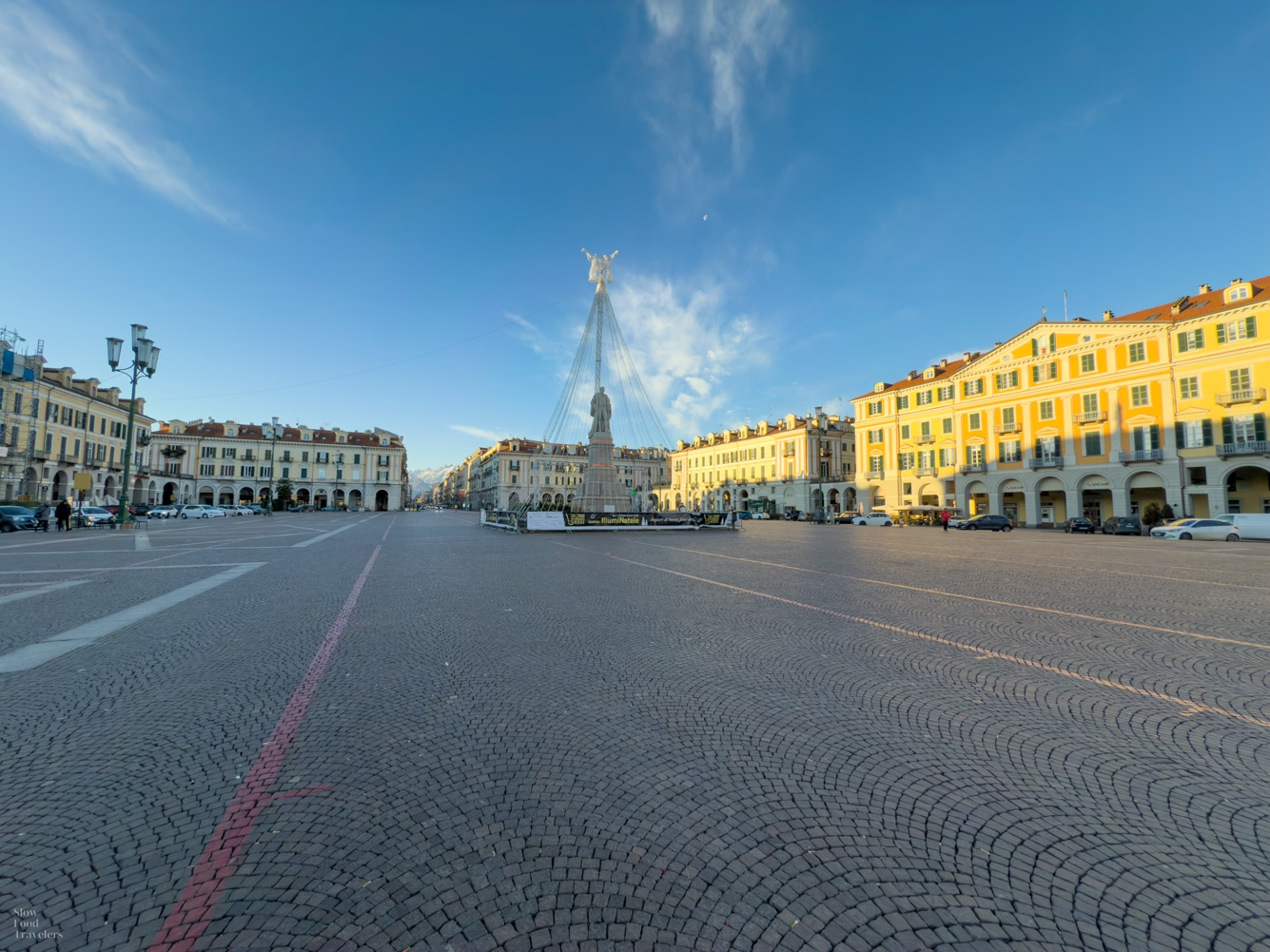
Cuneo takes its name from the Italian word for wedge, describing its distinct triangular layout on a high plateau at the confluence of two alpine rivers. Framed by the snow-capped peaks of the Maritime Alps near the French border, the mountains directly dictate the town's climate and heavy, cold-weather cuisine. Cuneo’s architecture features a unique blend of northern Italian character and historic French influence, utilizing miles of wide, elegant arcades that shield walkers from changing mountain weather. Mainstream international tourists completely bypass this province, leaving its massive open-air markets and historic core purely to the local community. The culinary scene trades away light Mediterranean flavors for intense mountain ingredients, highlighting local chestnuts, wild game, and the pungent, cave-aged Castelmagno cheese. It stands as an indispensable stop for experiencing a raw, uncommercialized side of Piedmontese alpine border culture.

.svg)