


Emilia-Romagna
Italy's ultimate culinary heartland where historic food traditions and artisanal producers rule.
Italy's ultimate culinary heartland where historic food traditions and artisanal producers rule.
Emilia-Romagna runs along the Po Valley in northern Italy, anchored by the ancient Via Emilia, the Roman road that still connects the region's cities in a near-straight line. This clean alignment makes regional transit incredibly simple: hop on a regional train and you are moving between Bologna, Parma, and Modena in under an hour, no rental car required. It extends all the way to the coast to towns like Ravenna, and to major metropolitan hubs like Milan, that can be used to easily get to Emilia-Romagna.
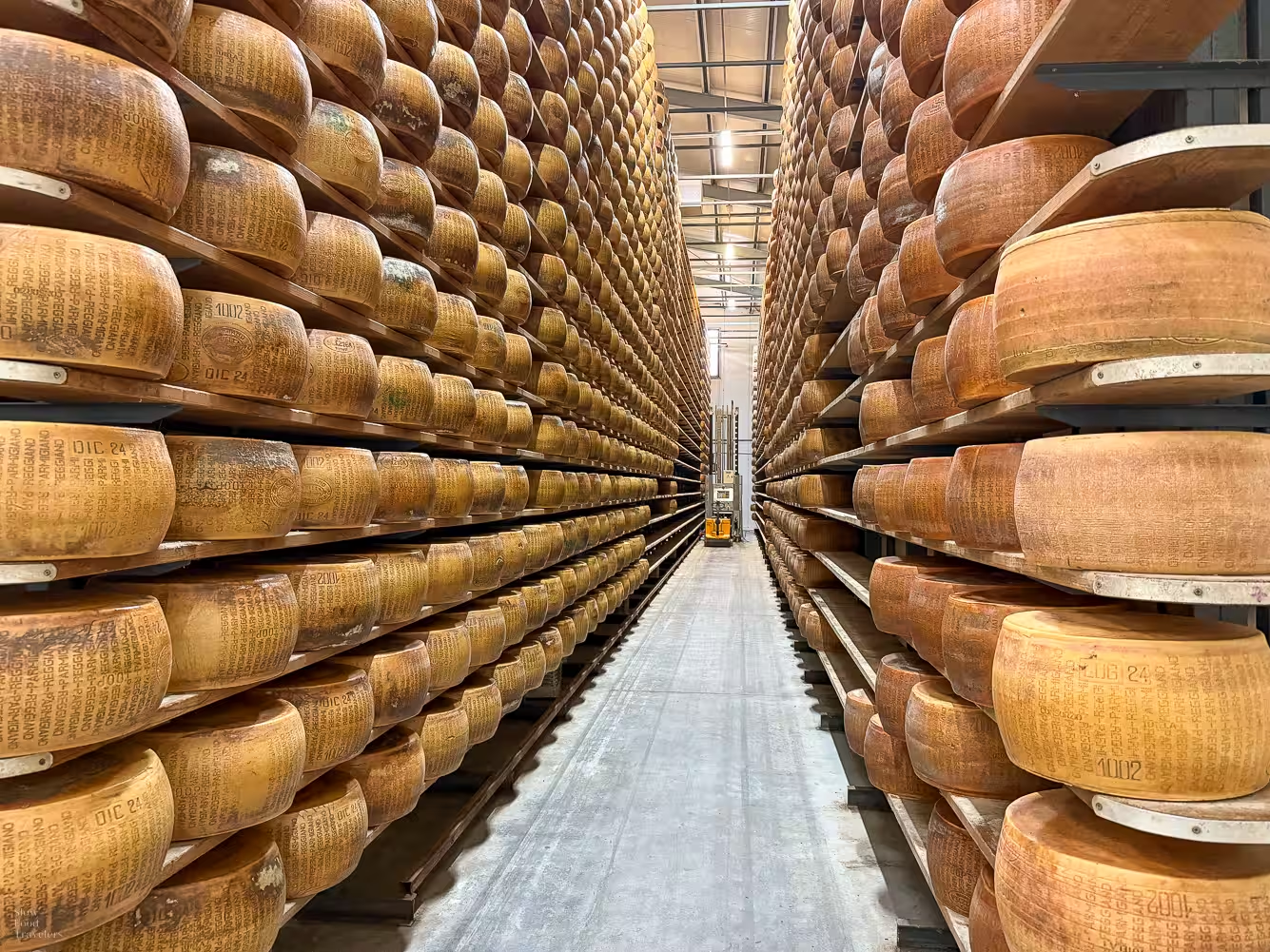
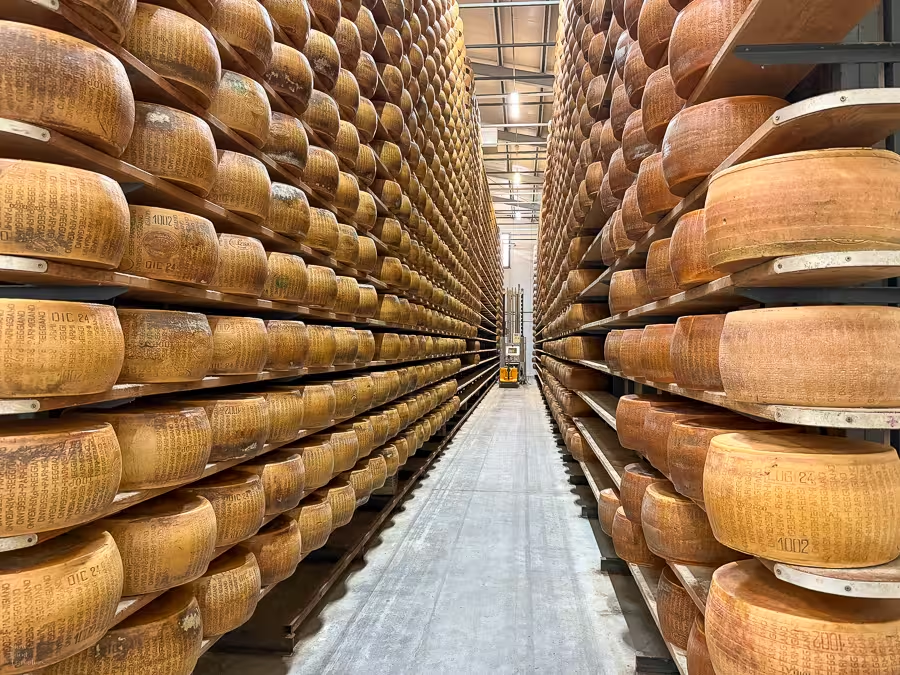
Gastronomy is the definitive reason to visit. Parmigiano-Reggiano, Prosciutto di Parma, Culatello di Zibello, and Traditional Balsamic Vinegar of Modena are just a few of the world-renowned products Emilia-Romagna is known for. These aren't marketing categories, they're products tied to specific microclimates, specific farms, and specific cellars that have been doing this for centuries. The humidity that rolls off the lowlands, the pastures, and the barrels all matter, and producers here will tell you exactly why.
Emilia-Romagna doesn't reward rushing. Give each city two, three, or even four nights, rather than an afternoon. Tour a cheese factory, find your way into the centro storico for lunch without a map, and eat tortellini in brodo somewhere without a menu in English. The pace is the point.

Best Airport
Bologna Guglielmo Marconi Airport (BLQ)
Bologna Airport is the region's largest international airport and the most convenient gateway for exploring Emilia-Romagna. It is centrally located with excellent train connections to the region's major cities.
Looking for Airfare?
→ Compare Airlines and Flight Prices.
Estimated Transit Times (Airport → City)
Airport to Bologna Centrale: ~7 minutes via the Marconi Express monorail.
BLQ → Modena: ~40 minutes (car) / ~35–50 minutes (train)
BLQ → Reggio Emilia: ~1 hour (car) / ~45–60 minutes (train)
BLQ → Ravenna: ~55 minutes (car) / ~1 hour 20 minutes–1 hour 45 minutes (train)
BLQ → Parma: ~1 hour 15 minutes (car) / ~1 hour 5 minutes–1 hour 20 minutes (train)
Looking to rent a car?
→ Compare rates and reserve one here.
Train Schedules & Fares
→ Compare prices and secure tickets here.
Need transportation to/from the airport or train station?
→ Schedule a Private Transfer.
Quick Tip
Bologna Centrale is one of Italy's busiest high-speed rail hubs, making it incredibly easy to explore the main cities of Emilia-Romagna without renting a car. For urban destinations like Parma, Modena, Bologna, and Ravenna, the train is often faster than driving and saves you the hassle of city parking or navigating ZTLs (limited traffic zones). However, renting a car becomes highly beneficial if you plan to venture into the countryside to visit traditional food producers, local vineyards, or smaller medieval villages.
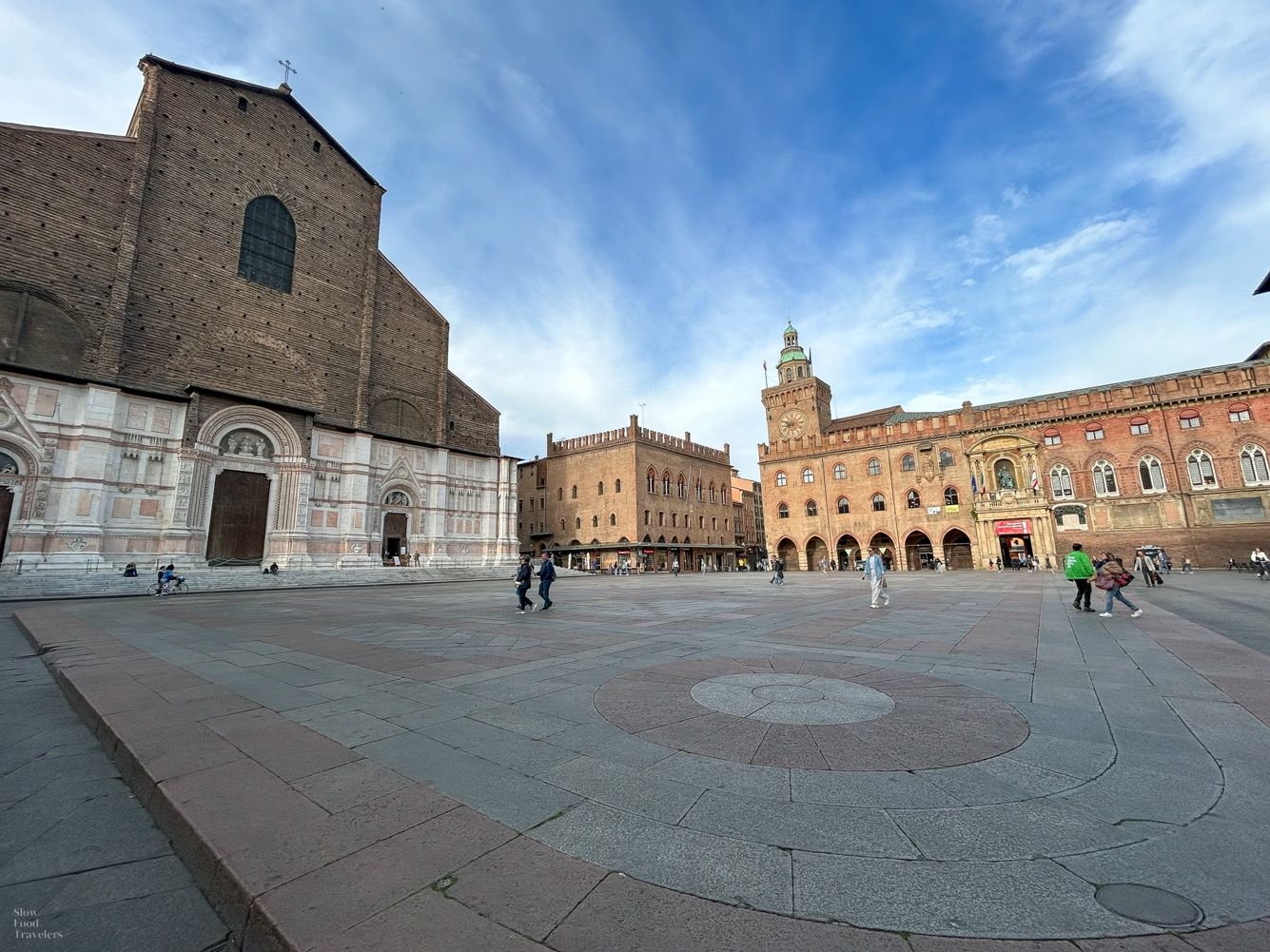
Bologna is the capital of Emilia-Romagna, serving as the physical and culinary anchor for everything the region represents. Known by the historic nickname la grassa (the fat), this city treats food as a central pillar of local identity. It is the birthplace of mortadella, handmade tortellini, and authentic ragù, where local kitchens guard ancestral recipes against modern distortions. Yet, despite its major culinary status and seamless train connections, it often gets overlooked by tourist crowds rushing on high-speed rails between Florence and Venice. It is a capital that refuses to perform for visitors, choosing instead to simply live its daily life. Looking past the central piazzas reveals a labyrinth of medieval porticoes, hidden neighborhood osterias, and ancient market lanes. Exploring these deeper layers offers an authentic look into the city's soul, making it a destination that rewards slow, deliberate discovery rather than a hurried stopover.
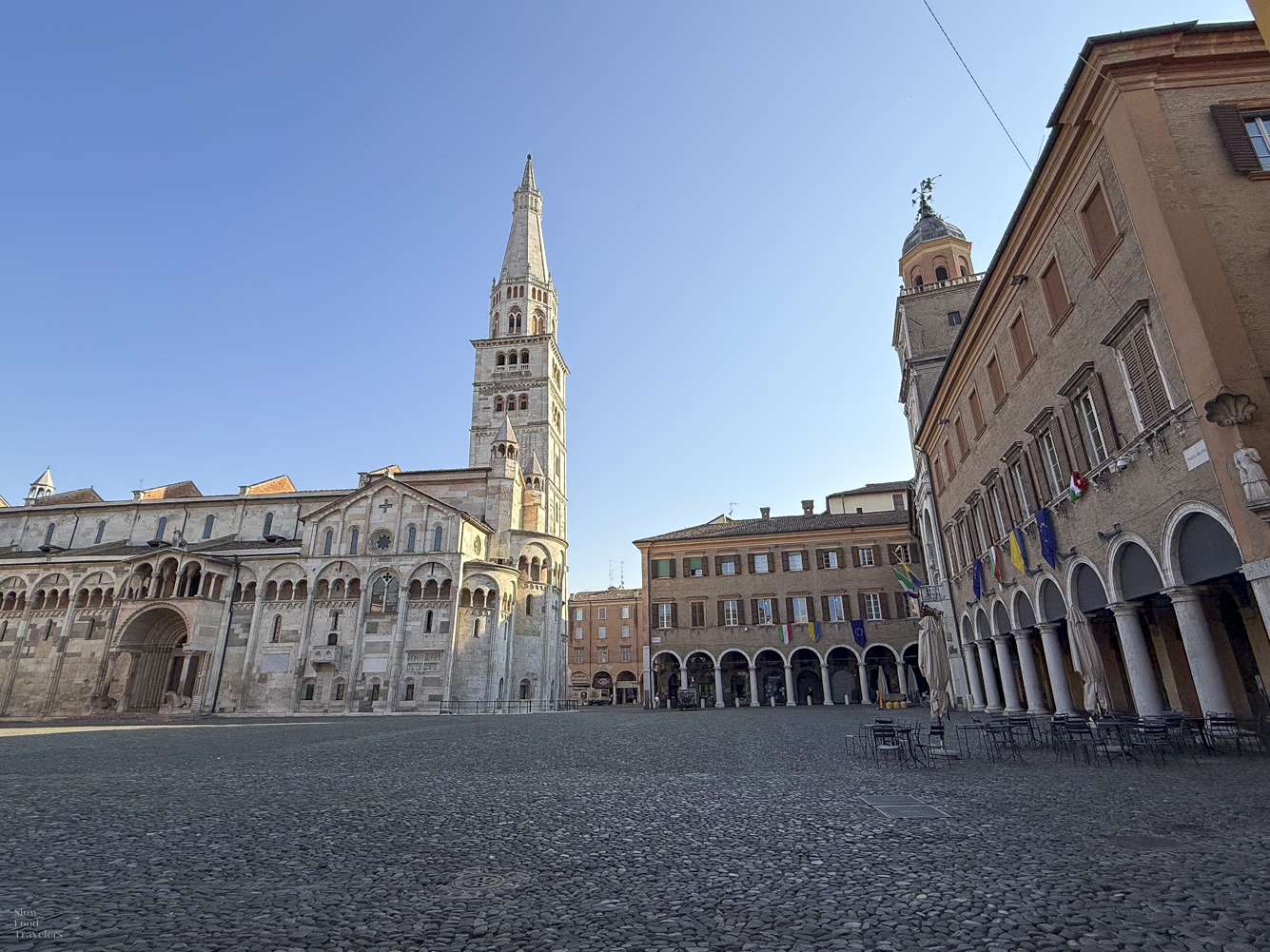
Modena sits in the heart of the Po River Valley, creating the cultural contrast where Italy’s fastest automotive engineering meets some of its slowest culinary traditions. While globally famous for luxury supercars like Ferrari, the true heartbeat of the city belongs to its ancient kitchens and balsamic vinegar cellars. Modena is the birthplace of Traditional Balsamic Vinegar, which is aged for decades in wooden barrels under strict DOP laws (a process dictated entirely by seasons and patience). Traditional tables here favor sparkling Lambrusco, cappellettiin brodo, and warm tigelle flatbreads served with savory whipped pork lard. While many visitors arrive exclusively to tour the automotive museums, the real joy of Modena lies in its everyday gastronomic depth, anchored by an exceptional network of independent neighborhood restaurants and talented local chefs.
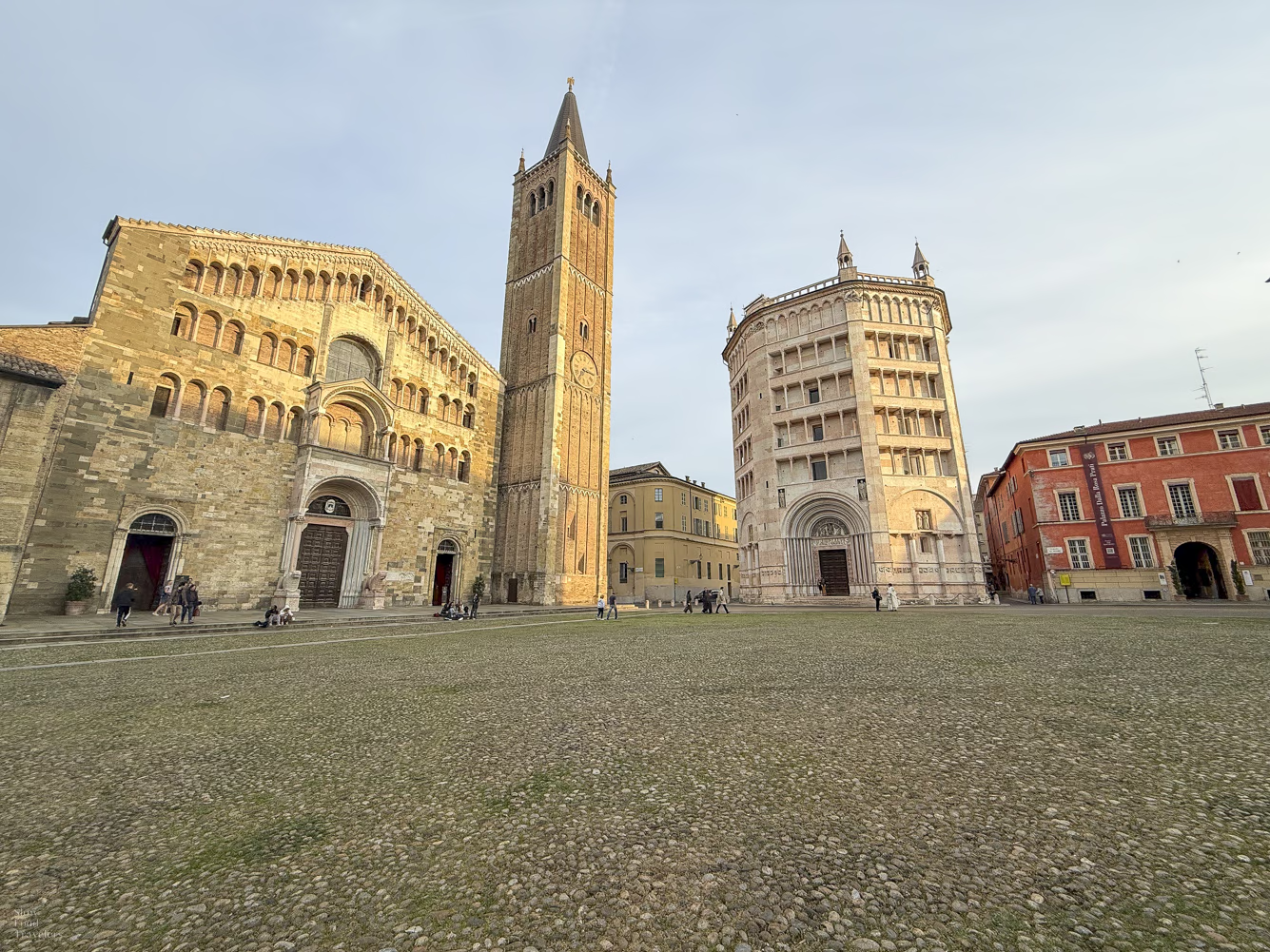
Parma is the birthplace of Prosciutto di Parma and Parmigiano-Reggiano, two products that carry the city's name across the globe. Despite global name recognition, it gets completely bypassed by travelers staring out the window of a high-speed train between Milan and Florence. If it makes an itinerary at all, it’s usually treated as a quick, transactional lunch stop on the way to Bologna. But rushing through this culinary powerhouse misses what makes this elegant university town so remarkable. The center is dominated by the Complesso Monumentale della Pilotta, a massive, weathered brick complex bombed in World War II and rebuilt to house a historic library, an art museum, and the most impressive wooden theater you’ll ever see. Beyond its walls, the streets are remarkably quiet, populated mostly by students and locals. Here, you can admire the striking pink-marble Baptistery, an architectural marvel that easily rivals the famous one in Pisa, without the crowds to see it.
Ravenna sits on the eastern edge of the region, where the Po Valley lowlands meet the Adriatic coast. This quiet town was once the capital of the Western Roman Empire, leaving behind a collection of 1,500-year-old Byzantine mosaics so vibrant they look like they were tiled yesterday. The mosaic legacy thrives today through local artisans who are still contracted worldwide for their mastery. Because Ravenna requires a deliberate train ride to the end of the line, most travelers treat it as a rushed day trip, storming the basilicas before turning right back to Bologna. But doing that only means you miss out on the town's soul. Ravenna is a flat, residential city where cars give way to locals on bicycles, and where heavy inland pastas give way to fresh seafood and flaky piadina flatbreads. Staying overnight lets you watch the monuments empty out and catch the breezy, slow evening pace unique to the coast.

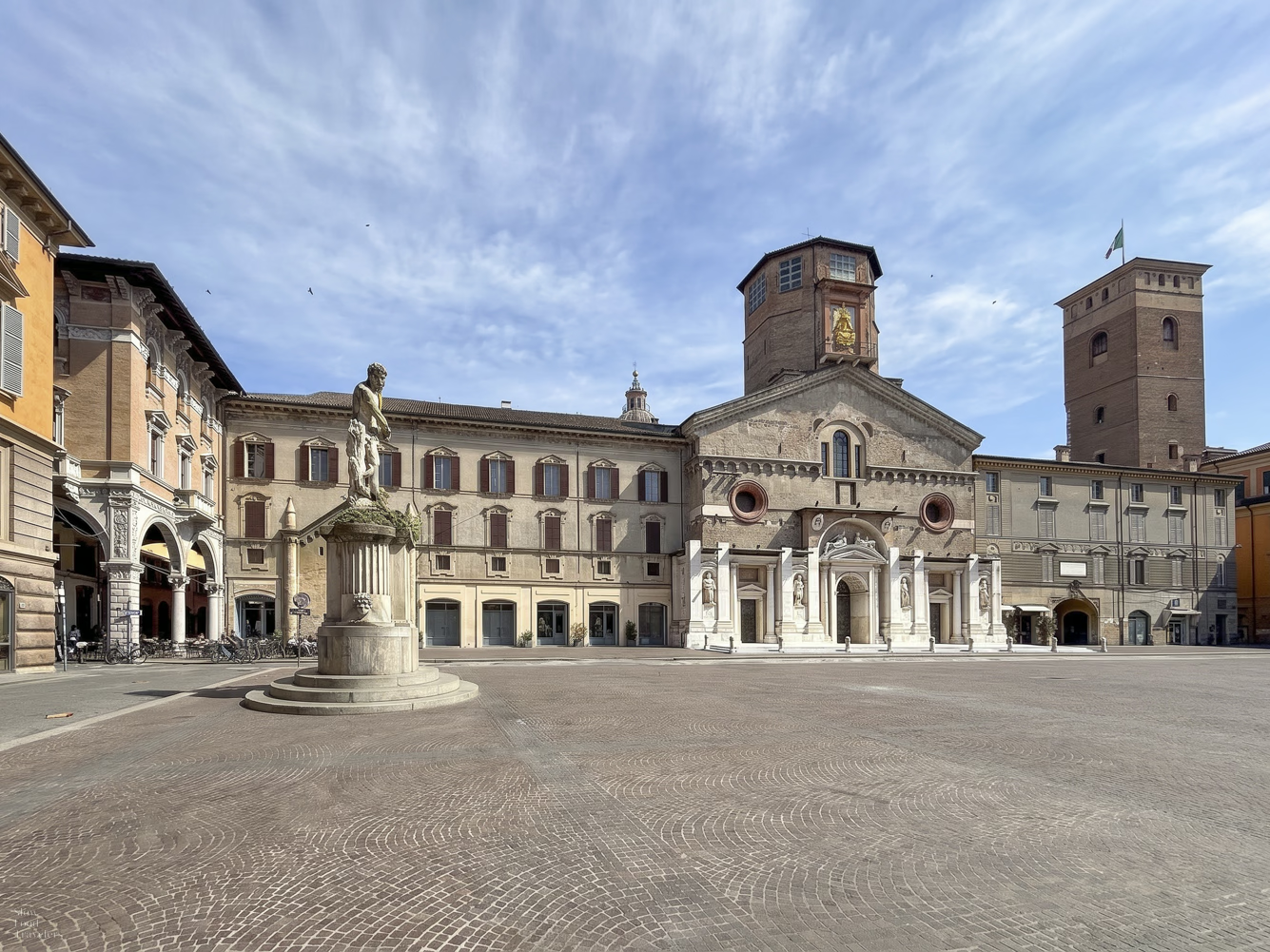
Reggio Emilia is on the historic Via Emilia between Parma and Modena. Flying completely under the mainstream international radar (it’s practically invisible to non-Italians), it consistently ranks at the top for overall quality of life. It holds a major place in Italian national history as the birthplace of the Italian flag, Il Tricolore, adopted here in 1797. Free from mass tourism, this is a prosperous city that actively welcomes visitors with incredible hospitality, offering entirely free admission to its civic museums to encourage exploration. Because international travelers rarely step off the train here, visiting the elegant piazzas during the evening passeggiata often prompts incredibly warm, curious interactions with locals who are genuinely surprised (and delighted!) to see outsiders appreciating their town. It is an exceptional destination for experiencing unadulterated regional specialties like erbazzone and gnocco fritto without tourist markups, offering a completely authentic slice of daily Italian life.

.svg)