


Lombardy
A diverse region where dramatic northern lakes meet alpine valleys, rich cheeses, and comforting rice dishes.
A diverse region where dramatic northern lakes meet alpine valleys, rich cheeses, and comforting rice dishes.
Lombardy spans across central northern Italy, stretching from the peaks of the Swiss Alps down to the flat agricultural plains of the Po River. The entire region is anchored by Milan, acting as a massive transit hub that connects neighboring lake cities and historic lowlands via a dense rail network. For travelers, this efficiency is both a benefit and a trap. While you can reach cities like Como or Pavia by train in under an hour, the ease of transit frequently tempts visitors into treating Lombardy as a collection of frantic day trips, leaving them disconnected from the distinct local rhythms that exist just outside the station platforms.
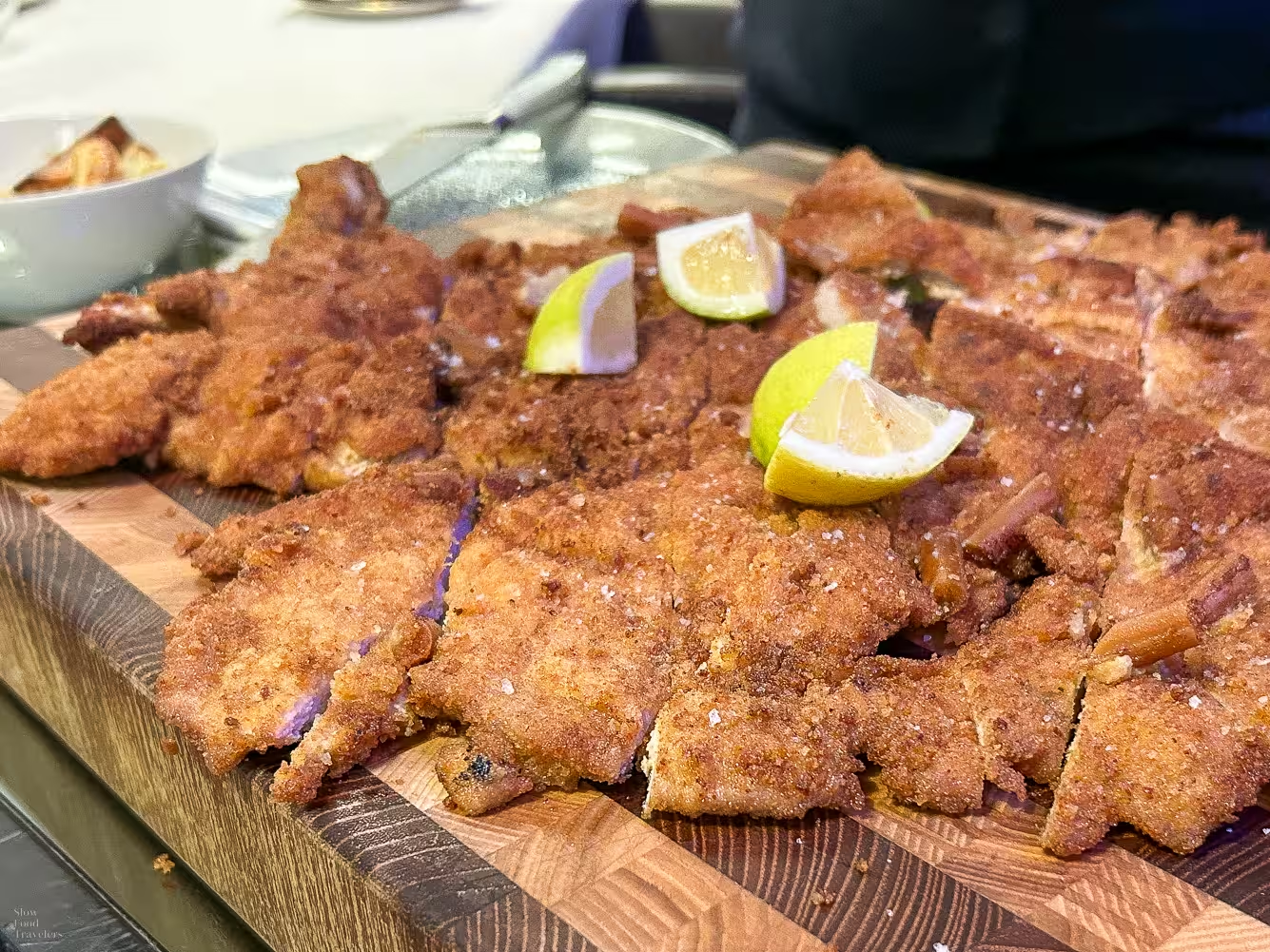
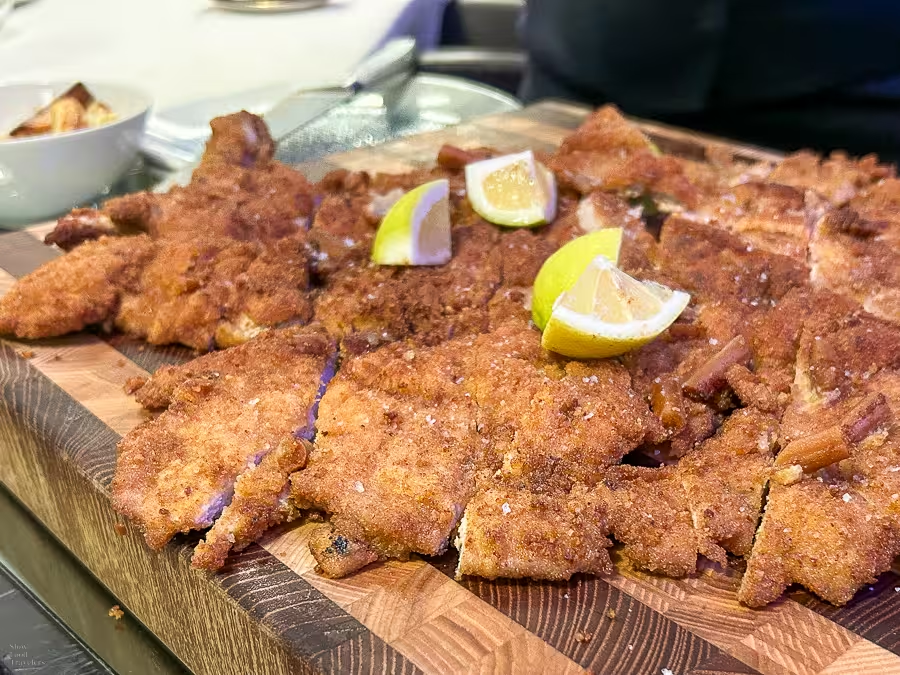
The culinary landscape here completely departs from the global stereotype of southern Italian cooking, trading away tomato sauces and olive oil for dairy, lard, corn, and rice. Because the southern plains of Lombardy are defined by massive wet-rice cultivation and cattle farming, Lombardy is a kingdom of slow-stirred risotto and creamy polenta. The food is unpretentious, heavy, and built for cold winters, rooted in agricultural traditions that have fueled the workforce of Italy’s industrial engine for centuries.
Simply landing at Milan’s three airports and exiting immediately means missing the region entirely, or experiencing only its fast-paced, commercial veneer. Giving these cities and lakeside communities a dedicated block of nights allows you to see past the business-first exterior. A slower pace rewards you with the time to watch the early morning mist rise off a glacial lake, sit down for an unhurried risotto lunch alongside locals off the tourist path, and explore historic brick universities without fighting tour groups. Slowing down is the only way to experience the deep, satisfying culinary traditions that thrive beneath the region's modern surface.

Best Airports: Milan Malpensa Airport (MXP) & Milan Linate Airport (LIN)
Milan Malpensa is Lombardy's largest international gateway, making it the most practical entry point for long-haul continental arrivals. Milan Linate is located incredibly close to the city center, making it the premier choice for travelers arriving via domestic or intra-European flights.
Looking for Airfare?
→ Compare Airlines and Flight Prices.
Estimated Transit Times (Airports → City)
MXP to Milano Centrale: ~50 minutes via the Malpensa Express train. LIN to Central Milan (San Babila): ~12 minutes via the M4 metro line.
Looking to rent a car?
→ Compare rates and reserve one here.
Train Schedules & Fares
→ Compare prices and secure tickets here.
Need transportation to/from the airport or train station?
→ Schedule a Private Transfer.
Quick Tip Milano Centrale and Milano Porta Garibaldi are massive European rail hubs, making regional travel to urban centers or lake ports remarkably efficient without a vehicle. For a trip focused on exploring Milan's city center, historical Pavia, or the waterfront of Como town, public transit bypasses heavy suburban traffic, high parking fees, and complex ZTL (limited traffic zone) enforcement. However, renting a car is a major asset if your itinerary extends beyond the main lakeside train terminals into the rural areas. This is especially true for deep-dive culinary scouting trips to the historic cheese producers of the alpine valleys or the family-run vineyards of the Oltrepò Pavese wine hills south of Pavia, where local transit is sparse.
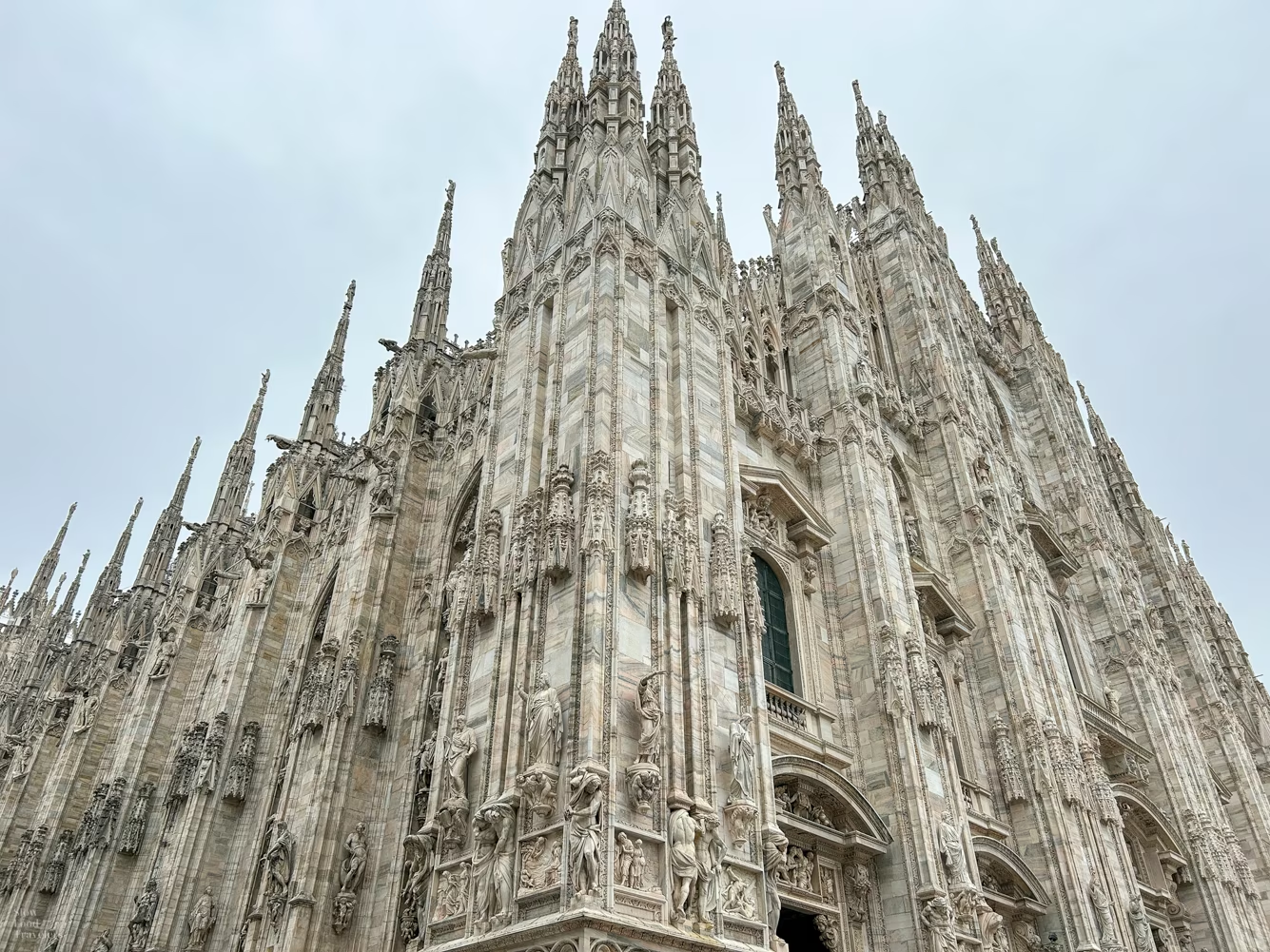
Milan is the fast-paced capital of Lombardy, standing as Italy’s undisputed center of fashion, design, and finance. Because it serves as a major international transit hub, most travelers experience the city as a brief stopover to get a glimpse of the Duomo or the Last Supper before moving on, completely missing that Milan has masterfully preserved its deep historical soul. Culturally and geographically, the city anchors a region of stark contrasts. It sits where alpine foothills meet the agricultural lowlands that fuel its iconic, saffron-infused risotto alla milanese and rich ossobuco. Yet, fueled by its history as a global design and textile capital, Milan also hosts one of Europe’s oldest and most dynamic Asian culinary enclaves. Stepping into the vibrant, pedestrianized Via Paolo Sarpi district reveals an exceptional landscape of authentic regional Chinese noodle shops, dim sum, and Sichuan hotpots. Milan rewards an extended stay, offering an authentic look at a cosmopolitan northern Italian life where centuries-old Lombard kitchens happily coexist with cutting-edge international food scenes.
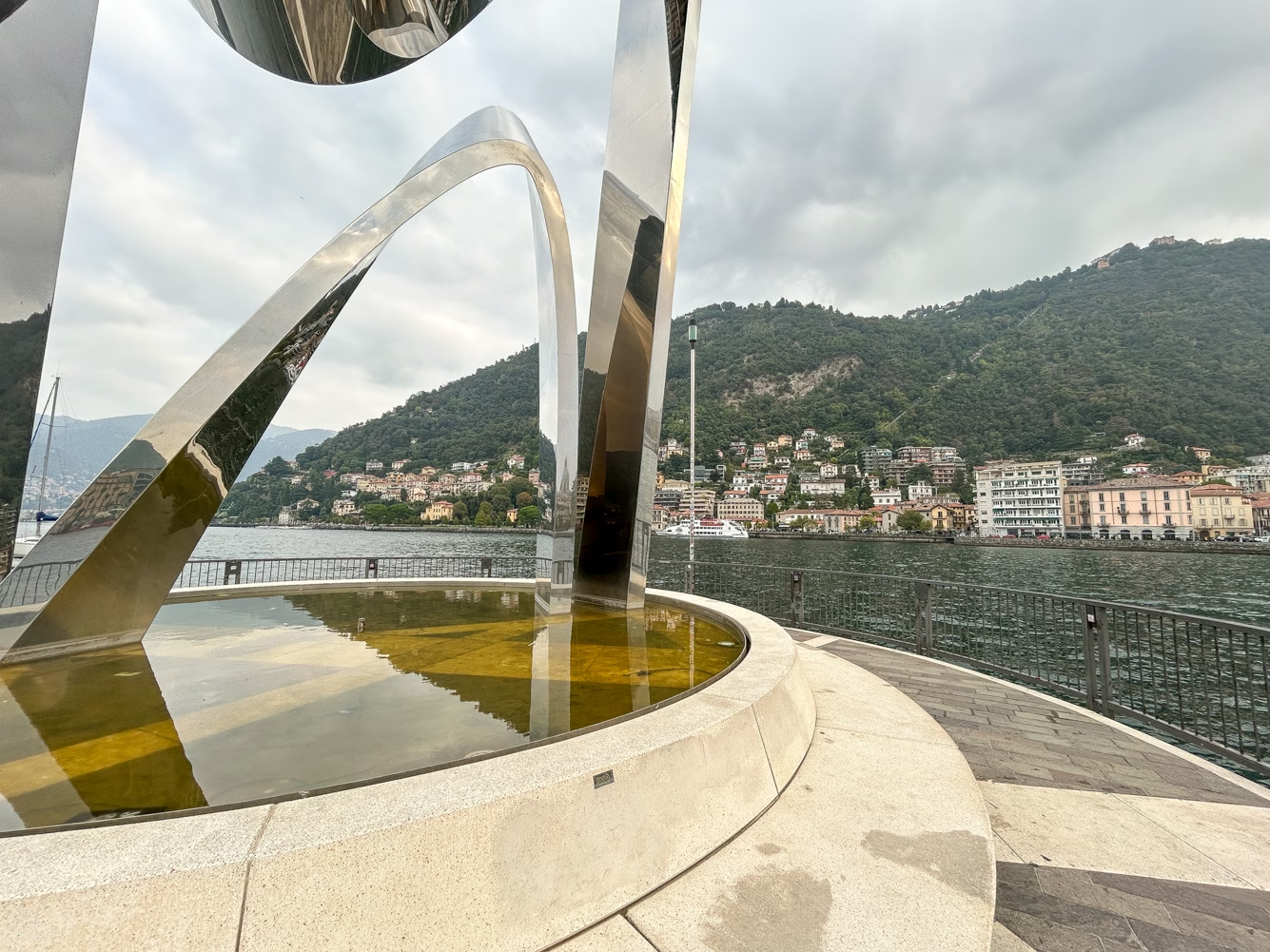
Como sits at the southwestern tip of its namesake, Y-shaped glacial lake, acting as the primary gateway to Lake Como. While countless travelers pass rapidly through the transit hubs on their way to crowded mid-lake resorts, establishing a base inside Como’s historic center reveals a vibrant city encircled by medieval defensive walls. The local culinary landscape directly reflects this unique lakeside and mountain ecosystem, trading the heavy meat focus of the lower Lombard plains for fresh lake-caught fish served alongside polenta. Navigating past the busy waterfront into the quiet residential piazzas reveals traditional trattorias that serve the local community rather than the tourist tracks. Staying in the city center offers a peaceful, slow-paced look at daily lake life that a brief afternoon stopover completely misses.
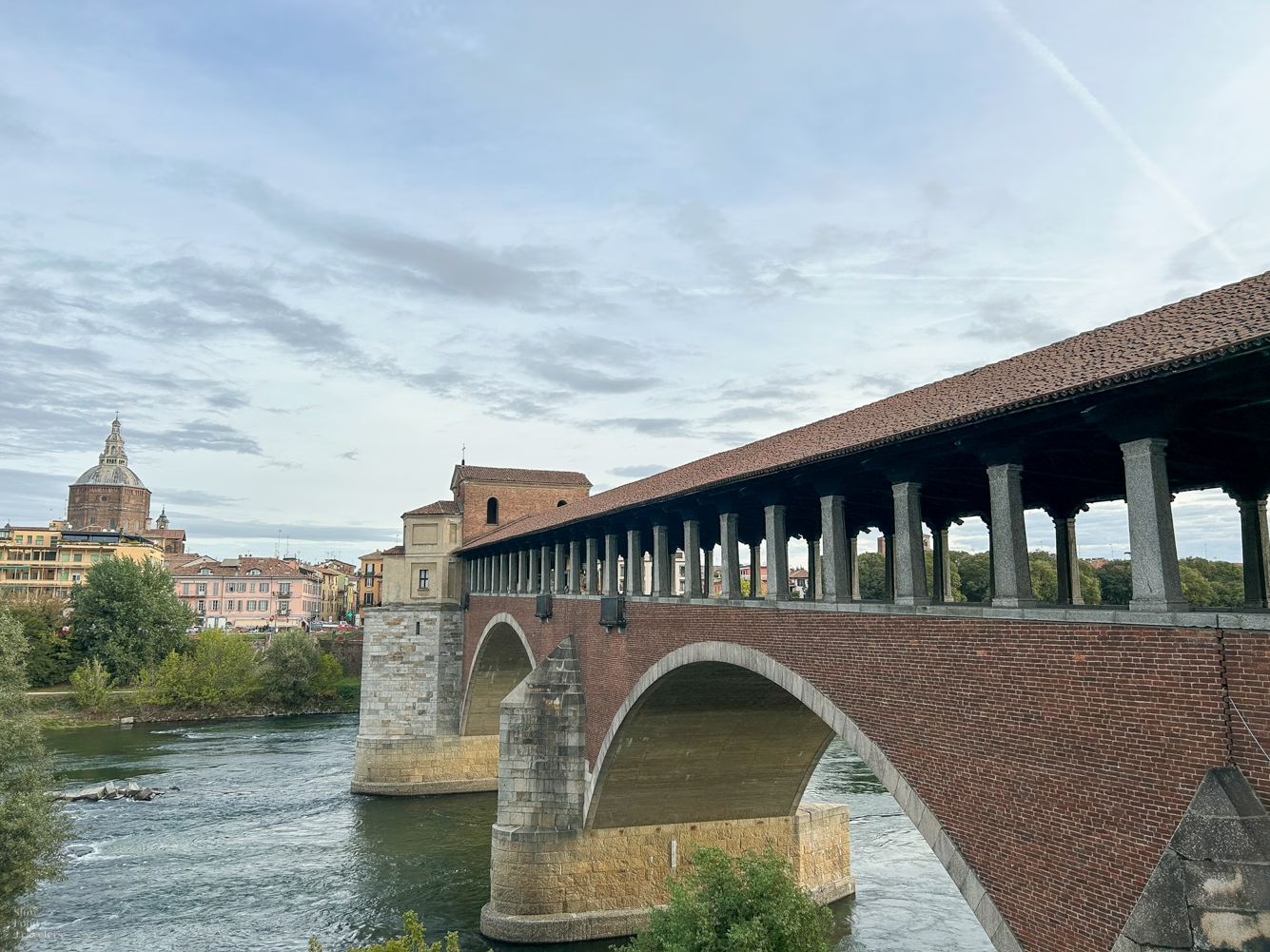
Pavia sits just a short train ride south of Milan, positioned along the banks of the Ticino River in the flat agricultural lowlands of central Lombardy. Defined by its historic university established in 1361, Pavia maintains a vibrant academic energy while remaining free of heavy international tourist crowds. The vast, flooded rice fields encircling the province make Pavia a primary hub for Italian rice production, directly dictating a local food scene that treats traditional Lombard risotti as an absolute art form. Beyond its medieval brick towers and covered bridge, the city serves as the ultimate northern gateway to the rolling vineyards of the Oltrepò Pavese wine region, famous for its structural Pinot Nero and traditional-method sparkling wines. Walk past the central squares to find quiet lanes filled with unpretentious osterias, offering an exceptional look at a community deeply tied to its agricultural roots.

.svg)