


Liguria
A dramatic coastal landscape of cliffside towns, famous for fresh seafood and sun-soaked Mediterranean flavors.
A dramatic coastal landscape of cliffside towns, famous for fresh seafood and sun-soaked Mediterranean flavors.
Liguria forms a narrow, crescent-shaped strip of coastline in northwestern Italy, squeezed tightly between the warm waters of the Ligurian Sea and the vertical cliffs of the Maritime Alps. The geography is completely vertical, featuring colorful fishing villages that cling to steep rock faces and historic stone terraces that rise straight out of the water. Because high-speed trains cannot navigate this challenging terrain, the local rail network cuts through a continuous sequence of coastal tunnels, popping out at seaside stations every few minutes. This unique coastal landscape is tailor-made for an immersive travel experience, inviting you to slow down and explore the maritime communities on a deeper level.
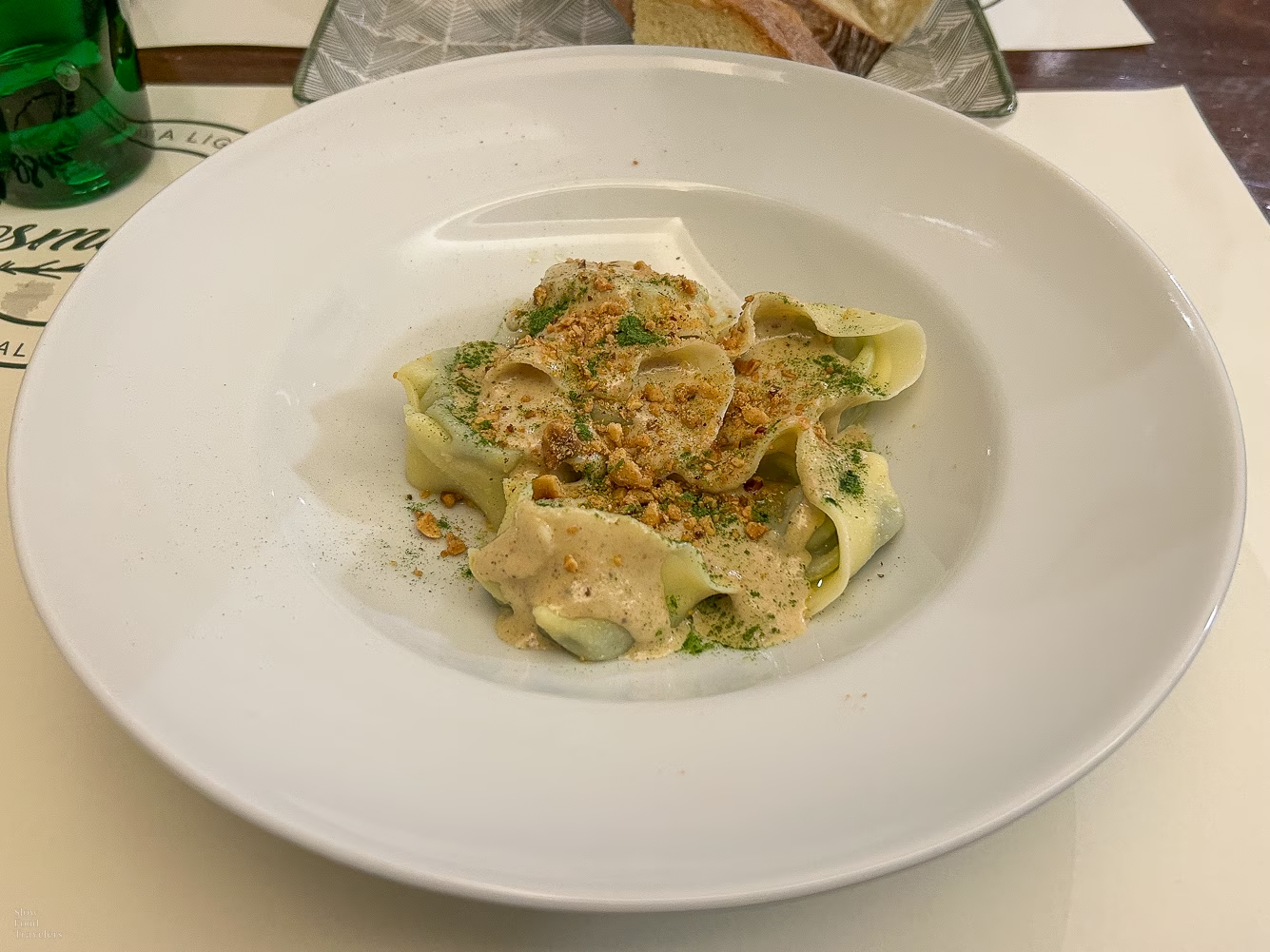
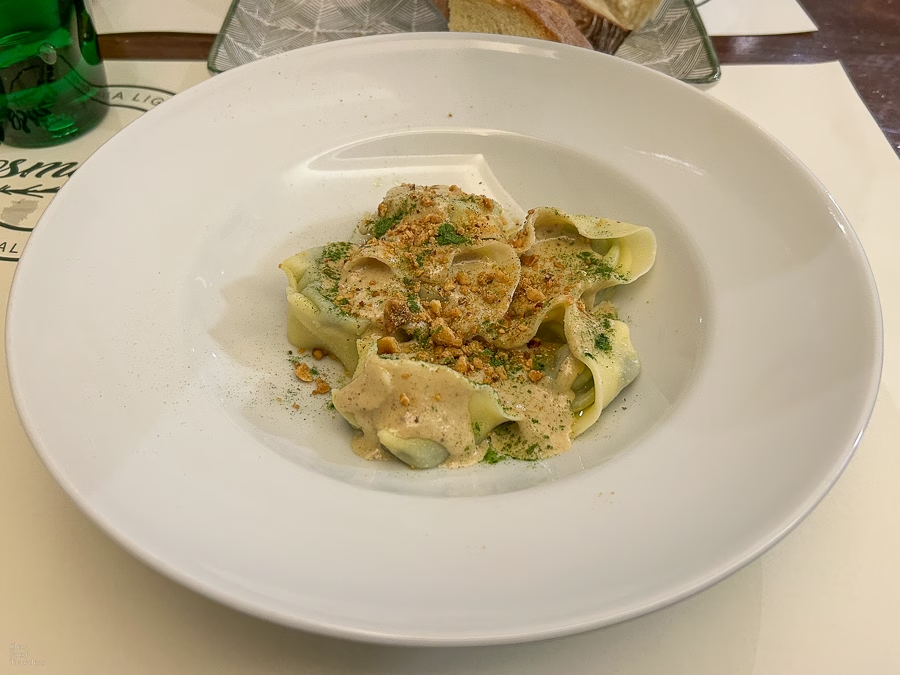
The culinary traditions of Liguria are entirely unique, shaped by the absolute necessity of cooking with whatever could grow on vertical cliffs or be pulled from the sea. This is the birthplace of pesto alla genovese, where fragrant local basil, pine nuts, garlic, and pecorino are crushed into a rich paste that coats twisted trofie pasta. Because land for cattle was nonexistent, the local kitchen relies on extra virgin olive oil rather than butter, using it to grease massive trays of crisp, salted focaccia and chickpea farinata. The tables highlight delicate white wines, fresh anchovies, and wild herbs gathered from the cliffs, creating clean, vibrant flavor profiles that celebrate the sea.
Staying inside these maritime communities allows you to truly connect with the regional rhythm. Enjoying a quiet morning walk along the stone breakwaters, eating warm focaccia directly from a neighborhood bakery, and watching the fishing boats return to port at dusk makes for an itinerary that experiences the true, deep-seated seafaring and cliff-side agricultural traditions of Ligurian life.

Genoa Cristoforo Colombo Airport (GOA), Milan Malpensa (MXP), Nice Côte d'Azur Airport (NCE)
Genoa Airport is the primary gateway to Liguria and the most convenient airport for exploring Genoa, Santa Margherita Ligure, Portofino, and much of the Italian Riviera. Located just west of the city center, it offers quick access to Liguria's extensive coastal rail network. For travelers visiting the eastern or western Riviera, Milan Malpensa (MXP) and Nice Côte d'Azur Airport (NCE) can also be convenient alternatives depending on your itinerary.
Looking for Airfare?
→ Compare Airlines and Flight Prices.
Estimated Transit Times (Airport → City)
GOA to Genova Piazza Principe: ~30 minutes via the Volabus Airport Shuttle or ~20–25 minutes by taxi.
GOA → Santa Margherita Ligure: ~40–50 minutes (car) / ~45–60 minutes (train)
MXP → Genoa: ~2 hours (car) / ~2–2½ hours (train)
MXP → Santa Margherita Ligure: ~2–2½ hours (car) / ~2¾–3½ hours (train)
NCE → Genoa: ~2 hours (car) / ~3–3½ hours (train)
Looking to rent a car?
→ Compare rates and reserve one here.
Train Schedules & Fares
→ Compare prices and secure tickets here.
Need transportation to/from the airport or train station?
→ Schedule a Private Transfer.
Quick Tip
Liguria's coastal towns are exceptionally well connected by train, making it easy to travel between Genoa, Santa Margherita Ligure, Portofino (via Santa Margherita or Rapallo), and even the Cinque Terre without a car. Driving along the Riviera can be slow due to narrow coastal roads, heavy seasonal traffic, and limited parking in historic towns. If your itinerary focuses on the coastline, the train is almost always the fastest and least stressful option. Consider renting a car only if you plan to explore Liguria's inland villages, mountain roads, or lesser-known countryside beyond the rail network.
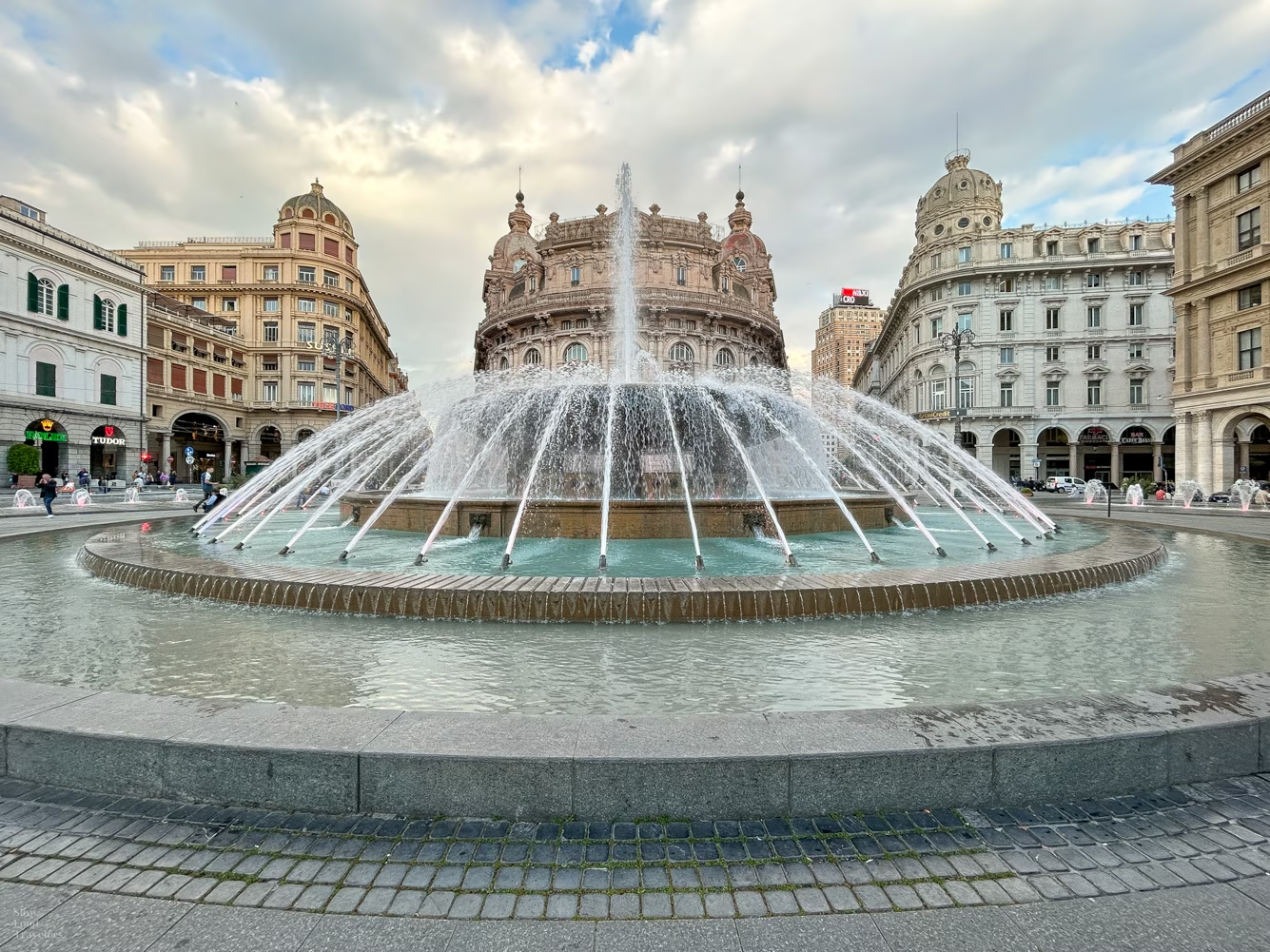
Genoa is the capital of Liguria and Italy’s largest seaport, offering a raw maritime experience that stands in sharp contrast to the polished tourist tracks of neighboring regions. Pinched tightly between the Mediterranean Sea and the steep Apennine mountains, the city features a dramatic vertical landscape defined by tree-lined hillside parks, grand palaces, and Europe's largest medieval old town. This historic core is a maze of narrow alleyways known as caruggi, which open up into sun-drenched piazzas filled with local life. Genoa doesn't perform for visitors; it remains a proud, working port city with an authentic backbone. For the culinary traveler, Genoa is an absolute paradise. The unique microclimate produces incredibly aromatic basil, serving as the foundational ingredient for authentic pesto alla genovese. Local side streets are filled with historic shops selling fresh coastal seafood cones and warm, olive-oil-drenched focaccia straight from the pans, untouched by mass tourism.
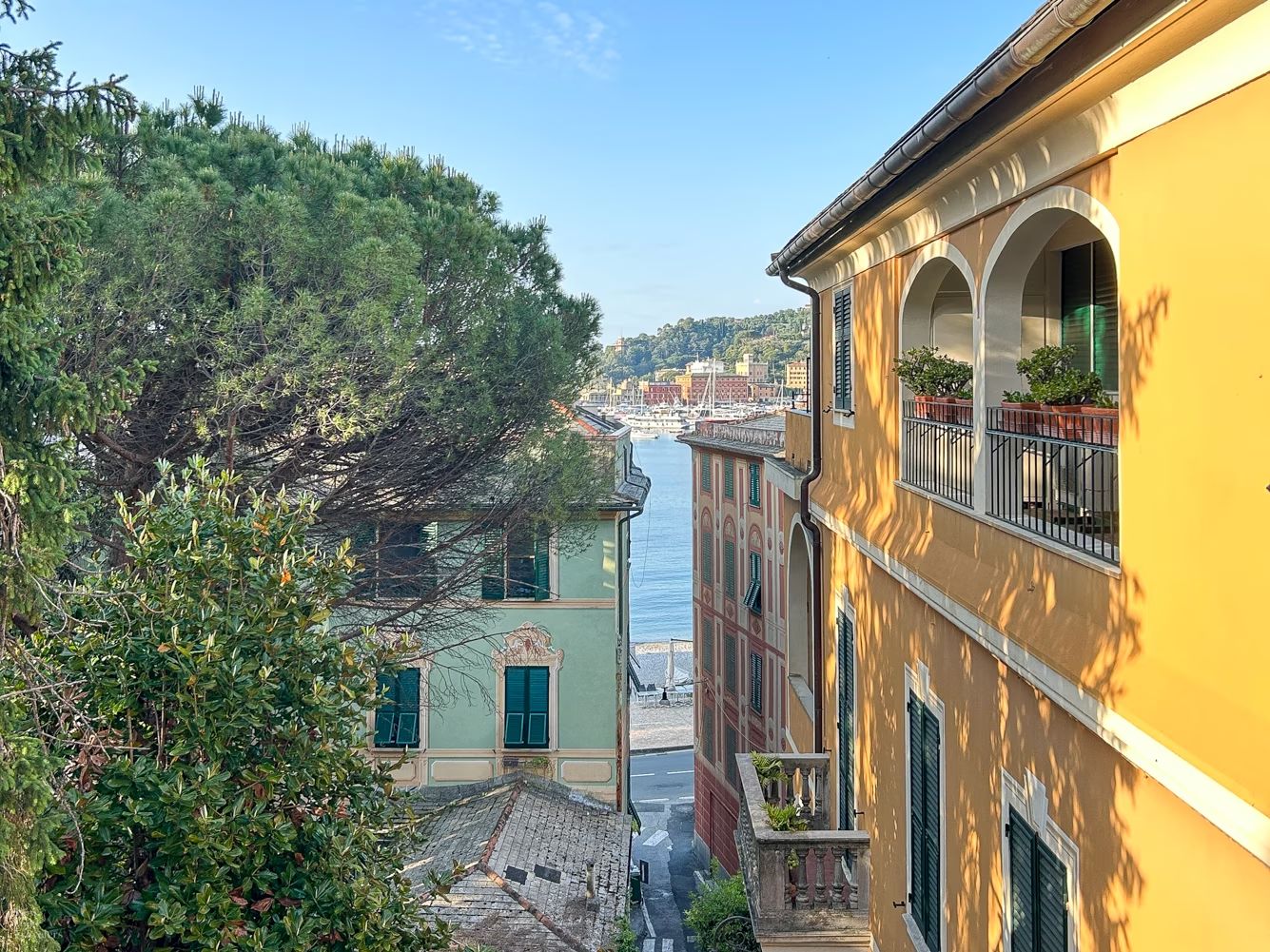
Santa Margherita Ligure perfectly captures the classic charm of the Italian Riviera while maintaining a relaxed, authentic seaside character. Situated in a protected bay along the dramatic Portofino peninsula, this coastal town provides a tranquil alternative to heavily touristed destinations nearby. The waterfront promenade is lined with grand palm trees and elegant liberty-style hotels, facing a harbor where traditional fishing boats sit alongside modern yachts. The local culinary scene centers squarely on Liguria’s maritime bounty, preparing the morning catch with simple methods designed to highlight absolute freshness. Restaurant menus feature local red shrimp and octopus alongside regional classics like trofie al pesto tossed with local green beans and potatoes. The town’s distinct microclimate keeps it pleasant year-round, encouraging an unhurried travel rhythm defined by morning cappuccini facing the water, quiet afternoon boat trips across the gulf, and evening aperitivi spent watching the sunset paint the seaside buildings in deep golden light.

.svg)