


Tuscany
A classic landscape of rolling hills and olive groves, celebrated for its robust red wines and rustic heritage.
A classic landscape of rolling hills and olive groves, celebrated for its robust red wines and rustic heritage.
Tuscany stretches across central Italy, rising from the Tyrrhenian coast to the Apennine Mountains. The geography is dictated by the Arno River, a historic shipping corridor that flows through Florence and Pisa before spilling into the Mediterranean Sea. Navigating Tuscany by train is remarkably efficient along the northern plain, where a flat, local rail line links Florence, Lucca, and Pisa in a straight loop. However, this ease of access lends to tour groups that city hop. Crowds surge into the central piazzas by mid-morning and vanish by dusk, meaning a day trip will only experience historic centers at their loudest and most artificial moments. Visiting wine country in the southern part of Tuscany to reach towns like Montepulciano and Montalcino needs a rental car or private transportation.
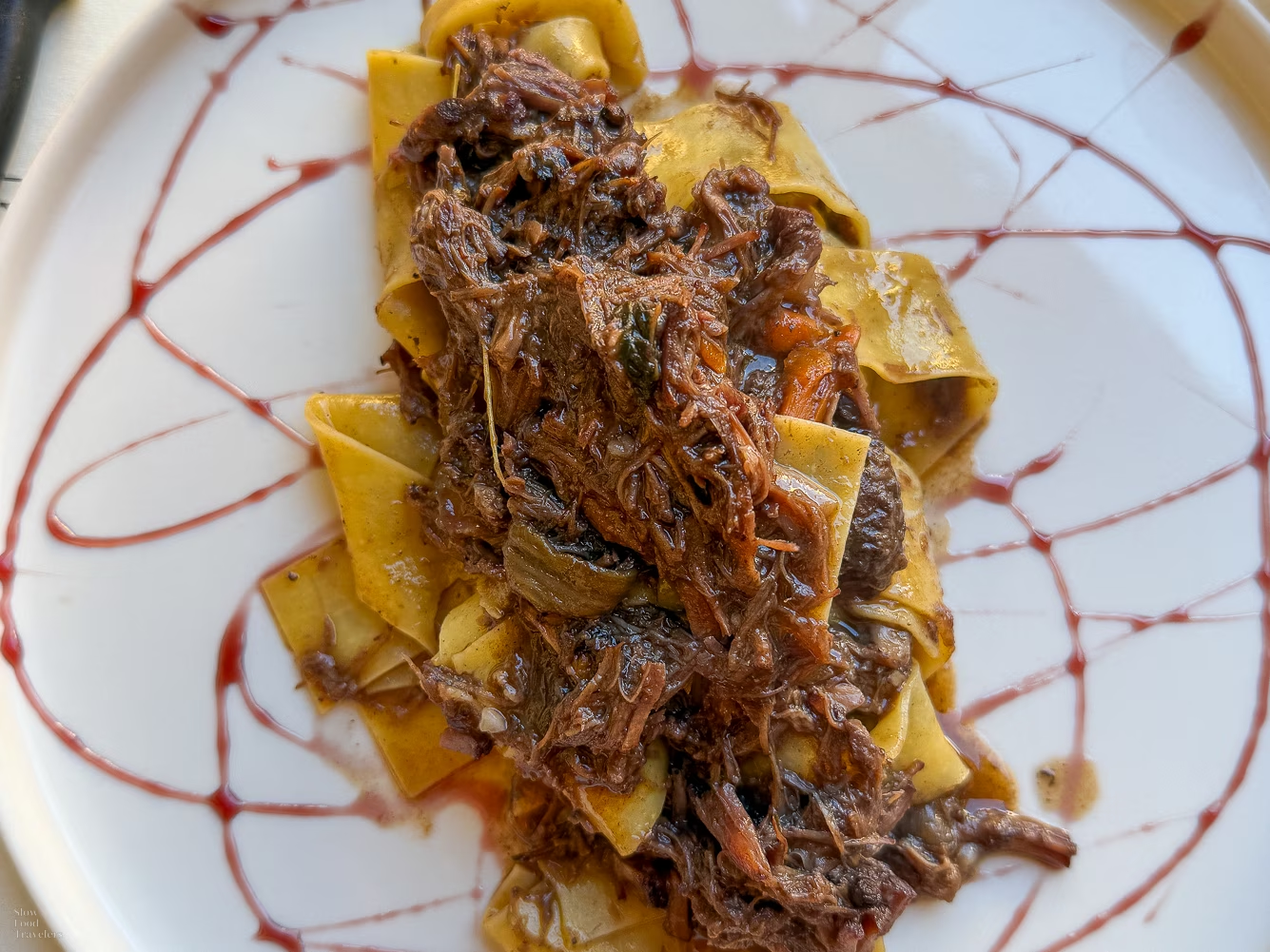
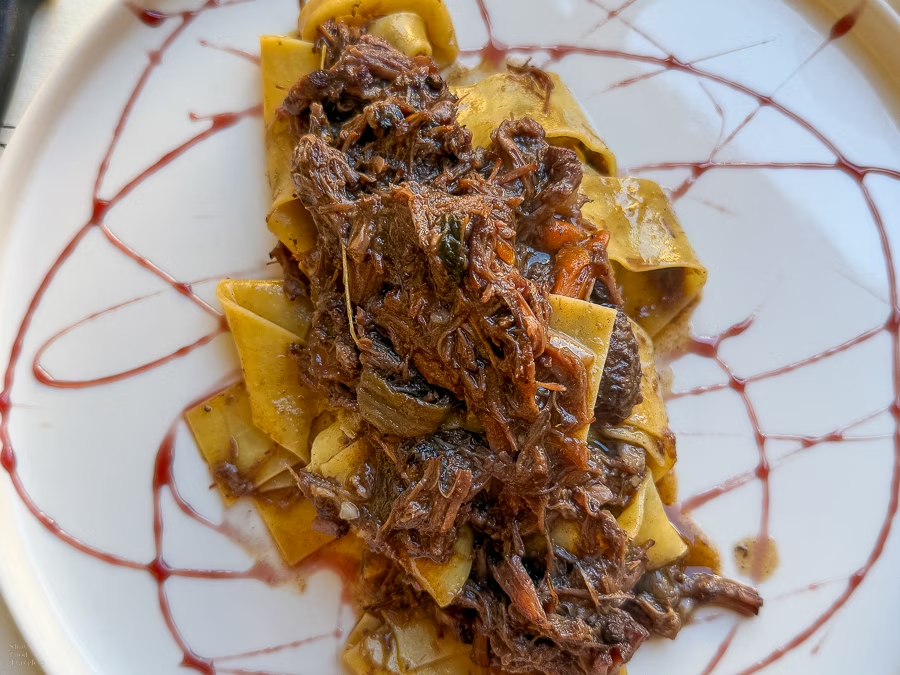
Tuscany’s culinary identity is cucina povera (peasant cooking), a philosophy that elevates basic, local ingredients without any complex sauces or heavy northern creams. Because historic regional rivalries and salt taxes shaped local baking, classic Tuscan bread is unsalted. The bread is a perfect complement to hearty rustic dishes like ribollita vegetable stew and pappa al pomodoro. The local tables celebrate robust, unpretentious flavors, highlighting cold-pressed extra virgin olive oil, wild game, cannellini beans, and thick T-bone steaks from the native Chianina cattle. These simple flavors rely on seasonal agricultural quality, and cannot be hurried or replicated by tourist-facing kitchens.

Getting There
Best Airports
Florence Airport (FLR), Pisa International Airport (PSA)
Tuscany is served by two major airports, each offering convenient access to different parts of the region. Florence Airport (FLR) is the best choice for travelers visiting Florence and central Tuscany, while Pisa International Airport (PSA) is ideal for exploring Pisa, Lucca, the Tuscan coast, and northwestern Tuscany. Both airports are well connected to Italy's rail network, making it easy to continue your journey by train.
Looking for Airfare?
→ Compare Airlines and Flight Prices.
Estimated Transit Times (Airport → City)
FLR → Firenze Santa Maria Novella: ~20–25 minutes via the T2 Tram.
FLR → Lucca: ~1 hour 15 minutes (car) / ~1 hour 30–2 hours (train)
FLR → Pisa: ~1 hour 15 minutes (car) / ~1 hour–1 hour 15 minutes (train)
PSA → Pisa Centrale: ~5 minutes via the PisaMover.
PSA → Lucca: ~30–40 minutes (car) / ~45–60 minutes (train)
PSA → Florence: ~1 hour 15 minutes (car) / ~1 hour–1 hour 15 minutes (train)
Looking to rent a car?
→ Compare rates and reserve one here.
Train Schedules & Fares
→ Compare prices and secure tickets here.
Need transportation to/from the airport or train station?
→ Schedule a Private Transfer.
Quick Tip
Tuscany's major cities are well connected by train, making it easy to travel between Florence, Pisa, and Lucca without renting a car. However, if your itinerary includes the Chianti countryside, Val d'Orcia, or Tuscany's smaller hill towns, a rental car is highly recommended. Many of the region's wineries, agriturismos, medieval villages, and scenic backroads are best experienced by car, giving you the freedom to explore beyond the rail network at your own pace.
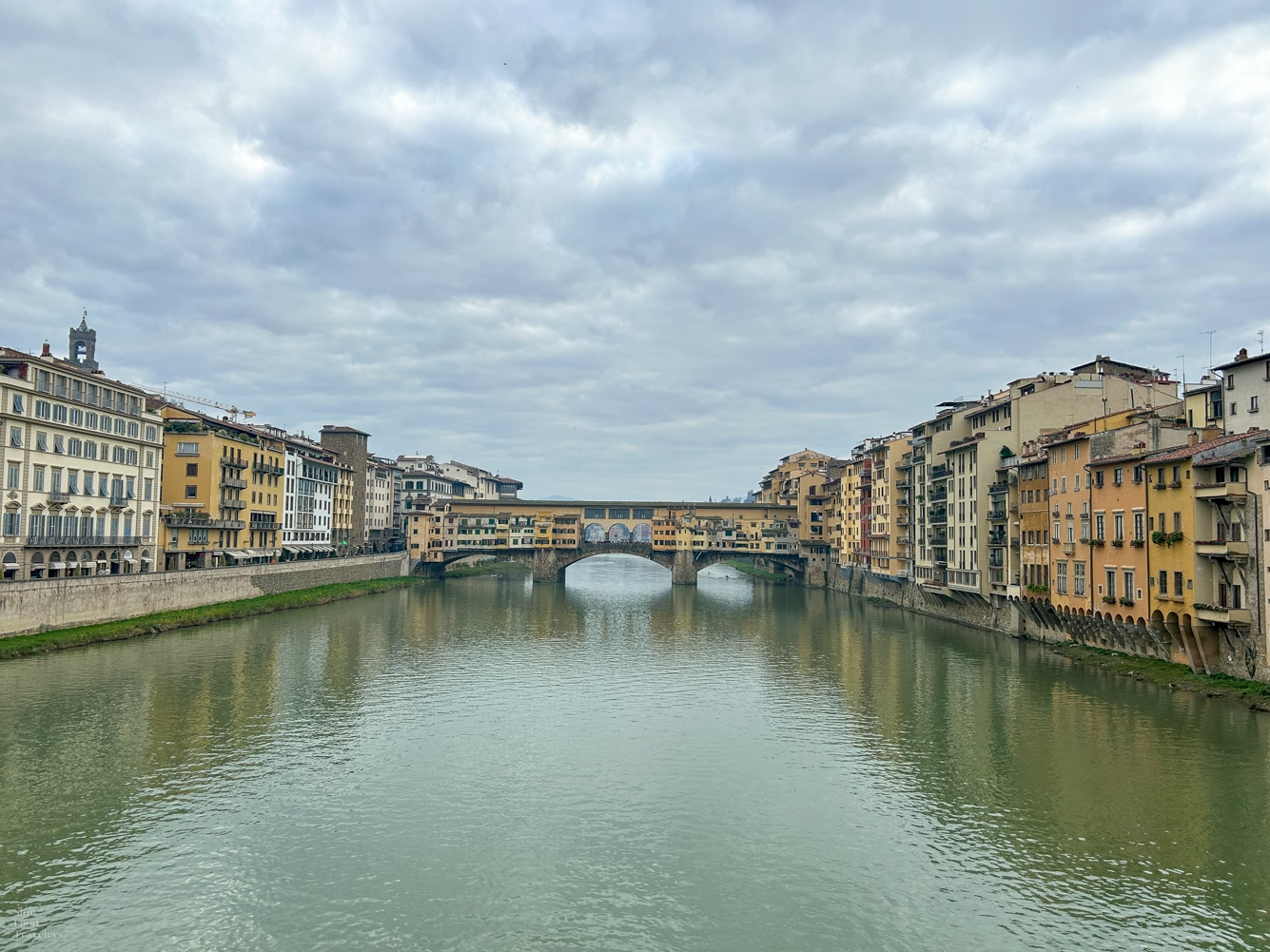
Florence is the artistic capital of Tuscany, positioned in a valley along the banks of the Arno River. The birthplace of the Renaissance, Florence presents a landscape dominated by Brunelleschi's massive red-tiled Duomo, medieval palaces, and world-class art collections. Florence is a global tourist magnet. The vast majority of visitors treat the historic core as a high-velocity checklist, rushing between the Uffizi Gallery and the Accademia before moving on to Rome or Venice. Looking past the heavy tour groups reveals a deeply rooted, traditional food culture anchored by independent covered markets like San Lorenzo and Sant'Ambrogio. The local kitchens remain fiercely dedicated to unpretentious cucina povera classics, ranging from street-food staples like lampredotto tripe sandwiches to rich wild boar ragù and thick bistecca alla fiorentina. It is a city that heavily rewards a deliberate, extended stay, allowing travelers to explore quiet artisan workshops in the Oltrarno neighborhood, visit historic institutions like the Scuola del Cuoio (leather school), and experience authentic Florentine life after the day-trippers depart.
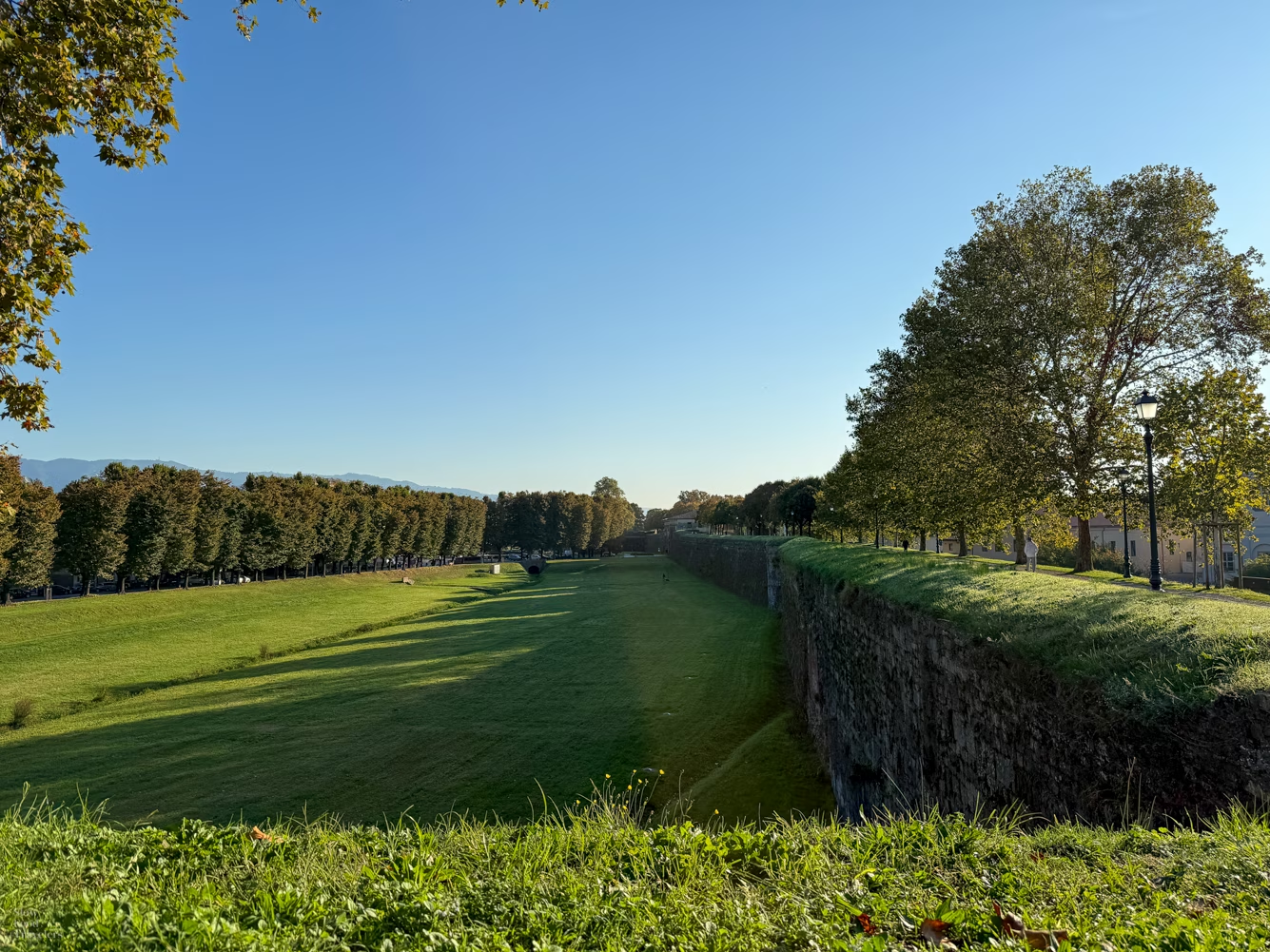
Lucca is in a fertile valley in northwestern Tuscany, and remains one of Italy’s most perfectly preserved historical city centers. The city is entirely encircled by its original Renaissance defensive walls, which have been transformed into a wide, tree-lined elevated park where locals walk and ride bicycles daily. While the city draws a steady stream of day-trippers and completely transforms during massive annual events like the Lucca Summer Festival and Lucca Comics, establishing an overnight base reveals a deeply authentic residential commune. The local culinary scene highlights unique regional variations of classic Tuscan dining, featuring buccellato sweet raisin bread and tordelli lucchesi, a distinct meat-stuffed pasta tossed in a rich ragù. Navigating the flat, Roman-grid streets away from the main tourist hubs reveals independent neighborhood workshops and traditional osterias serving the local community. Staying past dark offers a peaceful look at Tuscan provincial life that a hurried afternoon excursion completely misses.
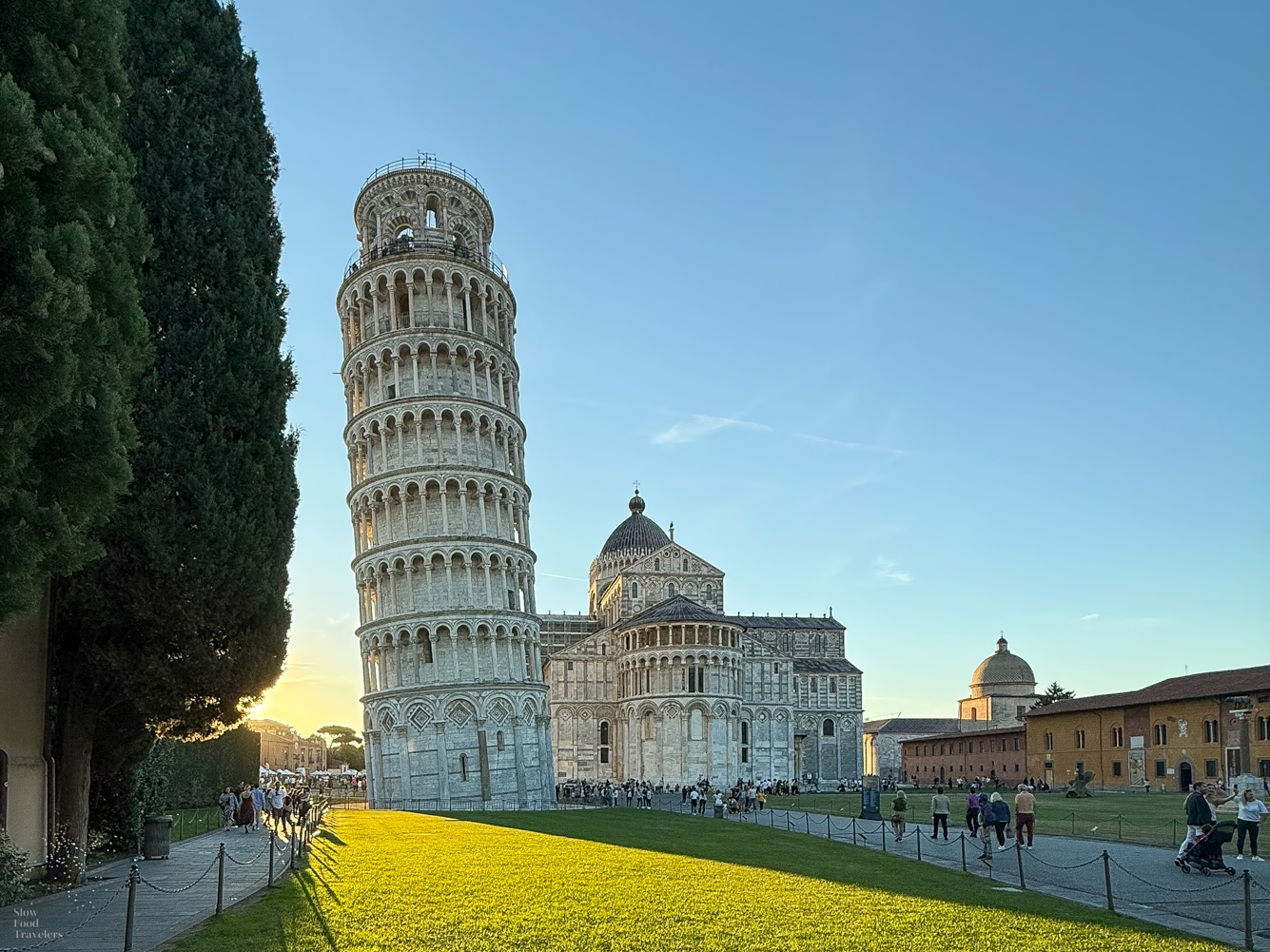
Pisa sits near the western edge of Tuscany, located just a few kilometers from the Ligurian Sea. While globally famous for the architectural anomaly of its leaning tower on the Campo dei Miracoli, the vast majority of international visitors treat the town as a brief, transactional photo stop. Most tourists never leave a single corridor; they arrive at Piazza Cavallotti, walk down Via Santa Maria to the Piazza del Duomo to look at The Leaning Tower, and exit the city immediately. Moving just one block past the dense souvenir stalls reveals a prestigious university town filled with grand gothic churches, quiet river embankments, and a vibrant local population. The culinary landscape here trades away the land-locked meat focus of eastern Tuscany for coastal influences, highlighting fresh seafood stews and traditional cecina, a crisp chickpea flatbread. Exploring the quiet residential neighborhoods south of the Arno River offers an unfiltered, affordable look at daily Tuscan life, heavily rewarding travelers who look beyond the monuments.

.svg)